
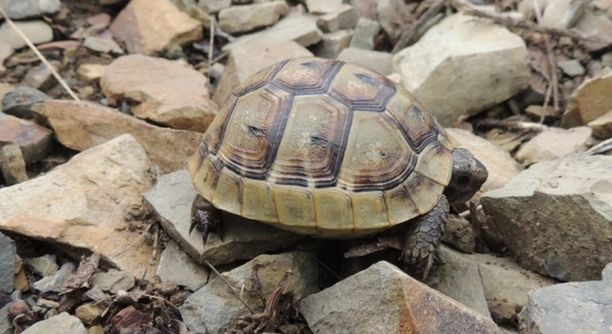
Ensuring your Russian tortoise gets enough sunlight is essential for its health and well-being. Sunlight plays a key role in regulating its metabolism and helping it absorb vital nutrients. Without proper exposure, your tortoise can experience various issues.
A lack of sunlight can lead to serious health problems for your Russian tortoise. Insufficient exposure may cause vitamin D3 deficiency, weak bones, or a weakened immune system. Ensuring your tortoise has access to proper lighting is crucial for its overall well-being.
Understanding how sunlight impacts your tortoise’s health can help you make informed decisions about its care and environment.
Lack of Sunlight Can Lead to Health Problems
When your Russian tortoise does not get enough sunlight, its health can suffer. Sunlight helps regulate essential functions like metabolism and digestion. Without adequate UVB exposure, your tortoise may develop metabolic bone disease (MBD), causing weakness in its bones and shells. This condition can worsen over time, leading to deformities and difficulty moving. Additionally, a lack of sunlight can affect its immune system, making it more vulnerable to infections.
It’s vital to monitor how much natural sunlight your tortoise receives. If it spends too much time in low-light conditions, consider using UVB lighting to supplement natural sunlight. Inconsistent exposure can lead to long-term health problems that are difficult to reverse.
Creating a proper habitat for your tortoise is essential. Providing both sunlight and artificial UVB light will ensure it remains active and healthy.
Behavioral Signs of Sunlight Deficiency
If your tortoise seems lethargic or hides more than usual, it might be struggling with a lack of sunlight. This behavior often signals an underlying issue with its health.
Sunlight is critical for tortoises to maintain their energy levels and activity. If they don’t receive enough, they may appear tired, sluggish, or uninterested in food. Such signs are warning indicators that their environment needs attention. The sooner you address this, the healthier your tortoise will remain.
Poor Shell Condition
A tortoise’s shell is highly sensitive to environmental conditions. When it doesn’t receive enough sunlight, its shell may become soft or weak. This can lead to deformities and, in extreme cases, infections. A healthy shell requires UVB exposure, which helps in calcium absorption and bone strength.
The lack of UVB light can affect the development of the shell, leading to a soft or misshapen appearance. This condition can worsen if the tortoise is not provided proper lighting or sunlight. Over time, a weak shell will make it harder for the tortoise to move and protect itself. Regular exposure to natural sunlight or UVB light can help prevent this.
Maintaining a proper lighting setup is essential for keeping your tortoise’s shell in top condition. Without enough sunlight, the shell will become fragile, and your tortoise may develop permanent damage. Be sure to monitor their light exposure regularly to avoid long-term issues.
Trouble with Digestion
Sunlight plays a significant role in digestion by stimulating your tortoise’s metabolism. When it doesn’t get enough light, its digestive system can slow down, leading to a lack of appetite and difficulty processing food. This can result in weight loss or malnutrition.
The lack of sunlight affects the natural processes in a tortoise’s body, particularly its ability to digest food properly. This slow metabolism can make it harder for your tortoise to maintain a healthy weight. If the tortoise is not eating enough, it can lead to further health complications. A proper light schedule will help keep the digestive system functioning well, allowing your tortoise to remain active and healthy.
For optimal digestion, make sure your tortoise has access to adequate sunlight, either naturally or through UVB lamps.
Increased Stress Levels
When your tortoise doesn’t get enough sunlight, it may become stressed. Stress can cause behavioral changes, such as aggression or constant hiding. Sunlight helps regulate a tortoise’s natural rhythms, so a lack of exposure can affect its overall mood and behavior.
Without sunlight, the tortoise might also struggle to adjust to its environment, leading to anxiety. Stress is harmful in the long run and can contribute to weakened immunity and other health issues. Ensuring proper light levels will help your tortoise feel more secure and calm, reducing stress and promoting better health.
Weight Loss
If your tortoise isn’t getting enough sunlight, you may notice it losing weight. Insufficient UVB exposure can slow down metabolism, affecting digestion and nutrient absorption. Without sunlight, it may not be able to process its food properly, leading to weight loss.
Proper sunlight or UVB lighting ensures that your tortoise can break down food efficiently, helping it maintain a healthy weight. Make sure its environment provides adequate lighting to prevent unnecessary weight loss and keep your tortoise in optimal health.
Lack of Activity
A tortoise with limited sunlight may become less active. Sunlight is essential for stimulating movement and exploration, so when it’s deprived of it, the tortoise may seem lethargic. This lack of activity can lead to obesity and poor overall health.
Make sure to provide a habitat with enough light to encourage movement. Regular light exposure can boost your tortoise’s energy levels, keeping it active and healthy.
FAQ
How much sunlight does my Russian tortoise need each day?
Your Russian tortoise needs at least 12 hours of light exposure daily. This can be a mix of natural sunlight and artificial UVB lighting. It’s crucial to mimic a natural light cycle to keep your tortoise’s circadian rhythm in balance. If using artificial light, ensure it’s placed close enough to your tortoise to be effective but not so close that it causes harm.
Can my tortoise get enough sunlight indoors?
Yes, but it depends on how much natural light you can provide. A sunny window can help, but sunlight intensity decreases through glass. If you’re relying on artificial lighting, use a UVB lamp designed specifically for reptiles. This provides the necessary light your tortoise needs without exposure to direct sunlight.
What happens if my tortoise doesn’t get enough sunlight?
Without sufficient sunlight, your tortoise may develop a variety of health issues. These include metabolic bone disease, soft or deformed shells, weakened immune systems, and digestive problems. A lack of UVB light also leads to lethargy and poor appetite. Ensuring proper sunlight exposure can prevent these issues.
Can I use a regular light bulb instead of a UVB lamp?
No, regular light bulbs don’t emit the specific UVB rays necessary for your tortoise’s health. UVB lamps are specially designed to provide the needed spectrum for calcium absorption, bone health, and overall well-being. You can find UVB lamps at pet stores or online, specifically for reptiles.
How do I know if my tortoise is not getting enough sunlight?
Signs of insufficient sunlight include lethargy, poor appetite, shell deformities, and weight loss. If your tortoise hides more than usual or shows signs of stress, it might not be receiving enough light. Regular observation is key, and if any of these signs appear, adjusting your tortoise’s light exposure is essential.
How long should my tortoise be in direct sunlight?
Your tortoise should be allowed outside for about 30 minutes to an hour of direct sunlight per day, depending on the weather. Be cautious of extreme temperatures or intense sun exposure, as too much can be harmful. Ensure your tortoise has access to shaded areas to regulate its body temperature.
Can UVB light replace sunlight entirely?
UVB light can effectively replace natural sunlight for your tortoise if you can’t provide adequate natural light. Ensure the UVB lamp is on for 12 hours a day and is positioned close to the tortoise’s habitat. However, occasional outdoor time is still beneficial for your tortoise to experience natural daylight.
What type of UVB light is best for my tortoise?
For Russian tortoises, a UVB light with a low to medium output (around 5-10% UVB) is ideal. It should be placed about 6 to 12 inches away from your tortoise, depending on the type of bulb used. Make sure to replace the UVB bulb every 6-12 months, as it loses its effectiveness over time.
Can I leave my tortoise outside for sunlight if I live in a hot climate?
If you live in a hot climate, you can let your tortoise enjoy natural sunlight but with caution. The temperature should be monitored carefully, as extreme heat can cause overheating or dehydration. Always provide access to shaded areas and fresh water to help your tortoise regulate its body temperature.
Do I need to supplement my tortoise’s diet with calcium if it’s getting enough sunlight?
While adequate sunlight helps your tortoise absorb calcium naturally, you may still need to supplement its diet with calcium powder, especially if it’s not getting enough exposure to sunlight. Consult with your vet to determine the best approach to supplementation, as too much calcium can also cause problems.
Can my tortoise stay inside during the winter?
Yes, your tortoise can stay indoors during colder months, but it requires UVB lighting for 12 hours a day. You may also need to adjust its enclosure to provide heat and humidity levels similar to its natural environment. Proper lighting and temperature regulation are essential to maintaining its health indoors during winter.
Final Thoughts
Proper sunlight is essential for the overall health and well-being of your Russian tortoise. Without enough light, they can suffer from various health issues like shell deformities, metabolic bone disease, and digestive problems. Sunlight, or adequate UVB lighting, helps with calcium absorption, bone health, and supports their immune system. Regular exposure to natural or artificial UVB light ensures your tortoise remains active and healthy. Keeping your tortoise in a well-lit environment should be a priority to prevent these potential issues.
While it’s possible to provide sufficient lighting indoors, natural sunlight is always the best option when available. If you can, place your tortoise outside for short periods during the day to let it absorb the natural UVB rays. However, ensure you monitor the weather conditions and provide access to shaded areas to prevent overheating. If outdoor time isn’t an option, using a good UVB lamp can be an effective substitute. Make sure the lamp mimics the natural sunlight cycle, and place it close enough for your tortoise to receive the proper light.
If your tortoise shows any signs of stress, weight loss, or changes in behavior, it could be a result of insufficient sunlight. It’s important to take these signs seriously and adjust the lighting conditions immediately. By providing a well-lit environment, you are helping your tortoise live a longer and healthier life. Regular check-ups with a veterinarian will also ensure that your tortoise is in good health. A balanced approach to light, diet, and habitat will keep your tortoise happy and thriving for years to come.

Hello,
If you enjoy the content that we create, please consider saying a "Thank You!" by leaving a tip.
Every little bit helps us continue crafting quality advice that supports the health, happiness, and well-being of pets around the world, for pets of all shapes, sizes, and species.
We really appreciate the kindness and support that you show us!