
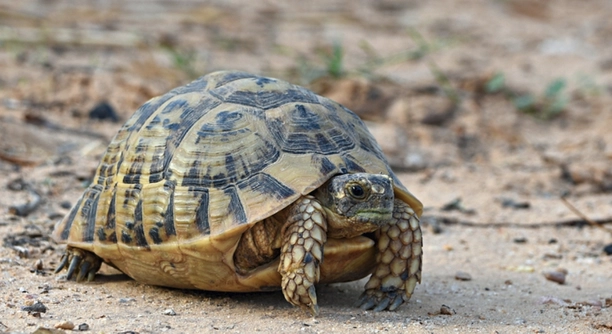
Taking your Russian tortoise outside for playtime can be a fun and enriching experience for both you and your pet. However, ensuring its safety is essential for a worry-free time in the great outdoors.
To keep a Russian tortoise safe during outdoor playtime, it’s important to provide a secure environment. Ensure the area is free of predators, hazards, and toxic plants. Additionally, monitor the temperature and provide enough shade to prevent overheating.
Proper precautions will help your tortoise thrive outside. Learning how to create a safe environment is key to their well-being.
Choose a Safe and Secure Play Area
When selecting an outdoor space for your Russian tortoise, make sure it’s completely secure. The area should be enclosed, preventing your tortoise from wandering off. A simple fence or barrier can work, but it must be tall enough to stop them from climbing over. Additionally, check for gaps under the fence or structure where your tortoise might slip through.
A solid fence, at least 6-8 inches tall, is recommended for preventing escape. You should also inspect the ground for any openings that could be used as an exit. If your tortoise gets too close to the edge of the barrier, they might get curious enough to escape.
It’s best to choose a space that is free of wild animals, as they can pose a danger to your tortoise. Be mindful of any animals that may come into the area, especially cats and dogs. If there are any other animals nearby, they could cause stress or harm to your pet. Ensure that the space is calm, quiet, and private for the safest playtime.
Monitor the Temperature and Weather
Keep an eye on the weather and temperature while your tortoise is outside.
Russian tortoises prefer warm temperatures and need to stay within a comfortable range. Make sure the weather isn’t too hot or cold for them to handle. Temperatures outside the ideal range can lead to stress or health issues.
Tortoises thrive in temperatures between 70-85°F. If it’s too hot, your tortoise might overheat, and if it’s too cold, they could become lethargic or even sick. Always check the forecast before letting your tortoise outside. A shaded area or a cool spot can help them escape the heat. Additionally, avoid harsh winds or rain, as they can make your pet uncomfortable and possibly sick. Keeping track of the weather ensures your tortoise stays happy and healthy outdoors.
Remove Any Hazards from the Play Area
Before letting your tortoise roam free, make sure the area is clear of any dangerous items. Things like sharp objects, broken glass, or small tools can easily harm them if they get too close. Always inspect the ground thoroughly to ensure it’s safe.
Aside from sharp objects, be mindful of chemicals, such as fertilizers or pesticides, which can be toxic to your tortoise. If you’ve recently used anything in the garden, wait until it’s safe for your pet to explore. Plants should also be checked carefully. Certain plants are toxic to tortoises, so knowing which ones are safe and which ones aren’t is essential.
Ensure there are no small holes or objects that your tortoise might try to eat, as they might swallow something harmful. Even natural debris like sticks or rocks can cause injuries. Once everything is clear, your tortoise will have a safe environment to explore.
Supervise Playtime
Never leave your Russian tortoise alone outside. Supervision is key to ensuring your pet stays out of trouble. While they are usually calm and slow-moving, they can still get into potentially dangerous situations if not watched carefully.
Even if the area seems safe, your tortoise can become curious and wander into places where it shouldn’t. There’s always a chance they could escape, eat something harmful, or get too hot under the sun. Staying nearby allows you to monitor their actions and respond quickly if needed.
Keeping an eye on them also helps you notice any signs of distress or discomfort. If they seem too hot, too cold, or stressed, you can intervene immediately. Watching over your pet will help keep them safe and allow them to enjoy their playtime to the fullest.
Provide a Shaded Area
Russian tortoises need shade to avoid overheating, especially on sunny days. Set up a shaded spot where they can retreat if they get too hot. Use a small shelter or place a large rock or plant to create natural shade.
Shade gives your tortoise a break from direct sunlight, which can cause heat stress or dehydration. Make sure the shaded area is accessible and large enough for them to rest comfortably. A shaded spot will keep them cool and allow them to take breaks during their playtime. It’s important for their overall well-being.
Keep Fresh Water Available
Always provide fresh water for your tortoise while it’s outside. Dehydration can happen quickly, especially on warmer days.
A shallow dish works best, as it’s easier for them to drink from without the risk of falling in. Ensure it’s in a safe area, where it won’t be tipped over or contaminated. You can place a small rock in the dish to prevent them from accidentally tipping it over. Regularly replace the water to ensure it remains clean, so your tortoise has constant access to hydration during playtime.
Be Mindful of Predators
Keep a lookout for any predators around the area, as they pose a serious threat to your tortoise.
Common predators include dogs, cats, and birds of prey, which might harm or even try to capture your pet. Stay alert and intervene if you notice any dangerous animals nearby. This will prevent unnecessary stress and ensure your tortoise stays safe while outside.
FAQ
How long can a Russian tortoise stay outside during playtime?
Russian tortoises can spend anywhere from 30 minutes to a few hours outside, depending on the temperature and conditions. On warmer days, shorter playtimes of 30-60 minutes are best to prevent overheating. When the temperature is cooler, they can stay outside longer, but make sure the ground isn’t too cold. Always monitor them closely and check the weather forecast to avoid any sudden temperature changes that could harm your tortoise.
Should I let my tortoise roam free in the yard?
It’s not a good idea to let your tortoise roam completely free without supervision. While they’re generally slow and docile, there are still many potential dangers like predators, sharp objects, or even toxic plants. Instead, create a secure, enclosed area where they can explore safely under your watch. Always keep an eye on them to ensure they aren’t getting into trouble.
What if my tortoise seems tired or stressed outside?
If your tortoise seems tired or stressed, it’s important to bring them back to a comfortable environment immediately. Check for signs like heavy breathing, lethargy, or withdrawal. This could indicate they’re too hot, cold, or stressed by their surroundings. Offer shade and fresh water, and allow them time to rest. If symptoms persist, it’s best to take them inside and observe their condition.
Can my Russian tortoise be outside in the rain?
It’s not recommended to keep your Russian tortoise outside in the rain for extended periods. Wet conditions can make them cold and uncomfortable, and wet soil can potentially cause respiratory issues. Additionally, if there are any chemicals or contaminants in the rainwater, they might pose a risk. Always bring your tortoise inside if it starts to rain.
Do I need to worry about insects around my tortoise?
Insects generally won’t harm your tortoise, but there are a few things to keep in mind. Some insects, like ants, can be a nuisance if they start to swarm. Additionally, some insects may bite or irritate your tortoise. Ensure the area you’re using is free from large colonies of ants or aggressive bugs. If your tortoise is bothered, it’s best to move them to a different spot.
What should I do if my tortoise escapes?
If your tortoise escapes, stay calm and start searching the area immediately. Check under bushes, trees, and in any small spaces where they could hide. They tend to stay close to the ground and may not travel far, so look carefully. To prevent future escapes, reinforce the fencing and double-check for any gaps they might slip through.
Is it safe to leave my tortoise outside overnight?
No, it’s not safe to leave your tortoise outside overnight. Russian tortoises need to be brought inside when the temperature drops. Cold temperatures, especially overnight, can lead to health issues, like respiratory infections or hibernation problems. Additionally, leaving them outside overnight exposes them to predators and the risk of getting lost. Always return your tortoise indoors when playtime is over.
Can I let my tortoise interact with other animals?
It’s not a good idea to let your Russian tortoise interact with other animals, especially pets like dogs or cats. They may view your tortoise as prey or become curious in ways that could harm them. Other animals, even small ones, could stress your tortoise out or cause injury. It’s safer to keep them separated.
How do I keep my tortoise safe from predators?
To keep your tortoise safe from predators, ensure that the area is securely enclosed. Use a sturdy fence that’s tall enough to prevent predators from jumping over, and check for any gaps that might let smaller animals in. Always supervise your tortoise closely, especially if you’re in an area with known predators. A safe play environment will minimize the risks.
What type of shelter should I provide for my tortoise outside?
A simple shelter, such as a small wooden box, can give your tortoise a safe space to retreat to if it feels too hot or stressed. The shelter should be waterproof and provide enough room for your tortoise to move around inside comfortably. Adding a little bedding, like hay or straw, can make it feel cozy and safe for them.
Final Thoughts
Keeping your Russian tortoise safe during outdoor playtime is all about preparing the right environment and staying vigilant. Ensuring that the area is secure from predators, free of hazards, and comfortable for your tortoise will allow them to enjoy their time outside while staying safe. A little bit of effort goes a long way in providing a fun and healthy experience for your pet.
Supervision is one of the most important factors when it comes to outdoor play. While Russian tortoises are generally slow and calm, they can still find trouble if left alone. Whether it’s escaping the play area, eating something toxic, or getting overheated, staying nearby to monitor their well-being is key. Always be ready to step in if you see any signs of distress or discomfort.
At the end of the day, your tortoise’s safety and happiness should always be the top priority. By following simple precautions like providing shade, fresh water, and a secure environment, you’re setting your tortoise up for safe and enjoyable outdoor play. The more you learn about your tortoise’s needs and how to meet them, the better their time outside will be. The outdoors can be a fun and enriching place for your Russian tortoise, as long as you stay prepared and watchful.

Hello,
If you enjoy the content that we create, please consider saying a "Thank You!" by leaving a tip.
Every little bit helps us continue crafting quality advice that supports the health, happiness, and well-being of pets around the world, for pets of all shapes, sizes, and species.
We really appreciate the kindness and support that you show us!