
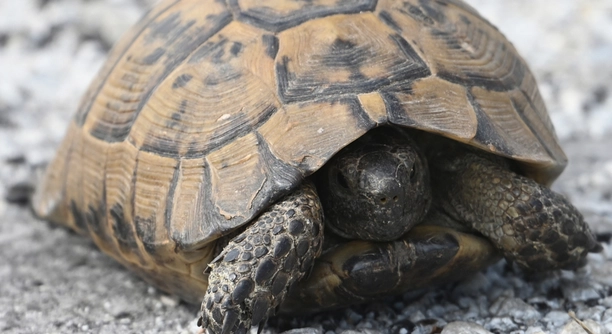
Do you ever find yourself wondering if all fruits are safe for your Russian tortoise? While some may seem harmless, certain fruits can actually be harmful to their health and well-being, leading to potential digestive issues and other complications.
Certain fruits should not be fed to Russian tortoises due to their high sugar and acidity levels. These can lead to digestive upset, dehydration, and long-term health problems, such as kidney issues and metabolic disorders, affecting their overall well-being.
Some fruits might seem like a tasty treat, but they could cause more harm than good. Understanding which fruits to avoid will help you keep your Russian tortoise happy and healthy for years to come.
High Sugar Content Can Harm Their Health
Too much sugar is not good for Russian tortoises. Fruits like bananas, grapes, and mangoes contain high amounts of sugar, which can lead to digestive issues and obesity. Tortoises are not designed to process sugary foods efficiently, and their diet should primarily consist of fibrous greens. When they consume sugary fruits, it can cause an imbalance in their gut bacteria, leading to diarrhea and discomfort. Over time, frequent consumption of high-sugar fruits can contribute to more serious health issues, including metabolic bone disease. Limiting sugary fruits will help keep your tortoise in good shape.
A small piece of fruit occasionally may not cause harm, but feeding it regularly can be risky. Their bodies thrive on a diet low in sugar and high in fiber. It is best to focus on feeding them leafy greens and other safe vegetables instead of fruit.
Fruits might seem like a tasty treat, but their high sugar content can negatively impact your tortoise’s well-being. Too much sugar can disrupt their digestive system and lead to long-term health problems. Being mindful of what you feed them is essential for keeping them active and healthy.
Acidic Fruits Can Cause Digestive Issues
Fruits like oranges, pineapples, and tomatoes have high acidity levels that can upset your tortoise’s stomach. Their digestive systems are not built to handle acidic foods, and consuming them can lead to irritation and discomfort.
Acidic fruits can cause issues such as mouth sores, stomach irritation, and diarrhea. Since Russian tortoises have a slow metabolism, any disruption in their digestion can take longer to resolve compared to other animals. Even a small amount of acidic fruit can create an imbalance, making it harder for them to properly process their food. This can also lead to dehydration, as their bodies work harder to flush out excess acids. Long-term exposure to acidic foods can weaken their digestive system, making them more susceptible to other health complications.
To keep your tortoise comfortable and healthy, it is best to avoid feeding them acidic fruits. Instead, offer a diet filled with dark leafy greens, flowers, and other tortoise-safe vegetables. Making careful choices will ensure they stay in good health for years to come.
Some Fruits Contain Too Much Water
Fruits like watermelon and cucumber have high water content, which can cause digestive problems for Russian tortoises. Their bodies are adapted to dry environments, so consuming too much water-heavy food can lead to diarrhea and dehydration issues. This can make it harder for them to absorb essential nutrients.
Too much water in their diet can upset their digestive balance. While hydration is important, Russian tortoises get most of their water from their leafy greens. Feeding them water-rich fruits regularly can cause their stool to become too soft, leading to dehydration over time. A diet that is too watery can also result in bloating and discomfort. Instead of high-water fruits, focus on providing fresh greens and occasional safe vegetables that offer proper hydration without disrupting their digestive health. Keeping their diet balanced is key to avoiding unnecessary health problems.
A tortoise’s digestive system works best with fiber-rich foods, not excessive moisture. If they consume too many water-heavy fruits, it may weaken their digestive process, leading to imbalances. Soft stools and dehydration are signs that their diet needs adjusting. Offering them the right foods will keep their system running smoothly and help them maintain optimal health.
Some Fruits Contain Harmful Seeds
Certain fruits contain seeds that can be dangerous for Russian tortoises. Fruits like apples, pears, and cherries have seeds with toxic compounds such as cyanide. Even small amounts can be harmful, making it important to remove seeds before offering any fruit. Avoiding seeded fruits altogether is the safest option.
Seeds can also be a choking hazard, especially for smaller tortoises. If swallowed, they can cause blockages in their digestive tract, leading to serious complications. Some seeds are difficult to digest, putting extra strain on their system. Since tortoises have slow digestion, any obstruction can take time to resolve and may require veterinary care. Even if the fruit itself is safe in moderation, the presence of seeds makes it a risky choice. Careful preparation and selection of food are necessary to prevent unnecessary health risks.
To keep your tortoise safe, avoid giving them fruits with seeds or pits. If you decide to offer small amounts of safe fruit, always remove the seeds beforehand. A diet free from harmful seeds will protect their digestive health and overall well-being.
Some Fruits Can Cause Nutrient Imbalances
Fruits like strawberries and peaches contain high phosphorus levels, which can interfere with calcium absorption. Russian tortoises need a diet rich in calcium to maintain strong bones and shell health. Too much phosphorus can lead to metabolic bone disease, a serious condition that weakens their skeletal structure.
An improper calcium-to-phosphorus ratio can cause long-term health problems. Since tortoises rely on calcium for shell growth and overall strength, feeding them phosphorus-rich fruits too often can put their health at risk. Sticking to calcium-rich greens ensures they receive the nutrients they need without disrupting their balance.
Some Fruits Have Pesticide Residue
Fruits purchased from stores may contain pesticide residue, which can be harmful to Russian tortoises. Their bodies are not designed to process chemicals, and exposure to pesticides can lead to digestive problems, lethargy, and toxicity. Even washing fruit thoroughly may not remove all harmful substances, making it safer to avoid fruit altogether.
Some Fruits Are Too Sticky
Sticky fruits like figs and dates can cling to a tortoise’s beak and make eating difficult. The residue can also attract bacteria, increasing the risk of infections. Choosing non-sticky foods keeps their beak clean and reduces the chance of health issues.
FAQ
Can Russian tortoises eat any fruit at all?
Russian tortoises can eat small amounts of certain fruits, but it should only be an occasional treat. Their diet should primarily consist of leafy greens, flowers, and fibrous vegetables. Fruits high in sugar, acidity, or water content should be avoided to prevent digestive issues and long-term health problems.
What fruits are safe for Russian tortoises in moderation?
If given in small amounts, fruits like berries, melons, and apples (without seeds) are safer options. These should only be fed sparingly, as their natural diet does not include fruit. Always remove seeds and pits before feeding, and wash fruits thoroughly to reduce pesticide exposure.
Why is too much sugar bad for Russian tortoises?
High sugar intake can disrupt a tortoise’s digestive system, leading to diarrhea, bloating, and obesity. Their bodies are not built to process sugar efficiently, and excessive sugar consumption can also increase the risk of metabolic bone disease by interfering with calcium absorption.
Can Russian tortoises eat citrus fruits?
Citrus fruits like oranges, lemons, and grapefruits should be completely avoided. They are too acidic for a tortoise’s digestive system and can cause irritation, stomach discomfort, and dehydration. Even a small amount of citrus can lead to digestive distress.
What happens if a Russian tortoise eats too much fruit?
Consuming too much fruit can result in diarrhea, weight gain, and digestive imbalances. Over time, excessive fruit consumption can lead to kidney problems, metabolic disorders, and shell deformities. A diet focused on high-fiber greens and vegetables is the best way to maintain their health.
Are dried fruits safe for Russian tortoises?
Dried fruits should be avoided because they contain concentrated sugars and are often sticky, which can cause beak and digestive issues. Sticky food can also attract bacteria, increasing the risk of infections. Fresh, non-sticky greens are a healthier choice.
Can Russian tortoises eat fruit peels?
Fruit peels, such as those from bananas or citrus fruits, are not recommended. They may contain pesticides, wax coatings, or be difficult to digest. Even organic peels can have naturally occurring compounds that are hard on a tortoise’s stomach.
How often can Russian tortoises eat fruit?
If offering fruit, it should be no more than once or twice a month in very small amounts. Their diet should be at least 90% fibrous greens and vegetables, with fruit being an occasional treat rather than a regular part of their meals.
Can Russian tortoises eat store-bought fruit?
Most store-bought fruits contain pesticide residues, which can be harmful to tortoises. If offering fruit, choose organic options and wash them thoroughly. Even then, fruit should only be fed occasionally to prevent potential health issues.
What should I feed my Russian tortoise instead of fruit?
Leafy greens like dandelion, collard greens, mustard greens, and turnip greens are excellent choices. Flowers like hibiscus and nasturtiums are also great for variety. Vegetables such as squash and bell peppers provide additional nutrients without the risks associated with fruit.
How can I tell if my tortoise is having digestive issues from fruit?
Signs of digestive issues include diarrhea, bloating, loss of appetite, and lethargy. If your tortoise shows any of these symptoms after eating fruit, remove fruit from their diet immediately and focus on fibrous greens. If symptoms persist, consult a reptile veterinarian.
Do baby Russian tortoises have different fruit restrictions?
Baby tortoises should not eat fruit at all. Their developing digestive systems are even more sensitive than adults, and their diet should be strictly high-fiber greens, calcium-rich foods, and occasional flowers. Feeding fruit to a young tortoise increases the risk of digestive issues and poor shell development.
Is it okay to give Russian tortoises fruit during hot weather for hydration?
While it may seem like a good idea, fruits with high water content can cause diarrhea and dehydration instead of providing proper hydration. Offering clean, fresh water in a shallow dish is a safer way to keep them hydrated in hot weather.
Can Russian tortoises eat fruit seeds or pits?
No, fruit seeds and pits can be toxic or cause blockages. Apple seeds, cherry pits, and pear seeds contain harmful compounds like cyanide. Even non-toxic seeds can be a choking hazard or difficult to digest, making it best to avoid them altogether.
Will a small amount of fruit harm my tortoise?
A tiny piece of safe fruit is unlikely to cause immediate harm, but regular feeding can lead to health problems over time. Even small amounts of sugary or acidic fruit can disrupt their digestive balance. Sticking to a diet of leafy greens and safe vegetables is the best approach.
Final Thoughts
Russian tortoises have specific dietary needs that do not include much fruit. While some fruits may seem harmless, many contain too much sugar, acidity, or water, which can cause digestive problems and long-term health issues. Some fruits also contain harmful seeds or pesticide residue, making them even riskier. Their bodies are designed to process fibrous greens, flowers, and vegetables, which provide the right balance of nutrients. Feeding too much fruit can lead to problems like diarrhea, dehydration, metabolic bone disease, and kidney issues. A diet high in fiber and low in sugar is the best way to keep them healthy.
If you want to offer fruit as a treat, it should be done rarely and in very small amounts. Safe options include berries, melons, and apples without seeds, but even these should be given sparingly. It is important to avoid sticky, acidic, or high-phosphorus fruits, as they can interfere with digestion and nutrient absorption. Checking for pesticide residue and removing seeds is also necessary before feeding any fruit. Russian tortoises thrive on a well-balanced diet of leafy greens, flowers, and vegetables, which provide the nutrition they need without unnecessary risks. Their digestive systems work best when they eat foods that closely match their natural diet.
A well-planned diet will help your tortoise live a long, healthy life. Understanding which foods to avoid is just as important as knowing which ones to include. By focusing on proper nutrition and limiting fruit intake, you can prevent health issues and ensure that your tortoise stays active and strong. Small dietary adjustments can make a big difference in their overall well-being. Providing a variety of safe greens and vegetables will keep them happy while giving them all the nutrients they need. Keeping their diet natural and balanced is the best way to support their long-term health.

Hello,
If you enjoy the content that we create, please consider saying a "Thank You!" by leaving a tip.
Every little bit helps us continue crafting quality advice that supports the health, happiness, and well-being of pets around the world, for pets of all shapes, sizes, and species.
We really appreciate the kindness and support that you show us!