
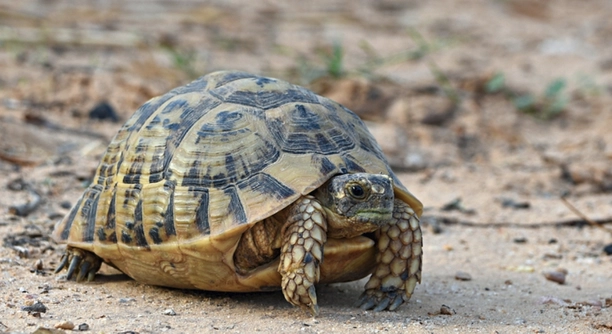
Russian tortoises are unique and interesting pets, but sometimes they may stop moving suddenly. It can be concerning when you notice your tortoise becoming still or inactive. Understanding why this happens can help you care for them better.
There are several reasons why a Russian tortoise may stop moving suddenly, including stress, temperature issues, dehydration, or health concerns like illness. Ensuring your tortoise’s environment is comfortable and that they are hydrated and healthy is crucial to prevent inactivity.
Learning about the causes of sudden immobility will help you keep your tortoise active and healthy. It’s important to recognize the signs early and address any potential issues promptly.
Stress or Change in Environment
Russian tortoises are sensitive to changes in their surroundings. A new habitat, different lighting, or unfamiliar scents can make them feel stressed and cause them to stop moving. They are creatures of habit and prefer a consistent environment. When their routine is disrupted, they may retreat into their shell and stay still for a while. The stress could also result from sudden loud noises, too much handling, or unfamiliar animals nearby. These stresses can overwhelm them, leading to decreased activity. It’s essential to make sure their environment is quiet, stable, and predictable to keep them at ease.
Stress can make a tortoise feel unsafe, leading to immobility. This is their way of protecting themselves from potential threats. Ensuring their home is calm will help them feel comfortable.
Making sure their enclosure is consistent and quiet will help them remain active. Avoid sudden changes and allow them to adjust at their own pace. A peaceful environment is crucial to their well-being.
Temperature Problems
One of the most common reasons Russian tortoises stop moving is due to improper temperature conditions. These tortoises thrive in specific temperature ranges and can become inactive if it gets too cold or hot. A temperature that’s too low can slow down their metabolism, making them lethargic or even causing them to hibernate early. On the other hand, extreme heat can be just as harmful. If your tortoise is exposed to temperatures outside their comfort zone for long periods, they may stop moving altogether, seeking refuge in a cool corner or their hide.
Proper temperature regulation is key to ensuring your tortoise stays active. Keep their enclosure within the ideal range, which is typically around 75-85°F during the day, with a basking area that can reach up to 90°F. Use a thermometer to check the temperature regularly, and make sure they can find a cooler spot to retreat to when needed. If you’re unsure about the temperature, adding a heat lamp or a ceramic heat emitter can help regulate it.
Avoid placing the tortoise’s enclosure in drafty or very hot areas, as they can experience stress from these temperature fluctuations. Adjusting their habitat to maintain consistency will keep them moving and healthy.
Dehydration
Dehydration is another issue that can cause a Russian tortoise to stop moving. These tortoises need a constant supply of water to stay active and healthy. If they are not properly hydrated, they can become sluggish, lethargic, or refuse to move. Dehydration can happen if their water source is not fresh, if they are not soaking in water regularly, or if their diet lacks enough moisture.
To ensure your tortoise is drinking enough, provide fresh water daily and offer shallow dishes that are easy for them to access. Additionally, consider giving them a regular soak in lukewarm water, as this will help with hydration and digestion. This can be especially important during warmer months when they might not drink enough on their own. Soaking also helps with shedding, which is essential for their overall health.
Adding moisture-rich vegetables to their diet, like leafy greens, can also contribute to hydration. Keeping a careful watch on their water intake and providing soaking opportunities will help maintain their energy levels and keep them active.
Illness or Injury
If your Russian tortoise stops moving suddenly, it might be due to illness or injury. A tortoise in pain or discomfort may become less active. If they are not eating, drinking, or moving as usual, it’s important to observe for other signs of illness like nasal discharge, swelling, or abnormal behavior.
Common health problems include respiratory infections, shell rot, or digestive issues. If you suspect any of these, consult a vet as soon as possible. Ignoring health problems can lead to more serious conditions. Illnesses can make them tired and weak, leading them to stay in one spot. Treatment from a professional is key to getting them back to their usual self.
Injuries, such as a broken limb or shell crack, can also cause sudden immobility. A tortoise in pain will likely retreat into its shell and avoid movement. Carefully check for any visible signs of injury. If you notice anything unusual, don’t hesitate to take them to a vet for proper care and treatment.
Overfeeding or Improper Diet
An improper diet can lead to digestive issues that make your tortoise less active. Overfeeding can cause them to feel sluggish, especially if they have a high-protein diet, which can lead to constipation or other digestive problems. Ensure you’re feeding them the right foods in appropriate amounts.
Russian tortoises need a diet mainly composed of fibrous plants, such as grasses, dandelions, and leafy greens. If their diet is too rich in fruit or high-protein foods, it can disrupt their digestion, causing discomfort and leading to inactivity. A balanced diet will support proper digestion, giving your tortoise the energy to stay active and healthy. Additionally, avoiding overfeeding will prevent them from becoming overweight, which can affect their mobility.
Offer a variety of vegetables and ensure they have a steady supply of calcium for proper shell growth. Avoid feeding them sugary or fatty foods that can lead to sluggishness. Monitoring their diet will keep them feeling energetic and mobile.
Improper Lighting
Russian tortoises need proper lighting to stay active. Without the right amount of UVB light, they can become sluggish and inactive. UVB helps them metabolize calcium, which is crucial for strong bones and overall health.
Ensure your tortoise’s enclosure has a UVB light that mimics natural sunlight. The light should be placed above their basking area, and it needs to be replaced regularly to maintain effectiveness. Without adequate lighting, your tortoise could develop health problems, leading to reduced activity. If your tortoise seems lethargic, check the light source and its positioning.
Lack of Space to Roam
A small or overcrowded enclosure can also cause inactivity. Tortoises need space to explore, stretch, and move freely. A cramped area can make them feel confined, which might lead to stress and lack of movement.
Ensure your tortoise has plenty of space to roam and explore. A larger enclosure encourages physical activity, which helps them stay healthy. A small, uncomfortable space will only lead to stress and reduced mobility. Provide different textures and hiding spots for mental stimulation.
FAQ
Why isn’t my Russian tortoise moving?
If your Russian tortoise isn’t moving, it could be due to a number of factors. Stress, improper temperature, dehydration, illness, or injury are common reasons. If your tortoise has recently experienced a change in its environment, it might be stressed. Check the temperature in their habitat and make sure it’s within the recommended range. A lack of movement could also indicate health issues like a respiratory infection or shell rot, so be sure to look for other symptoms. Dehydration, caused by not providing enough fresh water or soaking, can also slow them down. If the immobility persists, a vet visit is advised.
How can I tell if my tortoise is dehydrated?
Dehydration in tortoises can cause lethargy and a lack of movement. One way to check is by looking at their skin. If the skin seems wrinkled or dry, they might be dehydrated. Additionally, check their eyes; if they look sunken or dull, it’s another sign. Offering your tortoise a soak in lukewarm water for 20 to 30 minutes can help hydrate them. Make sure fresh water is always available in their enclosure as well. If dehydration continues, or if there are no improvements after soaking, consult a vet.
What temperature should I keep my tortoise’s enclosure?
The temperature in your tortoise’s habitat plays a big role in their activity levels. During the day, aim for a temperature range of 75 to 85°F throughout most of the enclosure. The basking area should reach about 90°F to allow your tortoise to warm up. At night, the temperature can drop to around 70°F. Use a thermometer to regularly check the temperature and adjust the heat source as needed. If the enclosure is too cold, your tortoise’s metabolism may slow down, making them less active.
How do I know if my tortoise is sick?
Sick tortoises often show changes in behavior, such as reduced movement, lack of appetite, or staying hidden in their shell. Other signs include nasal discharge, swollen eyes, abnormal breathing sounds, or abnormal stools. If your tortoise isn’t eating or drinking and appears weak, there may be an underlying issue like an infection. If you notice any of these signs, it’s important to consult a reptile vet for a proper diagnosis and treatment. Don’t wait too long to seek help, as health issues can worsen quickly in tortoises.
What should I feed my Russian tortoise?
Russian tortoises need a diet high in fiber and low in protein. Offer them a variety of leafy greens such as dandelion greens, collard greens, and mustard greens. You can also give them grasses, clover, and herbs like basil and oregano. Limit fruits as they are too sugary for them and can cause digestive issues. Include calcium-rich foods like kale and provide a calcium supplement to support shell growth. Avoid feeding them high-protein foods like meat, as this can cause health problems in the long term.
Can stress make my tortoise stop moving?
Yes, stress can cause a Russian tortoise to become inactive. A change in their environment, like moving to a new enclosure or the introduction of new pets or people, can trigger stress. Loud noises, overcrowded enclosures, or being handled too much can also make them retreat into their shell and stop moving. To reduce stress, maintain a quiet and stable environment for your tortoise. Ensure they have enough space to move around, and avoid frequent disruptions to their habitat. If stress is the cause, once the environment settles, they should return to their usual activity level.
How often should I soak my Russian tortoise?
Soaking your Russian tortoise is important for maintaining hydration and helping with digestion. Ideally, you should soak your tortoise once a week in lukewarm water for about 20 to 30 minutes. This helps prevent dehydration and encourages them to drink if they’re not doing so on their own. During the hotter months or if your tortoise is not eating enough water-rich foods, you may need to soak them more frequently. Always ensure fresh water is available in their enclosure as well, so they have access to it whenever needed.
Is it normal for my tortoise to stop moving at night?
Yes, it is completely normal for Russian tortoises to be less active at night. Like most reptiles, they are diurnal, meaning they are active during the day and rest at night. During the evening, your tortoise will likely retreat into its hide or shell to sleep. As long as they are active during the day and eating regularly, there is no cause for concern. If they are inactive throughout the day, then it may be time to investigate other possible issues, such as temperature, diet, or health problems.
What are the signs that my tortoise is hibernating?
Hibernation in Russian tortoises typically occurs in the winter months. If your tortoise is hibernating, you’ll notice they will become very sluggish and eat less or stop eating altogether. They may also retreat into their shell more frequently and show little interest in moving. While hibernation is natural, it’s important that it happens in a controlled environment to prevent health issues. Make sure the temperature is cool but not too cold, ideally around 50°F to 60°F. If you notice signs of hibernation but are unsure, it’s best to consult a vet to ensure everything is going well.
Final Thoughts
If your Russian tortoise suddenly stops moving, it’s important to take a close look at their environment and health. Many factors can cause this, such as stress, improper temperature, dehydration, illness, or even injury. Stress can come from changes in their habitat, being handled too much, or a loud environment. Making sure their space is quiet and stable can help reduce stress and keep them active. Also, check that their temperature is within the correct range. Too cold or too hot conditions can make them sluggish, so maintaining the right temperature is essential.
Hydration is another key factor in your tortoise’s activity. Dehydration can cause lethargy, so offering fresh water daily and regularly soaking your tortoise can help prevent this. If your tortoise seems less active, look for signs like dry or wrinkled skin, which could indicate dehydration. Along with hydration, a balanced diet is crucial. Russian tortoises need a diet high in fiber and low in protein. Offering a variety of leafy greens and grasses will keep them healthy and energized. Avoid overfeeding or providing high-protein foods, which can cause digestive problems and make them feel sluggish.
Lastly, always monitor your tortoise’s overall health. Illness and injury can lead to inactivity, and it’s important to notice any changes in their behavior. If your tortoise isn’t eating, drinking, or moving as usual, and you notice any other signs of illness, it’s best to consult a veterinarian. Early intervention can prevent more serious health problems. Regular check-ups, a stable environment, proper diet, and proper care will help keep your tortoise active and healthy for years to come.

Hello,
If you enjoy the content that we create, please consider saying a "Thank You!" by leaving a tip.
Every little bit helps us continue crafting quality advice that supports the health, happiness, and well-being of pets around the world, for pets of all shapes, sizes, and species.
We really appreciate the kindness and support that you show us!