
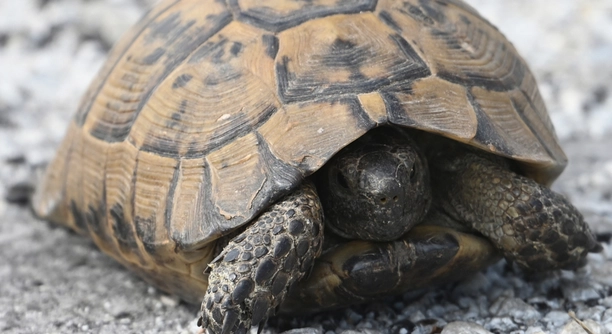
Russian tortoises make wonderful pets, but they need proper care to live long, healthy lives. Without the right environment and routine, their lifespan can be shortened. Here’s what you need to know to keep them thriving.
There are several mistakes that can negatively impact the lifespan of a Russian tortoise, including improper diet, inadequate lighting, and lack of space. Avoiding these errors ensures a healthier and longer life for your tortoise.
With some simple changes, you can make a big difference in your tortoise’s health. Avoiding these mistakes will help you provide the best possible care for your pet.
Mistake 1: Feeding Your Tortoise the Wrong Diet
A proper diet is essential for a Russian tortoise’s well-being. Offering a variety of fresh vegetables and some fruits is key to keeping your pet healthy. Foods like lettuce and spinach are often poor choices and can cause health problems over time. Instead, focus on leafy greens, such as dandelion greens, collard greens, and turnip greens. It’s important to avoid foods high in oxalates and go easy on fruits to prevent shell problems and digestive issues. Make sure to offer a calcium supplement to maintain healthy bone development. Fresh water should always be available to keep your tortoise hydrated.
A diet rich in fiber is crucial for digestion. These dietary choices promote the proper functioning of the digestive system and help prevent common issues like impaction.
If you’re unsure what to feed your tortoise, it’s worth researching or asking an expert. Maintaining the right balance of nutrients ensures that your tortoise lives a long, healthy life.
Mistake 2: Not Providing Enough Space
Space is crucial for a Russian tortoise. Keeping them in a small enclosure can lead to stress and a shorter lifespan. Ideally, your tortoise should have access to an area large enough to roam and explore. Tortoises are naturally active animals that benefit from having room to move and exercise. A small space may cause physical and mental strain, affecting their overall health.
Allowing your tortoise to roam freely, especially in a secure outdoor area, is a great way to mimic their natural habitat. Just make sure the space is secure to avoid escapes. Proper space allows your tortoise to dig, bask in natural sunlight, and exhibit natural behaviors that are essential for its well-being. The more space you provide, the healthier your pet will be.
Making sure your tortoise has plenty of room to explore can make all the difference in its long-term health. Proper space means less stress and more joy for both you and your tortoise.
Mistake 3: Incorrect Lighting
Proper lighting is essential for your tortoise’s health. Russian tortoises need both UVB light and heat to stay healthy. Without UVB light, they can’t process calcium, which is necessary for strong bones and a healthy shell. Additionally, incorrect temperatures can cause stress, making your tortoise more vulnerable to illness.
UVB lighting should be provided for 10-12 hours a day. This can be achieved using a specialized bulb designed for reptiles. Make sure the light is placed within the proper distance from your tortoise to maximize its benefits. A heat source should also be available, as Russian tortoises need warmth for digestion and general comfort. The basking area should be between 90-100°F.
By providing the right lighting setup, your tortoise can thrive and avoid conditions like metabolic bone disease, which can develop without proper exposure to UVB light.
Mistake 4: Neglecting to Maintain Humidity
Humidity plays a role in the overall health of your Russian tortoise, especially when it comes to shedding and hydration. If the air in their enclosure is too dry, it can lead to problems with shedding and respiratory issues. Humidity levels should be monitored and adjusted to ensure a comfortable environment.
Russian tortoises do best in humidity levels between 40-60%. You can achieve this by misting the enclosure or using a humidifier. Be mindful not to overdo it, as too much moisture can cause other problems, like mold growth. Proper humidity helps with healthy shedding, preventing skin infections that may develop if the environment is too dry.
Maintaining a balanced level of humidity in your tortoise’s habitat ensures comfort and minimizes the risk of health problems. It’s an easy fix that can make a significant impact on your tortoise’s overall well-being.
Mistake 5: Overfeeding or Underfeeding
Feeding your Russian tortoise the right amount is essential. Overfeeding can lead to obesity and organ stress, while underfeeding can cause malnutrition and slow growth. Balancing their diet will help keep them at a healthy weight and ensure long-term health.
Pay attention to portion sizes. A general guideline is to offer fresh vegetables, leafy greens, and occasional fruits in the right amount. Make sure your tortoise is eating the proper foods and avoid giving too many high-calcium foods, which can cause kidney problems over time.
Proper portions help maintain your tortoise’s energy levels and overall well-being, reducing the risk of health complications.
Mistake 6: Inadequate Temperature Regulation
Temperatures play a major role in your tortoise’s comfort and health. Too cold or too hot of an environment can stress your tortoise and affect its immune system. Keeping a consistent temperature in their habitat will help them stay healthy and active.
In a Russian tortoise’s enclosure, it’s important to have a basking area with a temperature of 90-100°F and a cooler area between 70-75°F. These variations help regulate their body temperature, which is critical for proper digestion and overall function. Consistent temperature helps reduce stress and prevents illness.
By ensuring that temperatures are stable and within the proper range, you will help your tortoise live a more comfortable, longer life.
FAQ
How often should I feed my Russian tortoise?
Russian tortoises should be fed every other day. A diet of fresh greens and vegetables, such as dandelion greens, collard greens, and turnip greens, is ideal. Fruits should be offered sparingly. The amount of food should be proportionate to your tortoise’s size and activity level. If you’re unsure, it’s better to offer less food than too much. Overfeeding can cause obesity, which leads to health issues like heart strain. Monitor your tortoise’s weight to determine the right feeding schedule. You can also provide a calcium supplement, especially for younger tortoises, to support bone health.
Can I let my Russian tortoise roam outside?
Yes, you can let your Russian tortoise roam outside, but only in a secure, safe environment. Make sure the area is enclosed to prevent escapes and avoid predators. The outdoor space should have areas for basking, shelter, and grazing on safe, pesticide-free grass. Avoid letting them outside during extreme weather conditions—both heat and cold can stress your tortoise and affect its health. Supervision is essential, as tortoises can easily wander off or get into trouble. It’s also important to ensure the outdoor space has no harmful plants or hazards that could hurt them.
What temperature should my Russian tortoise’s habitat be?
The habitat temperature should vary, with a basking area kept at 90-100°F and a cooler area around 70-75°F. Russian tortoises need to regulate their body temperature, so the enclosure should offer both a warm spot for basking and a cooler retreat. At night, the temperature can drop to about 60°F, but it should not dip lower. Keeping temperatures within this range helps your tortoise digest food properly and stay healthy. A reliable thermometer is essential for monitoring temperature fluctuations. If your tortoise’s habitat is too cold, it can slow its metabolism and make it prone to illnesses.
How much space does a Russian tortoise need?
Russian tortoises need a considerable amount of space to thrive. A 4-foot by 8-foot enclosure is a minimum requirement for an adult tortoise. Larger spaces are even better and more beneficial, allowing your tortoise to explore, exercise, and behave naturally. A larger space helps prevent boredom and stress, which can lead to health problems. If you let your tortoise roam outside, make sure the area is securely fenced, and check for escape routes. Tortoises are quite good at finding ways out of small enclosures, so providing ample room for movement will keep them happy and active.
What should I do if my Russian tortoise isn’t eating?
If your Russian tortoise refuses to eat, check for signs of illness first. It may be stressed or uncomfortable due to environmental factors such as improper temperature, lighting, or humidity levels. Tortoises can also stop eating if they are shedding or feeling unwell. Make sure the habitat is clean and the food is fresh. If your tortoise isn’t eating for more than a few days, it’s a good idea to consult a vet, as there could be an underlying health issue like a respiratory infection or digestive problem.
How do I handle a Russian tortoise?
Handling your Russian tortoise should be done gently and infrequently. While they can tolerate short handling sessions, excessive handling can stress them out. Always support their body fully, holding them with both hands. Avoid picking them up by their shell, as this can cause discomfort or harm. Let your tortoise explore at its own pace, and never force it to interact if it seems scared or agitated. Handling should be done in a quiet area, free from loud noises or sudden movements, which can stress your pet.
What kind of lighting do Russian tortoises need?
Russian tortoises need UVB lighting to synthesize vitamin D3, which helps them absorb calcium. A UVB bulb should be used for 10-12 hours a day to ensure proper calcium metabolism and bone health. Place the bulb close to the tortoise’s basking area (within 12 inches) to maximize the effectiveness. A heat source should also be provided, creating a basking spot with temperatures around 90-100°F. It’s essential to replace UVB bulbs every 6 months, even if they still emit visible light, as their UVB output decreases over time. Without proper UVB exposure, your tortoise could develop metabolic bone disease.
Can Russian tortoises live with other pets?
Russian tortoises can sometimes live with other pets, but it’s crucial to assess the compatibility and risks. Avoid keeping them with animals that might view them as prey, such as dogs or cats. If you plan to house them with other reptiles or tortoises, make sure the animals are of similar size and have compatible environmental needs. Keep an eye on their interactions to ensure that one pet is not bullying or stressing the other. In general, it’s safer to house Russian tortoises alone, but with proper supervision, cohabitation is possible in some cases.
How do I keep my Russian tortoise healthy during the winter?
During winter, Russian tortoises need extra care to stay healthy. If you live in a colder climate, it’s essential to bring your tortoise indoors or ensure that its outdoor enclosure is insulated and protected from the cold. Avoid letting them hibernate if they haven’t been properly prepared, as this can cause health complications. If your tortoise is indoors, maintain the right temperatures (basking area at 90-100°F, cooler areas at 70-75°F), provide proper UVB lighting, and ensure humidity levels are adequate. If your tortoise appears lethargic or refuses to eat, consult a vet for advice.
How do I know if my Russian tortoise is stressed?
Signs of stress in a Russian tortoise include reduced appetite, increased hiding, and avoidance of social interaction. If your tortoise is frequently hiding in its shell or moving erratically, it may be stressed. Environmental factors like temperature fluctuations, improper lighting, or a cramped living space can cause stress. Other signs include respiratory issues, like wheezing or nasal discharge, which could indicate an illness triggered by stress. If you notice these signs, make changes to its habitat to ensure comfort. If stress continues, or if there are additional symptoms of illness, seek veterinary advice.
Final Thoughts
Taking care of a Russian tortoise requires understanding their basic needs and creating a suitable environment for them to thrive. Providing the right habitat, temperature, and lighting is key to ensuring your tortoise stays healthy. Regular feeding with a balanced diet of greens and vegetables will help them grow strong and avoid health problems. By paying attention to these essentials, you give your tortoise a better chance at a long, happy life.
While Russian tortoises are relatively low-maintenance pets, they still require consistent care and attention. Overlooking factors like proper diet, temperature, and space can lead to stress, illness, or even a shorter lifespan. It’s important to monitor their behavior and health regularly, making adjustments to their environment as needed. A stress-free and comfortable living space is vital for their overall well-being, so be sure to avoid overcrowding or exposing them to harsh conditions.
Finally, taking the time to learn about the specific needs of your Russian tortoise will help you be a more responsible and informed pet owner. With the right care and attention, your tortoise can live a long and healthy life. Don’t hesitate to consult a veterinarian if you notice any signs of illness or if you have concerns about their care. The more effort you put into meeting their needs, the more your tortoise will reward you with its quiet companionship and unique personality.

Hello,
If you enjoy the content that we create, please consider saying a "Thank You!" by leaving a tip.
Every little bit helps us continue crafting quality advice that supports the health, happiness, and well-being of pets around the world, for pets of all shapes, sizes, and species.
We really appreciate the kindness and support that you show us!