
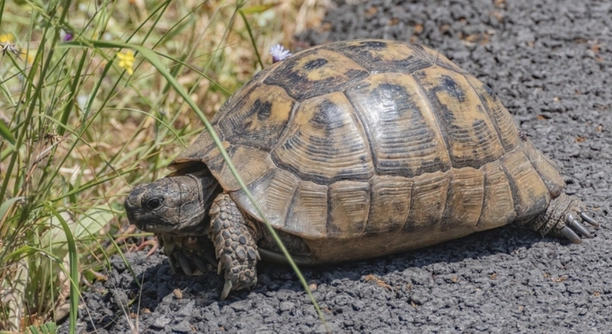
Russian tortoises are delightful little creatures, but sometimes their digestive systems can be sensitive. Understanding which foods to avoid is important for their health and comfort. Some foods might be harmful to their digestive systems, causing discomfort.
Certain foods can cause digestive issues in Russian tortoises, such as high-fat, high-protein, or sugary foods. These can disrupt their delicate digestive balance and lead to gastrointestinal problems. It is crucial to provide them with a proper, balanced diet.
Knowing what foods to avoid will help keep your tortoise healthy and happy. In the following sections, we’ll discuss some common foods to be cautious about when feeding your pet tortoise.
High-Protein Foods
Some high-protein foods can cause digestive issues in Russian tortoises. While protein is essential for their growth, too much of it can overwhelm their digestive system. Foods such as meat, dairy, and eggs are not suitable for tortoises, as they can lead to kidney problems or other health issues. A tortoise’s diet should primarily consist of plant-based foods like grasses and leaves, which are naturally lower in protein.
Feeding protein-rich foods in excess can create an imbalance, resulting in digestive problems. This can include bloating, discomfort, and even long-term health concerns if not corrected.
If your tortoise is getting too much protein, it can also impact its overall health. They may experience weight gain or shell deformities due to an imbalanced diet. Sticking to the recommended plant-based foods ensures your tortoise stays healthy, with proper nutrition. It’s important to keep their meals simple and appropriate for their specific dietary needs.
High-Sugar Fruits
High-sugar fruits are another food group to avoid for Russian tortoises. While a small amount of fruit is fine, sugary options like grapes, bananas, and oranges should be kept to a minimum.
Consuming too much sugar can upset a tortoise’s stomach and lead to digestive issues like diarrhea. Excessive sugar intake also contributes to obesity and can lead to long-term health complications.
Feeding your tortoise sugary fruits too often can cause an imbalance in their diet. These foods are not naturally found in their wild habitat, and their digestive systems are not designed to process them frequently. Instead, focus on offering a variety of leafy greens and some low-sugar fruits, like strawberries or apples, in moderation. This will keep your tortoise’s digestion healthy and their weight in check.
Iceberg Lettuce
Iceberg lettuce is often considered a poor choice for Russian tortoises. It’s mostly water and lacks the necessary nutrients they need.
Feeding iceberg lettuce regularly can lead to nutritional deficiencies. While it won’t harm them in small amounts, it doesn’t provide the vitamins and minerals that a healthy tortoise needs. It can also cause diarrhea, which can upset your tortoise’s digestive system.
Instead of iceberg lettuce, provide more nutritious leafy greens like kale, collard greens, or dandelion leaves. These offer better hydration and essential nutrients. A balanced variety of greens will help keep your tortoise strong and prevent health issues related to poor nutrition.
Processed Foods
Processed foods, like bread or pasta, should never be a part of a Russian tortoise’s diet. These foods contain additives and preservatives that can harm their digestive system.
Tortoises do not digest processed foods well, as they are high in carbohydrates and low in fiber. They lack the ability to break down these foods efficiently, leading to possible indigestion, bloating, or even more serious gastrointestinal issues. It’s important to avoid feeding your tortoise foods that are not part of their natural diet.
Instead, focus on whole, natural plant matter that aligns with their needs. Fresh vegetables, weeds, and grasses will provide the nutrients and fiber necessary for good digestion. A well-balanced, natural diet will keep your tortoise’s system functioning properly without the risks posed by processed foods.
Avocado
Avocados are not suitable for Russian tortoises. They contain a substance called persin, which can be toxic to many animals, including tortoises.
Even small amounts of avocado can cause health issues like difficulty breathing, lethargy, or digestive distress. It’s best to avoid giving them any part of the avocado, including the flesh, skin, or pit.
Instead, focus on offering safe, tortoise-friendly vegetables and fruits. Leafy greens like romaine lettuce or safe fruits such as strawberries are much better choices to ensure your tortoise stays healthy and free from harmful toxins.
Tomatoes
Tomatoes, especially the stems and leaves, should be avoided in your tortoise’s diet. While the fruit itself is safe in small quantities, the rest of the plant contains toxic substances.
Tomato plants contain solanine, a toxin that can cause digestive upset or even more severe health problems if consumed in large amounts. If you feed your tortoise tomato, only offer the fruit itself, and make sure to remove any green parts.
Keep a balanced diet for your tortoise by providing safe, leafy greens and other vegetables that are more beneficial to their health. It’s best to offer variety without putting them at risk.
FAQ
Can Russian tortoises eat carrots?
Yes, Russian tortoises can eat carrots, but they should only be given in moderation. Carrots are high in sugar and can cause digestive issues if fed too often. It’s best to offer them as a treat rather than a regular part of their diet. Too many carrots can lead to an imbalance in their nutrition. Stick to a variety of leafy greens for their primary diet, and offer carrots occasionally to add variety and a bit of sweetness.
Are Russian tortoises allowed to eat flowers?
Yes, some flowers are safe for Russian tortoises, but not all of them. Flowers like dandelions, hibiscus, and pansies are fine for them to eat. However, make sure the flowers have not been treated with pesticides or chemicals before offering them to your tortoise. Always research a flower’s safety before introducing it into their diet. Avoid flowers that are toxic to tortoises, such as lilies or daffodils, as they can cause harm if ingested.
How often should I feed my Russian tortoise?
Russian tortoises should be fed daily when they are young to support their growth. As they grow older, you can reduce their feeding to every other day. Their diet should mainly consist of a variety of leafy greens, weeds, and grasses. Ensure they have fresh water available at all times and avoid overfeeding, as it can lead to obesity or digestive problems. Be mindful of portion sizes and try to stick to a balanced diet.
Can I feed my Russian tortoise strawberries?
Yes, strawberries are safe for Russian tortoises, but like other fruits, they should only be given in moderation. Fruits like strawberries are high in sugar, which is not ideal for their digestion if consumed too often. Offering strawberries once a week is usually enough, and they can be a nice treat for your tortoise. Always make sure to wash the fruit thoroughly before offering it to remove any pesticides or dirt.
Are leafy greens enough for my tortoise?
Leafy greens should make up the majority of a Russian tortoise’s diet. While they are a great source of vitamins and fiber, it’s still important to offer a variety of other vegetables, flowers, and weeds to ensure they get all the necessary nutrients. Greens like kale, collard greens, and dandelion leaves are excellent choices. Rotate between different types of greens to keep your tortoise’s diet balanced and interesting.
What are the best vegetables for Russian tortoises?
Some of the best vegetables for Russian tortoises include collard greens, mustard greens, turnip greens, and dandelion greens. These vegetables are rich in fiber and essential nutrients. Other good options include squash, bell peppers, and cucumbers. Always ensure the vegetables are fresh and free from pesticides. Avoid feeding them vegetables that are too high in water content, like iceberg lettuce, as they don’t provide much nutrition.
Can Russian tortoises eat spinach?
Spinach can be fed to Russian tortoises, but it should be done sparingly. Spinach contains oxalates, which can bind to calcium and interfere with the absorption of this vital nutrient. Long-term consumption of spinach in large quantities can lead to calcium deficiency and kidney problems. You can offer spinach once in a while, but it should not be a staple in their diet.
Is it safe for my tortoise to eat mushrooms?
Mushrooms are not recommended for Russian tortoises. Wild mushrooms can be toxic, and even store-bought mushrooms can cause digestive problems. They are not part of a tortoise’s natural diet and could upset their stomach. It’s safer to avoid mushrooms entirely and focus on vegetables and leafy greens that are specifically suitable for their digestive system.
Can Russian tortoises eat bananas?
Bananas are safe for Russian tortoises to eat, but they should only be given in small amounts. Bananas are high in sugar, which can cause digestive upset if fed too frequently. Like other fruits, bananas should be treated as a rare treat rather than a regular food item. It’s important to maintain a balanced diet that mainly includes high-fiber, low-sugar foods.
How do I know if my tortoise is eating enough?
You can tell if your Russian tortoise is eating enough by observing their weight and activity level. A healthy tortoise should be active, alert, and not losing weight. If they’re consistently eating, have a good appetite, and their stool is regular, that’s a good sign that they’re getting enough food. If you notice any signs of lethargy, weight loss, or digestive problems, you may need to adjust their diet or consult a veterinarian.
Can Russian tortoises eat cactus?
Yes, Russian tortoises can eat certain types of cactus, but they should be fed with caution. Opuntia, or prickly pear cactus, is a good option for tortoises, as it provides both hydration and nutrients. Make sure to remove the spines before offering it to your tortoise. Avoid cacti that have been treated with chemicals or pesticides, as these can harm your pet.
Can I feed my tortoise grass clippings?
Grass clippings can be safe for Russian tortoises to eat, but you must be careful. If you use chemical fertilizers or pesticides on your lawn, the clippings can be toxic to your tortoise. Only offer fresh, untreated grass clippings, and make sure they haven’t been sitting out in the sun for too long, as they can dry out and lose their nutritional value. Fresh, untreated grass is always a better option for your tortoise.
Final Thoughts
Maintaining a balanced diet for your Russian tortoise is key to their overall health and well-being. While it can be tempting to feed them a variety of foods, it’s important to stick to what is safe and beneficial for their digestive system. Certain foods like high-protein items, sugary fruits, or processed foods should be avoided to prevent digestive issues or long-term health problems. A diet focused on leafy greens, safe vegetables, and occasional fruits can help keep your tortoise thriving.
A good rule of thumb is to feed your tortoise a variety of safe foods while avoiding anything that could cause an imbalance. Always remember that tortoises have very specific dietary needs, and what might be healthy for another pet may not be suitable for them. Their digestive system is designed to process plant-based foods, so their diet should be mostly comprised of grasses, leafy greens, and other vegetation they would naturally find in their environment. By following these guidelines, you can ensure that your tortoise remains healthy, happy, and active.
Taking the time to research and understand what foods are best for your Russian tortoise will pay off in the long run. Not only will it help prevent digestive issues, but it will also support their immune system and overall health. Regularly offering fresh, nutrient-rich foods and avoiding harmful ones is the best way to ensure your tortoise lives a long, healthy life. A simple, well-balanced diet will give them the energy and nutrients they need to thrive.

Hello,
If you enjoy the content that we create, please consider saying a "Thank You!" by leaving a tip.
Every little bit helps us continue crafting quality advice that supports the health, happiness, and well-being of pets around the world, for pets of all shapes, sizes, and species.
We really appreciate the kindness and support that you show us!