
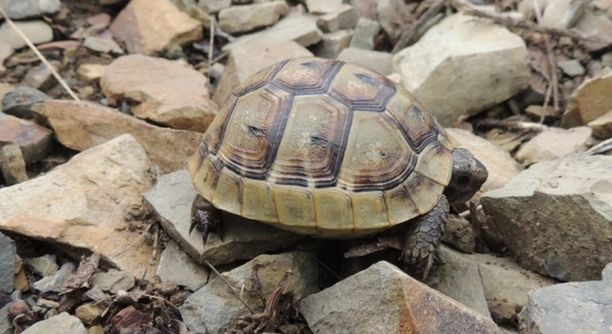
Russian tortoises can often be seen scratching at walls or surfaces, which may raise concerns for their owners. This behavior can signal a variety of things that impact their comfort and well-being.
The primary reason a Russian tortoise scratches the walls is due to stress, lack of space, or an unsuitable environment. They may also be trying to find a mate or seeking a place to dig, indicating a need for a proper habitat.
Understanding the causes behind this behavior can help create a better living space for your tortoise, ensuring its comfort and health.
Stress and Anxiety
Russian tortoises are sensitive creatures that can react strongly to stress. Changes in their environment, such as loud noises, new pets, or a lack of hiding spots, can cause them to scratch the walls. This behavior is often a sign of their discomfort. If your tortoise is scratching, it may be trying to escape from something that is causing it anxiety. Sometimes, even the presence of a new object in their habitat can be overwhelming.
Providing your tortoise with a safe, quiet space can help reduce stress. Ensure that its habitat has ample hiding spots and a consistent temperature. Stress reduction is key to improving your tortoise’s well-being.
Try adding plants, rocks, or tunnels that give your tortoise places to hide. A well-structured habitat allows them to feel secure and reduces the likelihood of wall-scratching behavior. If stress persists, consider if other factors, such as lighting or handling, may be contributing to their anxiety.
Limited Space
Russian tortoises require enough space to move around and explore. A small enclosure will quickly lead to frustration, and scratching at the walls is a common response. It’s essential to provide a large enough space that encourages movement and exploration.
Tortoises that are kept in cramped spaces may also develop negative behaviors like scratching, digging, and pacing. Expanding their environment gives them the opportunity to exercise and find areas to dig, which are essential for their well-being. Adding a larger enclosure or creating an outdoor space can significantly improve their happiness.
Lack of Digging Opportunities
Russian tortoises have a natural instinct to dig, and if they don’t have the proper materials to do so, they might scratch at the walls. This behavior stems from their need to burrow and find shelter. Without a digging space, they may feel trapped.
To address this, provide your tortoise with a deep substrate such as coconut coir, soil, or a mix of both. These materials are ideal for digging and will give them the opportunity to fulfill this natural behavior. Offering a section of the enclosure dedicated to digging will help reduce wall-scratching.
Ensure the substrate is deep enough, as this will allow your tortoise to create burrows and hide if they feel the need to. Digging is an essential part of their lifestyle, and giving them the right materials will provide them with an outlet for this instinct. Avoid using materials like sand that don’t provide enough depth for them to burrow.
Incorrect Temperature and Lighting
Temperature and lighting are essential to a tortoise’s well-being. If the enclosure is too hot or too cold, your tortoise may scratch at the walls in frustration. These environmental issues affect their comfort and health. They require a gradient of temperatures to regulate their body heat effectively.
Place a heat lamp in one area of the enclosure to create a warm basking spot. The rest of the space should have a cooler side to allow your tortoise to regulate its body temperature. Ensure that the enclosure stays within the ideal temperature range of 75-85°F for daytime and a slight drop at night.
In addition to temperature, provide proper UVB lighting. This is crucial for their digestion and overall health. A lack of UVB light can cause vitamin D3 deficiency, affecting their ability to absorb calcium. This, in turn, may cause them to exhibit behaviors like scratching walls due to discomfort or stress.
Boredom and Lack of Stimulation
Tortoises, especially when kept alone or in small enclosures, can become bored. Without enough stimulation, they may resort to scratching at the walls. Providing enrichment, such as new objects to explore, can help keep them mentally engaged.
Consider rotating toys and adding natural elements like rocks, plants, or even a shallow water dish. These changes will offer new experiences and reduce unwanted scratching. A varied environment prevents your tortoise from growing restless and encourages them to engage in more natural behaviors.
Inadequate Diet
A poor diet can cause health problems in Russian tortoises, leading to unusual behavior. If they are not getting the necessary nutrients, they might exhibit stress-related actions, such as scratching at walls. Ensure they are receiving a balanced diet of leafy greens, vegetables, and occasional fruits.
Feeding them too many high-oxalate vegetables or improper calcium levels can also cause discomfort. If their diet is not balanced, they may become more agitated, resulting in behaviors like scratching. Always ensure that your tortoise has access to a calcium supplement to support their shell health.
Health Issues
Health problems, including parasites or skin infections, can lead to scratching behaviors in Russian tortoises. They may scratch to relieve irritation or discomfort. If the scratching is excessive or accompanied by other signs of illness, it’s essential to consult a veterinarian.
Tortoises can experience issues like shell rot, respiratory infections, or skin conditions that cause irritation. If you notice swelling, discharge, or lethargy, seek professional help immediately. Proper treatment will not only stop the scratching but also ensure your tortoise is healthy and comfortable in its environment.
FAQ
Why is my Russian tortoise scratching the walls?
Scratching the walls is often a sign of stress, boredom, or an inadequate environment. If your tortoise feels confined or anxious due to a lack of space or hiding spots, it may scratch as a way to escape. It can also occur if the temperature or lighting is incorrect. Make sure to provide a spacious and well-structured enclosure with the right environmental conditions. Enrichment like plants, tunnels, and rocks can help reduce the scratching.
How can I reduce my tortoise’s wall-scratching behavior?
Start by creating a more comfortable and stimulating environment for your tortoise. Ensure that the enclosure is large enough and has proper hiding spots. Introduce elements like rocks, plants, or tunnels that provide enrichment. Make sure to check the temperature and lighting to ensure they are within the ideal range. Offering a deep substrate for digging can also help satisfy their natural instincts and reduce scratching. A well-balanced diet is crucial for their health and comfort, preventing frustration.
What are the signs that my tortoise is stressed?
Signs of stress in Russian tortoises include excessive scratching, pacing, loss of appetite, and changes in behavior. If your tortoise suddenly becomes more reclusive or shows signs of aggression, it may be feeling stressed. It’s essential to check the environment for factors such as improper temperature, overcrowding, or lack of hiding spaces that may be contributing to the stress.
Can poor lighting cause scratching in tortoises?
Yes, poor lighting can contribute to stress and discomfort in tortoises, which may result in scratching. UVB light is essential for their overall health, as it helps them absorb calcium and digest food. Without proper UVB lighting, tortoises can experience metabolic bone disease and other health issues, leading to behavior changes, including scratching. Make sure your tortoise has access to a UVB light source that is positioned correctly within their enclosure.
Is it normal for Russian tortoises to dig?
Yes, digging is a natural and instinctive behavior for Russian tortoises. They dig to find shelter, regulate temperature, and sometimes to create a safe hiding spot. If your tortoise is scratching walls, providing a deep substrate for digging can satisfy this instinct and help reduce the behavior. Offering a designated digging area is important for their physical and mental well-being.
What is the best temperature for a Russian tortoise enclosure?
The ideal temperature for a Russian tortoise enclosure ranges between 75-85°F (24-29°C) during the day. They also need a basking spot with temperatures reaching 90°F (32°C) to help regulate their body heat. At night, the temperature can drop to 65-75°F (18-24°C). Make sure to provide a temperature gradient within the enclosure to allow your tortoise to move between warmer and cooler areas.
How much space does my tortoise need in its enclosure?
Russian tortoises require a spacious enclosure to feel comfortable and to avoid stress-related behaviors like wall scratching. A minimum of 4 square feet of space per tortoise is recommended, but the more room, the better. If possible, allow them access to an outdoor area with a secure, safe perimeter. The space should include areas for basking, hiding, and digging.
Can Russian tortoises live in groups?
Russian tortoises are generally solitary creatures and prefer to live alone. Keeping multiple tortoises in the same enclosure can lead to stress, aggression, and even fighting, especially if they are of the same sex. If you do decide to house more than one tortoise, make sure the enclosure is large enough to provide each one with its own space to retreat to. Always monitor them closely for signs of aggression.
What is the best diet for a Russian tortoise?
Russian tortoises are herbivores and should be fed a variety of leafy greens, vegetables, and occasional fruits. Suitable greens include dandelion, collard greens, and kale. They also benefit from high-fiber foods such as grasses and weeds. Avoid feeding them too many high-oxalate vegetables like spinach, as these can interfere with calcium absorption. A balanced diet supports their overall health, including shell growth and digestion.
How can I tell if my tortoise is healthy?
A healthy Russian tortoise will have a smooth, firm shell, clear eyes, and active behavior. They should have a good appetite and maintain a consistent weight. If your tortoise is lethargic, has discharge from its nose or eyes, or seems to be struggling with mobility, it may be unwell. Regular check-ups with a reptile vet can help catch any health issues early.
Final Thoughts
Addressing scratching behavior in Russian tortoises requires understanding the root causes. Stress, boredom, and environmental factors are the most common triggers. By observing your tortoise’s behavior and making small adjustments to its environment, you can often resolve the issue. Start by ensuring their enclosure is spacious, comfortable, and stimulating. Adding hiding spots, plants, and other enrichment can help reduce restlessness and prevent wall scratching.
Regular maintenance of the enclosure is key to keeping your tortoise healthy and happy. Check the temperature and lighting daily to ensure they are within the ideal range. Proper UVB lighting is essential for their well-being and can prevent stress and health issues. A balanced diet, including plenty of leafy greens and occasional fruits, will also play a role in your tortoise’s comfort. When all of these factors are properly addressed, scratching behavior is likely to decrease.
If the scratching persists, it’s important to consider potential health problems. Any changes in behavior should be taken seriously, and consulting a veterinarian is always a good idea. While scratching can often be linked to environmental issues, it can also indicate underlying medical conditions that require professional attention. Keep an eye on your tortoise’s overall health and well-being to ensure a long, happy life.

Hello,
If you enjoy the content that we create, please consider saying a "Thank You!" by leaving a tip.
Every little bit helps us continue crafting quality advice that supports the health, happiness, and well-being of pets around the world, for pets of all shapes, sizes, and species.
We really appreciate the kindness and support that you show us!