
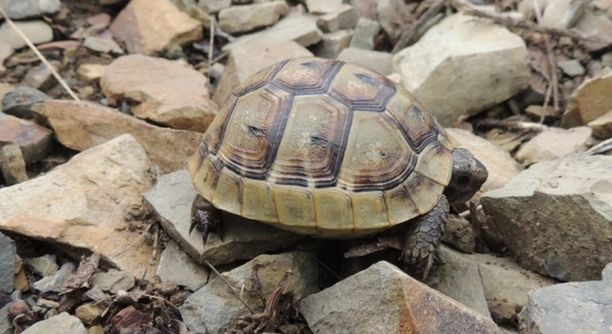
Bringing a Russian Tortoise into your home can be exciting, but it may also cause some stress for your new pet. Understanding how to reduce anxiety in these reptiles can help them feel more comfortable and at ease.
To reduce a Russian Tortoise’s anxiety in a new home, create a secure and quiet environment. Offer hiding spots, maintain a consistent temperature, and avoid sudden movements or loud noises. These simple steps will help your tortoise adapt more easily.
There are simple strategies to help your Russian Tortoise adjust better to its new surroundings. By focusing on its environment and routine, you can make a big difference in how your tortoise feels.
Create a Safe and Quiet Space
Russian Tortoises can get easily stressed when exposed to too much noise or sudden movements. It’s important to set up a space that offers a sense of security and calmness. Make sure the habitat is in a quiet area, away from high traffic zones in your home. This way, your tortoise can feel more at ease and less overwhelmed by constant activity.
A good hiding spot is essential. Tortoises love having a place to retreat to when they feel anxious. It helps them feel secure and safe. You can use small shelters like plastic hides or even natural materials like rocks and logs.
Consider using a large enclosure or a well-decorated terrarium with soft bedding. This allows your Russian Tortoise to explore at its own pace, giving it the opportunity to create its own comfort zone. The more peaceful and private the environment, the quicker your tortoise will settle in.
Keep a Consistent Temperature
Temperature is key to your tortoise’s comfort. Ensure that your pet’s habitat is warm enough but not too hot. Russian Tortoises need a gradient of temperature, with a basking area at around 95°F and a cooler end around 75°F. This helps them regulate their body heat and relax.
Maintaining these temperature ranges in your tortoise’s habitat will help reduce stress. Make sure the heat source is steady and reliable, and invest in a good thermometer to monitor it accurately. A well-heated environment will encourage your tortoise to remain active and at ease in its new home.
Provide Hiding Spots
Hiding spots are a simple yet effective way to help your tortoise feel safe. Tortoises are naturally shy creatures and need areas where they can escape and relax. Use items like ceramic pots, driftwood, or even cardboard boxes to create small hideaways.
Hiding spots also allow your tortoise to regulate its stress levels. When it feels overwhelmed, it can retreat to a private spot to recharge. It’s crucial to place these hiding areas where your tortoise can access them easily but where it feels undisturbed. A proper hiding space can significantly reduce anxiety, making your tortoise feel more at home in its new surroundings.
Providing different options for hiding can make your tortoise feel like it has control over its environment. Multiple small spots around the enclosure can give it freedom to explore, retreat, and move around when it wants to. This sense of control can reduce feelings of stress.
Avoid Sudden Movements
Russian Tortoises are sensitive to quick, unexpected movements. Sudden changes in their surroundings or loud noises can be alarming and lead to increased stress. It’s important to handle your tortoise gently and avoid rushing around its enclosure.
Avoid startling your tortoise by making slow and deliberate movements. When cleaning or adjusting its habitat, keep things calm. If you need to pick up your tortoise, approach it carefully, ensuring it doesn’t feel threatened or rushed. The less stressed your tortoise is from unpredictable actions, the more likely it is to settle comfortably into its new environment.
Keeping a consistent routine and minimizing disruptions will help your tortoise build trust with you. Over time, it will become accustomed to your presence, reducing anxiety even further.
Maintain a Regular Feeding Schedule
A consistent feeding routine helps your tortoise feel more secure. Feeding your tortoise at the same time each day creates structure. It also prevents any confusion or anxiety about when to expect meals.
Stick to a set time for feeding and ensure its diet includes the proper foods, like leafy greens. This regularity can help build trust and make your tortoise feel more at ease in its new environment. By following a predictable pattern, you help reduce stress and give your pet a sense of safety.
Minimize Handling
Excessive handling can be stressful for your tortoise. It’s best to limit physical interaction, especially when it’s still adjusting to a new home. Handle your tortoise only when necessary to avoid overwhelming it.
Let your tortoise get used to its environment before introducing it to too much contact. Gradually, as it becomes comfortable, you can increase handling, but always be gentle and respectful of its space. Keeping handling minimal at first helps prevent unnecessary stress.
FAQ
How long does it take for a Russian Tortoise to adjust to a new home?
The time it takes for a Russian Tortoise to adjust can vary, but typically it takes about 1-2 weeks. During this time, your tortoise may seem shy or inactive as it gets used to the new environment. It’s important to remain patient and continue providing a safe, quiet space for it.
Consistency with feeding, temperature, and hiding spots will help speed up the adjustment process. You may notice that after a few days, your tortoise becomes more active and begins exploring its habitat. It’s important to resist the urge to handle it too much during this period, as too much interaction could cause stress.
Can a Russian Tortoise become depressed?
Yes, Russian Tortoises can experience stress and depression, especially when their environment is unstable or they feel threatened. Signs of stress or depression can include lack of movement, hiding for long periods, or refusal to eat. Maintaining a calm and secure environment can help prevent these issues.
If your tortoise shows signs of depression, ensure its habitat is comfortable, temperature-controlled, and free from distractions or excessive handling. A lack of routine, poor diet, or sudden changes in the environment can cause your tortoise to feel insecure and anxious. Giving your tortoise time to relax and adjust will usually help it recover.
What should I do if my Russian Tortoise refuses to eat?
If your tortoise refuses to eat, check the temperature of its enclosure. Cold environments can reduce its appetite. Ensure the habitat has the proper temperature gradient, with a basking area at around 95°F and a cooler area around 75°F.
If the temperature is correct and your tortoise is still not eating, make sure its diet is varied and includes fresh, leafy greens. You might also try offering different food options, such as dandelion greens or herbs, to entice it. Keep stressors to a minimum and avoid handling your tortoise too much during this time.
How can I tell if my Russian Tortoise is stressed?
Signs of stress in a Russian Tortoise include hiding more than usual, excessive lethargy, or refusal to eat. It may also show signs of aggression, like biting or hissing, as a reaction to feeling threatened.
Check the environment for possible stressors, like excessive noise, sudden movements, or improper temperature. Make sure your tortoise has enough hiding spots, proper lighting, and humidity levels. If the stress persists, it may be worth consulting with a veterinarian to ensure there are no underlying health issues.
Is it normal for a Russian Tortoise to burrow?
Yes, burrowing is completely normal for a Russian Tortoise. In the wild, they burrow to find food, create shelter, or regulate their body temperature. Burrowing in captivity is a natural behavior that helps them feel secure and comfortable.
Providing a substrate like organic soil, coconut coir, or shredded paper will allow your tortoise to dig and burrow. It’s important to ensure the enclosure has enough space for your tortoise to express its natural behaviors. If your tortoise is burrowing, it’s usually a sign that it feels comfortable in its new home.
What temperature should a Russian Tortoise’s habitat be?
Russian Tortoises need a temperature gradient in their habitat. The basking area should be around 95°F, and the cooler side should be around 75°F. This allows them to regulate their body temperature and stay healthy.
Nighttime temperatures can drop to around 65°F, but avoid letting it get too cold. If the habitat is too hot or too cold, it can stress the tortoise and affect its digestion and overall health. Make sure you use a reliable thermometer to monitor the temperatures throughout the enclosure.
How can I make my Russian Tortoise feel more comfortable?
To make your Russian Tortoise feel more comfortable, focus on creating a safe, stable environment. Provide proper temperature regulation, hiding spots, and a consistent feeding schedule. Minimize loud noises and sudden movements around the habitat.
It’s also helpful to allow your tortoise to have some time alone in the enclosure without frequent handling. Over time, as your tortoise becomes more familiar with its surroundings, it will start to feel more secure. Regularly cleaning the habitat and offering a balanced diet will help maintain its overall well-being.
Can Russian Tortoises live with other pets?
Russian Tortoises are solitary creatures and should not be kept with other pets, especially larger animals that might pose a threat. Even with other tortoises, there can be territorial issues, so it’s best to house them individually unless you’re familiar with their social behaviors.
If you have other pets, such as cats or dogs, it’s important to ensure the tortoise’s habitat is secure and inaccessible to them. These animals may unintentionally stress or harm the tortoise, so it’s important to keep interactions to a minimum. Always supervise any introductions to ensure safety for all pets involved.
How much space does a Russian Tortoise need?
Russian Tortoises require a fairly large space to thrive. A minimum of a 40-gallon tank is recommended for one tortoise, though a larger enclosure with room for roaming is always better. The more space it has, the more comfortable it will feel.
In addition to space, providing areas to hide and explore will help your tortoise stay active and reduce stress. If you have the room, creating an outdoor enclosure with safe, enclosed spaces is an excellent way to provide natural exercise and sunlight.
Final Thoughts
Adjusting to a new home can be stressful for a Russian Tortoise, but with the right care and attention, they can settle in comfortably. The key is to create a peaceful environment where they feel secure and have a chance to adapt at their own pace. By providing the right temperature, hiding spots, and minimizing stress, your tortoise will be more likely to adjust and thrive.
It’s important to remember that patience is essential during this time. Russian Tortoises are not creatures that adjust quickly to change. It may take a week or two before they feel completely comfortable in their new home. Consistent feeding schedules, handling them gently, and making sure their habitat is calm will help them feel more secure. Over time, your tortoise will become more active, less shy, and more comfortable interacting with you.
In the long run, the better care you provide now, the more likely it is that your Russian Tortoise will lead a healthy, happy life. Keep their environment as stable as possible and avoid sudden changes. If you notice any signs of stress or health issues, address them promptly. By creating a secure home and a steady routine, you are giving your tortoise the best chance to adjust and thrive in its new surroundings.

Hello,
If you enjoy the content that we create, please consider saying a "Thank You!" by leaving a tip.
Every little bit helps us continue crafting quality advice that supports the health, happiness, and well-being of pets around the world, for pets of all shapes, sizes, and species.
We really appreciate the kindness and support that you show us!