
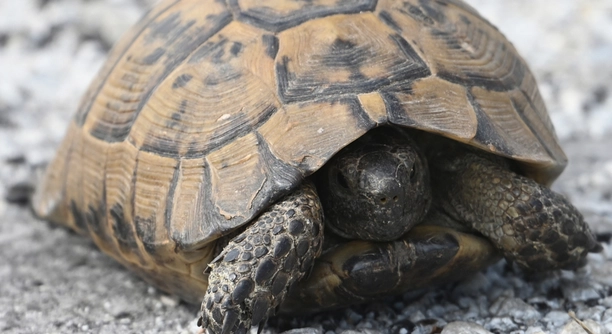
Russian Tortoises are fascinating pets, but they can become overstimulated in certain environments. Understanding their behavior is key to providing them with a safe and comfortable home. This article will help you identify the signs.
Overstimulation in Russian Tortoises occurs when they are exposed to excessive handling, loud noises, or sudden changes in their environment. These stressors can result in behavioral changes, such as rapid movement or hiding, which signal discomfort.
Recognizing overstimulation early is important to ensure your Russian Tortoise remains healthy and content. By understanding the causes and symptoms, you can adjust its environment to prevent unnecessary stress.
Common Signs of Overstimulation in Russian Tortoises
Russian Tortoises are usually calm creatures, but when overstimulated, they can show clear signs of stress. Some common behaviors include excessive pacing, rapid movement, and frantic digging. If your tortoise hides more than usual or appears lethargic, these could also indicate that it is overwhelmed. Stress may cause them to retreat into their shell, refusing to come out even when offered food. Changes in appetite or more aggressive behavior, like biting or hissing, are also signals. It’s important to monitor their behavior closely to catch these signs early and address the cause.
Recognizing overstimulation early helps you avoid longer-term health issues in your tortoise. Keeping track of your pet’s routines and behaviors can alert you to any sudden changes that might indicate stress.
When Russian Tortoises experience overstimulation, their first instinct is often to retreat to a safe space. They may not interact with their environment as they normally would. You may also notice them pacing around their enclosure or becoming fixated on an area, even if there is nothing there. This is their way of trying to cope with the overwhelming feelings they’re experiencing. If they are consistently in hiding or showing aggressive behavior, it could be a sign that they are dealing with more stress than they can handle. Giving them space and reducing external stressors can help them relax and regain their sense of security.
Environmental Stress Factors
A major factor in overstimulation is the environment. If the habitat is too noisy, too bright, or filled with too much activity, your tortoise may become stressed. Even a significant change in its surroundings, such as a new pet in the house, can affect its behavior. Russian Tortoises are more sensitive to their environment than many people realize. Temperature fluctuations, strong lighting, or too much human interaction can all increase stress levels. Providing a quiet, stable space for your tortoise is key to preventing overstimulation.
The right habitat can prevent stress. A quiet, low-traffic area helps keep your tortoise calm.
A Russian Tortoise’s environment should be calm, with minimal disruptions. This includes maintaining consistent lighting and temperature within their habitat. Tortoises need a warm, dry space to regulate their body temperature, and drastic changes can cause them discomfort. Too much light can be irritating to them, leading to overstimulation. If you live in a busy household, it might be worth placing your tortoise’s habitat in a quieter area where they can avoid excessive noise and movement. Even something as simple as adjusting their feeding time to avoid disturbances can help maintain a more peaceful environment. By making these small adjustments, you can create a space where your tortoise feels secure and relaxed.
Overstimulation from Handling
Handling your Russian Tortoise too much can easily overstimulate them. While occasional interaction is fine, excessive handling can make them feel unsafe. If they are constantly picked up or moved, they may become anxious and try to escape their enclosure. This can result in physical signs of stress, like hiding or rapid movements. It’s important to give them time to relax and acclimate to their surroundings.
Russian Tortoises are not as social as some other pets, and too much handling can be overwhelming for them. They prefer to have their space, and when they feel cornered or touched too often, they may become defensive or withdraw into their shell. To maintain a balanced relationship, avoid frequent handling unless necessary. If you need to interact with them, keep it brief and respectful of their boundaries. Allow them to come to you on their terms.
Understanding your tortoise’s personal space is key. If they start to show signs of discomfort during handling, it’s a good idea to put them down and give them space. Always watch for subtle signals, like withdrawal or stiffening, which indicate they’re not enjoying the interaction. Over time, you’ll be able to gauge when your tortoise needs a break from being held or touched. This approach allows them to feel more secure in their environment.
Stress from Changes in Routine
Russian Tortoises are creatures of habit, and they thrive on consistent routines. Any sudden change in their daily schedule, like feeding time or lighting conditions, can cause stress. It may not be immediately obvious, but your tortoise can pick up on even small disruptions, which can leave them feeling overstimulated. Stick to a regular routine to avoid unnecessary stress.
A regular feeding schedule helps your tortoise stay comfortable. Inconsistent meal times can confuse them and disrupt their natural rhythm, leading to stress. Similarly, changes in the habitat, such as moving their enclosure or adding new items, can throw them off. Russian Tortoises do well when they know what to expect. Keeping their routine predictable gives them a sense of security and control over their environment.
Consistency is more than just feeding time. The temperature, lighting, and placement of their habitat should also stay stable. If the tortoise is used to a certain light cycle, sudden changes in day length or artificial lighting can overstimulate them. Creating a predictable and calm space for your tortoise allows them to feel more at ease and helps prevent overstimulation. When in doubt, try to maintain the same environment and habits day after day.
Excessive Noise as a Stressor
Noise can be a major stressor for Russian Tortoises. They have sensitive hearing and loud sounds, such as barking dogs or loud music, can create a constant state of unease. It is important to provide a quiet and calm environment for them to thrive in.
Even normal household noises might be unsettling for your tortoise. Sounds like vacuuming or conversations can disturb their peace. If the area around their habitat is noisy, consider relocating their enclosure to a quieter part of your home. This simple change can help reduce their stress and keep them more comfortable.
Social Interaction and Overstimulation
Russian Tortoises are not overly social animals. While they might tolerate some interaction, too much attention can overwhelm them. Overstimulating social situations, such as frequent visits from children or other pets, may cause your tortoise to retreat into its shell or display signs of aggression. It’s important to respect their need for solitude.
Limit the amount of interaction your tortoise has with others. They don’t need constant socializing to be happy. A calm, peaceful environment where they can feel secure is the best way to help them avoid overstimulation. Your tortoise will appreciate the space and time to relax.
FAQ
How can I tell if my Russian Tortoise is stressed?
If your Russian Tortoise is stressed, you might notice signs like rapid pacing, excessive hiding, or erratic behavior. They may also stop eating or exhibit aggressive behaviors such as biting or hissing. If they seem withdrawn, constantly dig, or show unusual movement patterns, these could all be indicators of stress. Their body language, such as retreating into their shell or becoming more defensive, can also tell you they are not comfortable. Pay attention to any changes in their habits or behavior, as this is a clear signal something is off.
Can overstimulation harm my Russian Tortoise?
Yes, overstimulation can harm your Russian Tortoise. Stress can lead to a weakened immune system, making them more vulnerable to illness. Continuous exposure to stress can also cause them to become less active, stop eating, or display aggressive behavior. Long-term stress can affect their overall well-being and may even shorten their lifespan. It’s crucial to address overstimulation promptly and adjust their environment to help them recover.
What are the best ways to reduce stress for my Russian Tortoise?
To reduce stress, ensure your tortoise’s environment is quiet, stable, and comfortable. Create a consistent routine for feeding, lighting, and temperature. Avoid frequent handling and give your tortoise time to adjust to changes in its habitat. Keeping their space clutter-free and avoiding loud noises can also help. Providing a place for them to hide or retreat when needed will allow them to feel secure. Above all, ensure they are not exposed to sudden disruptions or too much human interaction.
How often should I handle my Russian Tortoise?
Russian Tortoises do not require frequent handling. In fact, it’s better to keep interactions to a minimum to avoid overstimulation. Only handle them when necessary, such as during cleaning or health checks. If you do handle them, keep it brief and calm. Allow them to come out of their shell and approach you at their own pace. This ensures they don’t feel threatened or overwhelmed. Overhandling can lead to stress, so it’s important to balance interaction with their need for solitude.
How can I tell if my tortoise is getting enough exercise?
If your Russian Tortoise is active, moving around its enclosure, and eating well, it’s likely getting enough exercise. They need room to roam, so providing a spacious habitat is essential. You should see them exploring, foraging, and engaging in natural behaviors like digging and climbing. A lack of activity could indicate stress or poor health, while excessive movement, like pacing, might suggest overstimulation. Keep their environment enriched with hiding spots and things to explore, which will encourage exercise and reduce stress.
Should I change my tortoise’s environment if it seems overstimulated?
Yes, changing their environment may be necessary if your Russian Tortoise is overstimulated. Reducing noise and limiting distractions can help them calm down. You might need to move their habitat to a quieter area of your home or adjust the temperature and lighting. Avoid making sudden or frequent changes, as this can stress them even more. Ensure the enclosure is appropriately sized with areas for hiding and retreat, which will help them feel secure and reduce their stress levels.
Is it safe to introduce other pets to my Russian Tortoise?
Introducing other pets, especially other reptiles or animals that might be too active, can be stressful for your Russian Tortoise. It’s generally best to keep them in their own space without the presence of other animals. If you do plan to introduce another pet, ensure it won’t overwhelm your tortoise. Supervise interactions closely and provide each animal with a safe, personal space. Avoid situations where your tortoise could feel threatened or crowded by other pets.
How can I tell if my tortoise is sick due to overstimulation?
If your tortoise is sick due to overstimulation, you may notice changes in their behavior, such as refusing food, increased lethargy, or hiding more than usual. They may also appear weak or have trouble moving. If they’re not acting like their usual self or seem sluggish, it’s important to consult a veterinarian to rule out illness. Stress-induced sickness can weaken their immune system, making them more vulnerable to infections and other health problems. Address the root cause of the overstimulation to help them recover.
What should I do if my tortoise becomes aggressive due to stress?
Aggression in a stressed tortoise can include hissing, biting, or trying to escape. If your Russian Tortoise becomes aggressive, it’s important to give it space and time to calm down. Remove any stressors from its environment, such as loud noises or excessive handling, and create a safe, quiet area for it to retreat. Keep interactions minimal and avoid handling until your tortoise seems more relaxed. Aggression can also be a sign of fear, so it’s important to respect their boundaries and give them time to feel secure again.
Final Thoughts
Taking care of a Russian Tortoise involves paying close attention to its needs and environment. They are calm creatures but can easily become overstimulated if their surroundings or routines are disrupted. By recognizing the signs of stress, such as hiding, pacing, or aggression, you can help your tortoise feel more comfortable. Creating a stable, quiet environment and limiting handling can go a long way in ensuring their well-being. It’s important to observe your tortoise regularly and make any necessary adjustments to its habitat or care routine.
Providing a proper environment is essential for your Russian Tortoise to thrive. A quiet space, away from loud noises or constant movement, will reduce stress and allow your tortoise to relax. You should also maintain a consistent routine for feeding, lighting, and temperature, as sudden changes can overwhelm them. Giving your tortoise time to adjust to its surroundings and ensuring it has a safe place to retreat when needed will help prevent overstimulation. Remember, every tortoise is unique, so it’s important to understand and respect their individual needs.
By understanding the signs of overstimulation and the factors that cause stress, you can make informed decisions about how to care for your Russian Tortoise. Keep in mind that reducing stress is not just about limiting external factors but also being aware of your tortoise’s body language and behavior. Ensuring a calm and secure environment will help your tortoise stay healthy and happy. With the right care, your Russian Tortoise can live a long, comfortable life.

Hello,
If you enjoy the content that we create, please consider saying a "Thank You!" by leaving a tip.
Every little bit helps us continue crafting quality advice that supports the health, happiness, and well-being of pets around the world, for pets of all shapes, sizes, and species.
We really appreciate the kindness and support that you show us!