
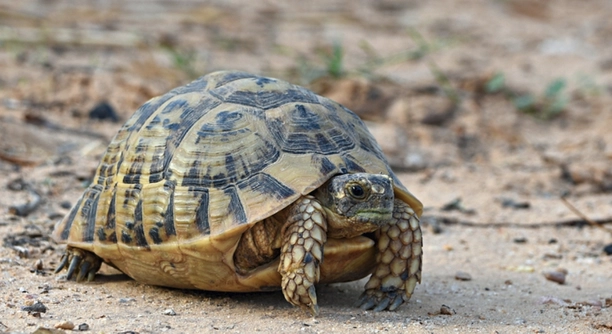
Russian tortoises can be rewarding pets, but their well-being depends on various factors. Knowing how to improve their quality of life ensures they thrive in your care. Small changes can make a big difference in their happiness.
To enhance a Russian tortoise’s quality of life, focus on providing a proper habitat, varied diet, exercise, and mental stimulation. Ensure they have the right environment, including adequate heating, lighting, and space to explore. Regular health check-ups are essential.
By making simple adjustments to your tortoise’s routine and environment, you can create a more comfortable and enriching life for them. This article will help you make those positive changes.
Provide a Spacious and Comfortable Habitat
A spacious and well-equipped habitat is essential for the well-being of your Russian tortoise. Their enclosure should be large enough to allow them to move around freely, which is crucial for their health. Tortoises are active creatures, and they benefit from having room to explore and exercise. The enclosure should have a secure lid to prevent escapes and protect them from predators.
Bedding such as aspen shavings, coconut husk, or paper pellets will help maintain a clean and dry environment. Avoid using sand or gravel, as it may irritate their eyes or cause digestive issues if ingested. Proper lighting is vital for their health, as it supports their metabolism and shell growth. The use of UVB lights will simulate natural sunlight, ensuring they get the necessary nutrients for strong bones.
Maintaining a consistent temperature is another critical aspect. A basking area with temperatures between 90-95°F and a cooler zone of around 70°F will mimic the conditions they would experience in the wild. The tortoise needs warmth to digest food and stay active, but they also need a cooler area to regulate their body temperature.
Offer a Balanced and Varied Diet
A balanced diet is vital for keeping your Russian tortoise healthy. Include a mix of dark leafy greens, such as collard greens and dandelion greens. You can also offer various vegetables like carrots, bell peppers, and squash. Avoid feeding them fruit too often, as it can cause digestive upset.
Proper nutrition promotes strong bones, good digestion, and overall well-being. It’s important to provide a calcium supplement to help with shell health. An occasional addition of high-fiber hay, like timothy hay, will support their digestive system. Always offer fresh water in a shallow bowl to prevent dehydration.
Regular Exercise and Mental Stimulation
Russian tortoises need regular exercise to stay healthy. Providing a large, safe area for them to roam encourages movement. You can also set up a few obstacles, such as tunnels or rocks, for them to climb over. This helps mimic their natural environment and encourages physical activity.
In addition to physical exercise, mental stimulation is just as important. Offer toys like cardboard boxes, hides, or leafy branches that they can explore. Rotate their environment regularly by rearranging their habitat to keep them engaged. Russian tortoises are curious and will enjoy finding new spaces to investigate.
Taking them outside in a safe, enclosed area is also beneficial. The natural sunlight and varied terrain can help keep their minds active and their bodies in shape. Always supervise them while outside to avoid potential hazards.
Health Check-ups and Monitoring
Regular health check-ups are crucial for your tortoise’s well-being. It’s important to monitor their weight, shell condition, and activity level. These can give you a good indication of their overall health. If you notice any changes, such as lethargy or loss of appetite, contact a veterinarian immediately.
Preventative care is just as important as treating illnesses. Regularly check for signs of respiratory infections, shell rot, or parasites. Keeping their enclosure clean will also reduce the risk of bacterial infections. Regularly checking the humidity levels in their environment ensures they don’t become dehydrated.
Maintaining a close relationship with a reptile veterinarian will provide you with peace of mind. They can offer advice on diet, habitat adjustments, and general care.
Proper Lighting and UVB Exposure
UVB light is crucial for your Russian tortoise’s health. It helps them synthesize vitamin D3, which is necessary for calcium absorption and strong bones. Without adequate UVB, they can develop metabolic bone disease. Ensure that the lighting is on for about 10-12 hours a day to mimic natural sunlight.
Replace UVB bulbs every 6 months as their effectiveness decreases over time. Ensure the light is placed close enough to provide proper exposure but not too close to overheat them. Placing the light above the basking area creates a warm zone for optimal health.
Keep the Environment Clean
Cleaning your tortoise’s habitat regularly is essential for their health. Remove uneaten food, waste, and soiled bedding daily. A deep clean of the entire enclosure should be done at least once a week to prevent bacterial growth and odor. A clean space is key to preventing illnesses.
Avoid Overfeeding
Overfeeding can lead to obesity and other health problems. Stick to the recommended amount of food based on your tortoise’s age and size. Providing a variety of fresh greens and vegetables is ideal, but avoid excessive portions. Keeping portions balanced helps maintain a healthy weight and digestion.
FAQ
How often should I feed my Russian tortoise?
Feeding your Russian tortoise every other day is usually enough. Overfeeding can lead to obesity, so it’s important to give them the right amount of food. Offer a variety of leafy greens, vegetables, and occasional flowers, ensuring the food is fresh and clean. Always remove any uneaten food after a few hours to avoid spoilage.
Can Russian tortoises live with other pets?
While it’s possible for Russian tortoises to coexist with other pets, it’s crucial to ensure the safety of both animals. Other pets, particularly larger or more active ones, could unintentionally harm or stress the tortoise. It’s best to provide them with their own secure environment. When introducing a new animal, monitor them closely to avoid any aggressive behavior or territorial disputes.
What temperature should my tortoise’s enclosure be?
Your Russian tortoise needs a warm environment to thrive. The basking area should be around 90-95°F, while the cooler end of the enclosure should be around 70°F. A proper gradient in temperature allows them to regulate their body heat. Avoid sudden temperature fluctuations as they can cause stress or health problems.
How long do Russian tortoises live?
Russian tortoises can live a long time, typically ranging between 40 to 50 years with proper care. This means they require long-term commitment. Providing a stable environment, balanced diet, and regular health checks will help extend their lifespan.
Can I let my tortoise roam around the house?
It’s not recommended to let your Russian tortoise roam freely around the house. The risks of injury or getting stuck in dangerous areas are high. Instead, set up a safe, enclosed area where your tortoise can explore and exercise. This will ensure their safety while still giving them a stimulating environment.
Do I need to bathe my Russian tortoise?
Occasional bathing can help keep your Russian tortoise hydrated and clean. Use warm water and gently place your tortoise in a shallow dish for about 10-15 minutes. Make sure the water isn’t too deep, as they can drown in deeper water. Bathe them every week or as needed, depending on their activity level and the dryness of their environment.
Why is my tortoise not eating?
A lack of appetite could be caused by various factors, such as improper temperature, stress, illness, or insufficient lighting. Check their habitat conditions and make sure they’re within the ideal range. If the problem persists, consult a vet to rule out any health issues. A lack of food intake can be a sign of serious underlying problems.
What should I do if my tortoise has shell rot?
Shell rot is a serious condition that requires immediate attention. It can occur if the shell is exposed to prolonged dampness or poor hygiene. If you notice soft spots or discoloration on the shell, consult a reptile vet right away. They can recommend treatment options and help prevent further damage to the shell.
How do I know if my tortoise is healthy?
A healthy Russian tortoise should be active, with clear eyes and a clean shell. They should eat regularly and maintain a consistent weight. If your tortoise is lethargic, has discharge from its eyes or nose, or refuses to eat, it may be sick. Regular vet check-ups are essential for monitoring their health.
Can Russian tortoises hibernate?
Russian tortoises have a natural hibernation period during the colder months, but this should only occur if the tortoise is healthy and the hibernation process is done correctly. Hibernation can be dangerous if the tortoise is too young, sick, or not properly prepared. Consult a vet for guidance before attempting to let your tortoise hibernate.
Final Thoughts
Caring for a Russian tortoise requires commitment and attention to their unique needs. These reptiles can live for decades, so providing a stable and enriching environment is crucial. They need a proper habitat with the right temperature, lighting, and space to roam. A healthy diet consisting of fresh greens, vegetables, and occasional flowers helps keep them active and strong. Regular health check-ups, along with monitoring their behavior and weight, will ensure they stay in good condition throughout their lives.
Exercise and mental stimulation are also important for a Russian tortoise’s well-being. Offering them enough space to roam and explore, along with safe objects to climb and hide, can keep them engaged and active. Taking them outdoors in a safe, enclosed area allows them to experience natural sunlight, which supports their overall health. Adding variety to their environment and rotating toys or obstacles encourages them to stay mentally sharp, helping to prevent boredom.
With proper care and attention, your Russian tortoise can live a long, healthy, and happy life. Providing the right environment and diet, as well as regular check-ups, can help you avoid health problems and ensure that your tortoise remains a beloved companion for many years. It’s important to stay informed about their needs and to be prepared to adjust their care as they age. By staying consistent with their care routine, you’ll be able to give your tortoise the best chance for a fulfilling life.

Hello,
If you enjoy the content that we create, please consider saying a "Thank You!" by leaving a tip.
Every little bit helps us continue crafting quality advice that supports the health, happiness, and well-being of pets around the world, for pets of all shapes, sizes, and species.
We really appreciate the kindness and support that you show us!