
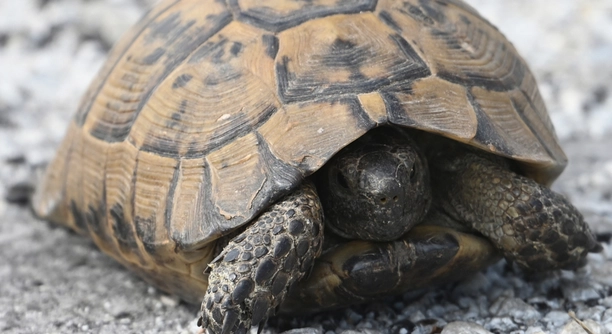
Russian tortoises are known for their unique behaviors, and it’s not uncommon for them to spend time in unusual places. One behavior that may catch your attention is when your tortoise chooses to sleep in its food dish.
The reason your Russian tortoise may sleep in its food dish is usually due to its instinct to seek warmth and security. Tortoises often prefer areas that provide comfort, and food dishes offer a consistent, familiar space for them to rest.
Understanding this behavior helps ensure your tortoise’s well-being and comfort. It also helps you manage its environment better, addressing any concerns that may arise from this sleeping pattern.
Why Russian Tortoises Sleep in Their Food Dish
Russian tortoises are naturally inclined to seek out areas that offer warmth and security. Their food dish often provides both of these needs, as it is a familiar space where they feel safe. This behavior is not typically a cause for concern. Tortoises enjoy warmth, and the material or location of their food dish may offer the perfect temperature for rest. They often rest in these spots because it feels like a safe, protected area. Understanding this behavior is essential in creating a comfortable environment for your pet.
Their choice to sleep in the food dish can also stem from their need for stability. If the dish is kept in a spot with minimal disturbance, the tortoise will naturally associate it with safety. In nature, tortoises often find hidden spots to rest, and the food dish mimics that sense of security.
You may want to observe how your tortoise behaves outside of the food dish to gauge if this is a consistent preference. If your tortoise chooses to sleep in different areas throughout the day, it could indicate that the dish’s location provides the right level of comfort and warmth. Ensuring your pet has access to a suitable resting area, free from stressors, will help maintain their health.
Managing the Sleeping Behavior
If the food dish is not placed in an ideal location, it could lead to issues with your tortoise’s sleep cycle. Some tortoises might become more stressed if their space is constantly disturbed. A quiet, calm place is ideal for both eating and sleeping. Make sure the food dish is in a corner of the habitat where the tortoise can rest without being disturbed by its environment.
Over time, you might notice your tortoise becoming more comfortable with different spaces in its habitat. Experiment with moving the food dish to see if there is a better place where your tortoise feels secure and can sleep more soundly. Be mindful of the temperature, as your tortoise’s comfort will largely depend on finding a warm spot. This simple adjustment could result in a happier and healthier tortoise.
Temperature and Habitat
The temperature in your tortoise’s habitat plays a big role in its behavior. Russian tortoises need a warm environment to thrive, and their food dish often provides the warmth they seek. If the dish is placed in a cool area, they may avoid it for sleeping.
Ensure that the area where you place the food dish maintains a consistent, suitable temperature. Russian tortoises enjoy a temperature range of about 75-85°F (24-29°C). If the dish is near a heat source, it may make sense for your tortoise to gravitate toward it. However, the dish should not be placed in direct sunlight, as this could cause overheating.
If the habitat’s temperature is fluctuating, your tortoise may use the food dish more often to regulate its body heat. It’s important to use a reliable thermometer to monitor the space. A small heat lamp or mat can help create a more consistent warm environment without disturbing the habitat too much.
Feeding Schedule
Your tortoise’s sleeping habits can also be influenced by its feeding schedule. If you’re offering food during times that are not aligned with its natural rhythms, it might cause the tortoise to rest in its food dish after eating. Tortoises are more active during the day and less so at night.
Feed your tortoise during daylight hours, ideally in the morning or early afternoon. After eating, your tortoise may rest and digest in the food dish, which feels like a familiar spot. The timing of meals can influence when and where your tortoise chooses to sleep.
Adjusting feeding schedules can help your tortoise feel more in tune with its natural cycle. Make sure to keep meal times consistent so your tortoise gets used to a routine. This can help reduce stress and make your pet feel secure in its environment.
Stress and Anxiety
Stress can impact your tortoise’s behavior, causing it to seek comfort in its food dish. If your tortoise feels threatened or uncomfortable, it might choose a familiar spot like the food dish to rest and feel secure. Minimizing disruptions can help reduce this behavior.
Make sure the habitat is free from sudden noise or movement. A calm environment encourages your tortoise to stay active and move freely, rather than seeking refuge in its dish. Regularly handling your tortoise in a gentle, consistent manner can also reduce anxiety and promote healthier behavior.
Space and Environment
Your tortoise needs enough space to move around, but a cramped environment might push it to rest in the food dish. If the habitat is too small, your tortoise may settle in the dish more frequently, especially if other areas feel crowded or unsafe.
Ensure that your tortoise has a large enough enclosure with both cool and warm areas. A well-structured environment provides room to roam, which helps your pet feel more comfortable. This setup will also encourage your tortoise to sleep in various areas, not just in the food dish.
FAQ
Why does my tortoise sleep in its food dish?
Your tortoise likely sleeps in its food dish because it finds it warm and secure. Russian tortoises, in particular, are drawn to comfortable and safe areas. The food dish offers a familiar place where they feel protected. It may also provide the right temperature to help them regulate their body heat. If the dish is in a well-heated spot, it may be more comfortable than other areas of the habitat.
Is it okay for my tortoise to sleep in its food dish?
Generally, it’s fine if your tortoise sleeps in its food dish occasionally. However, if it becomes a frequent behavior, it might indicate that something in its habitat is uncomfortable, such as temperature or space issues. Make sure the habitat is set up properly with enough space and proper heating to encourage your tortoise to sleep in various spots.
Should I move the food dish if my tortoise sleeps in it often?
If your tortoise sleeps in its food dish regularly, it might be a sign that the dish is too warm or placed in a spot that feels particularly safe. Try moving the dish to a different area of the enclosure where your tortoise has more room to roam. Make sure the new location is warm but not excessively so, as overheating can cause stress.
How can I prevent my tortoise from sleeping in its food dish?
To prevent your tortoise from sleeping in its food dish, ensure it has multiple comfortable resting areas in the habitat. Try placing a hide box or flat rock in a warm spot where your tortoise can feel secure. Also, check that the temperature in its habitat is consistent and appropriate. Providing a variety of options will help your tortoise feel comfortable without relying solely on the food dish.
How do I know if my tortoise is stressed?
Signs of stress in a tortoise include lethargy, hiding excessively, refusal to eat, and frequent pacing. If your tortoise is sleeping in its food dish more often than usual or seems reluctant to explore other areas of its habitat, it may be experiencing stress. Reducing noise, handling it gently, and ensuring its environment is calm can help alleviate stress.
Can a cold environment cause my tortoise to sleep in its food dish?
Yes, a cold environment can cause your tortoise to seek warmth, which may lead it to sleep in its food dish. Russian tortoises thrive in warm conditions and may gravitate to the dish if it provides the warmth they need. Make sure the habitat has a heat source to maintain a consistent temperature, ensuring your tortoise doesn’t rely on the food dish for warmth.
How often should I change the food dish in my tortoise’s enclosure?
It’s important to clean your tortoise’s food dish regularly to maintain hygiene. Change the dish’s contents daily to prevent the buildup of waste and bacteria. Wash the dish with warm water and mild soap once a week to keep it clean. Keeping the food dish clean will also encourage your tortoise to eat and rest in it without risk of contamination.
Can a dirty food dish cause my tortoise to avoid eating or sleeping?
Yes, a dirty food dish can discourage your tortoise from eating and resting in it. Tortoises are sensitive to cleanliness, and a dish with leftover food or waste may make it uncomfortable. Be sure to clean the dish thoroughly and regularly, as this will help your tortoise feel more secure and comfortable when eating or resting in it.
How do I know if my tortoise is healthy?
A healthy tortoise will have a clear, bright-eyed appearance and will actively move around its habitat. It should have a strong appetite and remain alert when interacting with its environment. If your tortoise seems lethargic, refuses to eat, or shows signs of weight loss, it may indicate health problems that require a visit to a vet.
Should I be concerned if my tortoise always sleeps in the same spot?
If your tortoise sleeps in the same spot, it’s typically not a cause for concern unless it becomes excessive or unusual. Tortoises often develop preferences for particular areas in their habitat. However, if the tortoise is consistently resting in its food dish, consider adjusting the environment to ensure it has enough space and comfort to sleep elsewhere.
Is it safe for my tortoise to sleep in a food dish with food in it?
It’s generally fine for your tortoise to sleep in its food dish as long as the food isn’t a risk. However, it’s important to remove leftover food after feeding to avoid any potential hygiene issues. If your tortoise has a tendency to sleep in the food dish, make sure the food is fresh, and the dish is cleaned regularly.
How can I encourage my tortoise to sleep in different spots?
Provide a variety of resting options in the habitat, such as hides, rocks, and flat surfaces. You can also create different temperature zones to give your tortoise a choice of warm and cool spots. Ensuring the habitat is spacious and well-structured will encourage your tortoise to sleep in different areas, not just its food dish.
What temperature should my tortoise’s habitat be?
Russian tortoises prefer a habitat temperature range between 75-85°F (24-29°C). The temperature should be slightly higher in certain areas to give them the option to regulate their body heat. Make sure the habitat has a warm basking spot, but avoid overheating, as this can cause stress or health problems.
Final Thoughts
If your Russian tortoise keeps sleeping in its food dish, it’s important to understand the potential reasons behind this behavior. While occasional resting in the food dish is normal, it can be a sign of something deeper if it happens frequently. The environment, temperature, and overall health of your tortoise all play a significant role in its actions. By making sure the habitat is properly set up, you can help encourage your tortoise to rest in other spots, reducing its reliance on the food dish. A comfortable, calm, and spacious enclosure is key to your tortoise’s well-being.
Adjusting the habitat to meet your tortoise’s needs is often the best solution. Ensure there are enough places for your tortoise to rest, with a good balance of warmth and cool areas. If your tortoise seems to gravitate toward the food dish for warmth, consider adjusting the temperature in the enclosure. You may need to provide alternative heat sources or create multiple warm zones to give your tortoise the variety it needs. At the same time, make sure the space is large enough to allow your tortoise to move around freely without feeling confined.
Ultimately, if your tortoise’s behavior persists despite making adjustments, it may be worth consulting a veterinarian. Ongoing stress, discomfort, or health issues can also lead to abnormal behavior. A professional can help identify any underlying health concerns and offer advice on how to improve your tortoise’s environment. Taking a proactive approach will help ensure your tortoise remains healthy, comfortable, and happy in its habitat.

Hello,
If you enjoy the content that we create, please consider saying a "Thank You!" by leaving a tip.
Every little bit helps us continue crafting quality advice that supports the health, happiness, and well-being of pets around the world, for pets of all shapes, sizes, and species.
We really appreciate the kindness and support that you show us!