
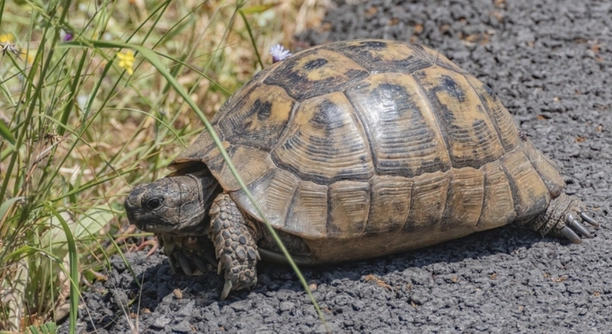
Handling a Russian tortoise requires care and attention. Ensuring its comfort and safety is essential to avoid stress. With the right approach, you can build trust with your tortoise while keeping both of you calm.
The safest way to handle a Russian tortoise involves supporting its body gently with both hands. Always avoid sudden movements, as these can cause stress. Place the tortoise back on a flat surface after handling to prevent injury.
Understanding these steps will help you handle your Russian tortoise safely, ensuring both of you stay calm and comfortable during interactions.
Preparing for Safe Handling
When handling a Russian tortoise, it’s important to create a calm environment. These tortoises are naturally shy, so sudden movements or loud noises can startle them. Start by ensuring the space around you is quiet and free from distractions. Before touching your tortoise, wash your hands to remove any oils or residues that might irritate its sensitive skin. Gently approach the tortoise, avoiding rapid movements that could stress it out. If you need to lift your tortoise, always support its body by holding both sides, as this helps maintain balance. Avoid grabbing it by its legs or tail, as this could cause discomfort or injury. Keeping the handling session brief is key, as too much time outside its enclosure may increase its stress levels.
Keeping a calm environment is essential. After handling, place the tortoise back in its habitat quickly. This allows it to return to familiar surroundings and reduces the chance of stress. Short interactions can help build trust, so be patient.
Over time, your Russian tortoise may begin to tolerate handling more. The key is to move slowly, avoid overhandling, and observe its body language. A relaxed tortoise will be more willing to interact and feel less threatened. Don’t force the interaction, and always respect its space. Handling should never feel like a forced activity but rather a comfortable experience for both of you. Monitoring its behavior after each session will help you understand how much handling is right for your tortoise. If it shows signs of distress, it’s important to stop and give it space.
Knowing When to Avoid Handling
Avoid handling your tortoise when it’s showing signs of stress. Stress indicators include rapid breathing, hiding in its shell, or attempting to retreat into its enclosure. These behaviors mean your tortoise needs a break. If you notice these signs, give it time to relax and regain its calm before trying again.
Handling Techniques to Minimize Stress
When handling your tortoise, always use slow, gentle movements. Avoid sudden grabs that could startle it. Make sure your hands are clean and free of any scents that might be irritating. Support its body evenly and never lift it by its legs or tail, as this can cause injury.
It’s best to keep handling sessions short and simple. A few minutes is all your tortoise needs to feel comfortable with you. Over time, it will become more familiar with being held and may even start seeking your attention. However, never force it into your hands. Let the tortoise approach on its own terms.
To help prevent stress, avoid handling your tortoise immediately after feeding or during shedding periods. These are times when your tortoise may feel vulnerable or irritable. Respecting these natural cycles ensures you don’t add unnecessary pressure, and it helps maintain a good relationship between you and your tortoise.
Creating a Comfortable Environment for Your Tortoise
Providing a safe, comfortable environment is essential for your tortoise’s well-being. Ensure its habitat has ample space to roam, proper lighting, and temperature regulation. The enclosure should also have places where the tortoise can hide when it feels the need to rest or relax.
A good substrate is crucial too. Use a material that mimics its natural environment, such as coconut coir or organic soil. This provides a soft surface for your tortoise to move around on and helps maintain humidity levels. Make sure the habitat is large enough for the tortoise to explore, as mental stimulation is important for its health.
Remember to monitor the humidity and temperature of the enclosure regularly. If the environment is too hot or too cold, it can lead to stress or health problems. It’s important to replicate the tortoise’s natural habitat as much as possible to keep it comfortable and stress-free.
Signs Your Tortoise is Stressed
When your tortoise feels stressed, it may retreat into its shell or show rapid breathing. Other signs include a lack of interest in food or abnormal movements, such as pacing or scratching. It’s important to recognize these behaviors and act accordingly.
If your tortoise displays signs of stress, reduce handling or interactions for a while. Giving it time alone in its enclosure allows it to regain a sense of security. Additionally, check its environment for any potential stressors, such as loud noises, strong scents, or other pets nearby.
Handling Your Tortoise After Feeding
Avoid handling your tortoise right after feeding. At this time, it’s focused on digestion and may become stressed if disturbed. Give it time to eat and rest, ensuring it feels comfortable in its enclosure.
Handling your tortoise before or after eating could cause it to feel vulnerable. Digestion is a sensitive time for reptiles, and unnecessary handling can interrupt the process. If you want to interact with your tortoise, wait at least an hour after feeding.
The Right Time for Tortoise Handling
The best time for handling your tortoise is when it’s active and alert. Typically, this happens during the morning or early afternoon. Avoid picking it up during its resting periods, such as when it’s sleeping or hiding.
By paying attention to its natural rhythm, you’ll help minimize stress and encourage positive interactions.
FAQ
How often should I handle my Russian tortoise?
It’s best to handle your Russian tortoise only a few times a week, especially if it’s still adjusting to you. Start with brief sessions, lasting only 5 to 10 minutes, to avoid overwhelming it. Over time, your tortoise may tolerate longer interactions, but always watch for signs of stress. If it becomes agitated or hides, it’s a clear sign it needs a break. Keep in mind that Russian tortoises, like most reptiles, are solitary animals and don’t require frequent human interaction.
Can I let my Russian tortoise roam outside its enclosure?
Yes, but with caution. If you choose to let your tortoise roam outside its enclosure, make sure the area is safe. You should monitor it closely, as it can easily get lost or find itself in dangerous situations. Be mindful of predators, as outdoor environments may expose your tortoise to threats it’s not equipped to handle. Additionally, make sure the outdoor temperature is within a safe range, as tortoises can overheat or get too cold depending on the weather.
Should I use a leash for my tortoise?
It’s generally not recommended to use a leash for your Russian tortoise. Tortoises have delicate shells and are not meant to be restrained in this manner. A leash can cause discomfort and even injury to their bodies. Instead, focus on creating a safe, enclosed environment where your tortoise can roam freely without restriction. Letting your tortoise explore in a secure area without the added stress of a leash will lead to more natural and stress-free movement.
How can I tell if my tortoise is stressed?
Signs of stress in a tortoise include hiding in its shell, rapid breathing, lack of appetite, and unusual behaviors like pacing or excessive scratching. If your tortoise seems lethargic, refuses to eat, or tries to escape its enclosure, these are indicators that it’s feeling stressed. Stress can also manifest through aggression, where a normally calm tortoise becomes defensive or tries to bite. Paying attention to these behaviors helps ensure you provide the necessary changes in its environment to reduce stress.
Is it safe to bathe my tortoise?
Yes, giving your Russian tortoise a bath is safe and can help keep it hydrated, but it should be done correctly. Fill a shallow container with warm water, ensuring the water level doesn’t exceed the tortoise’s legs. Soak it for around 15 to 20 minutes, but don’t force it to stay in the water if it seems uncomfortable. Avoid using soap or any cleaning chemicals. Bathing should only be done occasionally as a way to encourage hydration and hygiene, not as a regular practice.
Can I let my Russian tortoise interact with other pets?
It’s not advisable to let your Russian tortoise interact with other pets, especially animals that may see it as prey, such as dogs or cats. Even with smaller pets, the tortoise could experience stress due to unfamiliar scents or behaviors. Introducing your tortoise to other pets should be avoided unless you are certain the environment is completely safe. If your tortoise lives with other reptiles, it’s essential to ensure they are compatible and have enough space to avoid territorial disputes.
How do I know if my tortoise is sick?
Signs of illness in your Russian tortoise may include a lack of appetite, swollen eyes, discharge from the nose or mouth, abnormal shell appearance, or lethargy. If your tortoise has difficulty moving or appears stiff, it could be suffering from an injury or a health condition. Any changes in its eating habits or activity level should be addressed immediately. If you notice these symptoms, it’s important to consult with a reptile veterinarian as soon as possible to get an accurate diagnosis and treatment.
Can I feed my tortoise vegetables from my garden?
Yes, you can feed your tortoise certain vegetables from your garden, but make sure they haven’t been treated with pesticides or chemicals. Always wash the vegetables thoroughly before offering them to your tortoise. Safe options include dandelion greens, kale, and collard greens. Avoid feeding them vegetables that are high in oxalates (such as spinach), as these can affect calcium absorption. A varied diet with safe, organic greens is essential for maintaining a healthy tortoise.
How do I create a proper habitat for my Russian tortoise?
To create a proper habitat for your Russian tortoise, ensure the enclosure is spacious, with plenty of room to move around. The substrate should be a mix of organic soil or coconut coir, which provides both comfort and moisture control. Your tortoise also needs a basking spot with UVB lighting to help it metabolize calcium and stay healthy. The temperature inside the enclosure should range from 75°F to 85°F during the day, with a basking area reaching up to 95°F. At night, temperatures can drop to around 65°F. Make sure to include hiding spots and some rocks for climbing to mimic natural conditions.
How long does a Russian tortoise live?
Russian tortoises can live for many years, often reaching 40 years or more with proper care. Their lifespan depends on factors like diet, habitat, and general health. Ensuring that your tortoise has a balanced diet, appropriate environmental conditions, and regular veterinary checkups will help it thrive and live a long, healthy life. Always keep its habitat clean and ensure it has access to proper lighting and temperature control to support its longevity.
Can Russian tortoises eat fruit?
While Russian tortoises are primarily herbivores, they can eat small amounts of fruit as an occasional treat. Fruits like strawberries, apples, and watermelon are fine in moderation. However, fruit should not make up a significant portion of their diet, as it can lead to digestive issues or cause imbalance in their nutrition. A well-balanced diet should consist mainly of dark leafy greens and other high-fiber, low-sugar vegetables.
Final Thoughts
Handling a Russian tortoise requires patience and understanding. These reptiles are not naturally social, so it’s important to let them adjust to human interaction gradually. Overhandling or stressful encounters can lead to anxiety and health problems for your tortoise. Remember, short and calm handling sessions are key, and it’s crucial to respect their space. Giving them time to explore their environment in peace without frequent disturbances will help them feel more comfortable and less stressed. Understanding your tortoise’s needs and behavior is essential in providing them with a healthy and happy life.
Creating a suitable habitat for your Russian tortoise is just as important as how you handle it. The enclosure should mimic its natural environment, with enough space for movement, proper temperature, and UVB lighting to support healthy growth and digestion. Offering the right type of food, mainly leafy greens and vegetables, ensures that your tortoise stays nourished. Keep in mind that these tortoises are solitary creatures, so providing a quiet, secure space without overcrowding is important. Regular cleaning of the enclosure and careful monitoring of its conditions can prevent health issues from arising.
Patience is the most important factor when caring for a Russian tortoise. With the right environment and careful handling, your tortoise will thrive and feel safe in its space. It may take time for your tortoise to adjust to your presence, but with understanding and consistency, it can become more comfortable over time. Always pay attention to signs of stress and illness, and make sure to offer a balanced diet and hydration. By following these guidelines, your Russian tortoise can live a long, healthy life with minimal stress.

Hello,
If you enjoy the content that we create, please consider saying a "Thank You!" by leaving a tip.
Every little bit helps us continue crafting quality advice that supports the health, happiness, and well-being of pets around the world, for pets of all shapes, sizes, and species.
We really appreciate the kindness and support that you show us!