
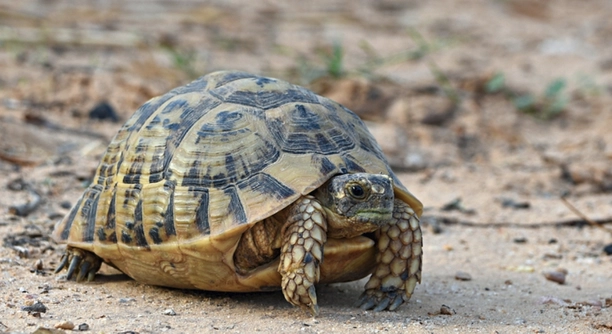
Do you have a Russian tortoise and want to ensure it is getting enough UVB exposure? Proper UVB lighting is essential for their health.
UVB exposure is crucial for Russian tortoises as it helps them synthesize vitamin D3, which is necessary for calcium absorption and bone health. Without adequate UVB, they may suffer from metabolic bone disease and other health problems.
We’ll explore how to recognize the signs that your tortoise may need more UVB light. Understanding these steps is key to keeping your pet healthy and happy.
How UVB Affects Your Russian Tortoise’s Health
UVB lighting is essential for the overall health of your Russian tortoise. Without it, they can’t produce enough vitamin D3, which is vital for absorbing calcium. Calcium is crucial for maintaining strong bones and healthy organs. Without proper UVB exposure, your tortoise may develop metabolic bone disease, a condition that can lead to weak bones, deformities, or even death.
UVB rays simulate the sunlight your tortoise would receive in its natural environment, where they would bask outside to get the needed light.
To avoid health issues, use a UVB light specifically designed for reptiles. Be sure to place the light close enough to your tortoise’s basking area but not too close to cause harm. The UVB bulb should be replaced every six months because its effectiveness decreases over time. It’s also essential to monitor your tortoise’s behavior, such as basking habits, which could give you clues about their exposure to UVB light.
Signs of Insufficient UVB Exposure
If your Russian tortoise isn’t getting enough UVB, you may notice a few warning signs.
Signs include lethargy, a lack of appetite, and weakness. These can all indicate a deficiency in vitamin D3 or calcium. When this happens, your tortoise may not want to move or eat as much, and its shell could become soft or deformed over time. Another concern is when a tortoise fails to bask properly, which is essential for absorbing UVB rays. Tortoises that lack UVB exposure may hide more often or sit in places with poor lighting.
To prevent these issues, it’s important to consistently check your tortoise’s environment and behavior. Proper UVB exposure is key for maintaining a healthy, active tortoise. If you’re unsure, consult with a reptile vet for guidance.
Choosing the Right UVB Light for Your Russian Tortoise
When selecting a UVB light, you need one that specifically provides UVB rays, not just UVA. Reptile-specific UVB bulbs are the best choice. Make sure the bulb is appropriate for the size of your tortoise’s enclosure. You can find bulbs that mimic the full spectrum of sunlight, which will ensure proper vitamin D3 production.
The right bulb should emit UVB rays strong enough to penetrate the glass or screen of your tank. UVB light loses intensity with distance, so place the bulb close to where your tortoise basks. Typically, UVB lights should be mounted 6-12 inches above the basking area. It’s important to adjust the distance regularly to maintain proper exposure.
Don’t forget that UVB lights degrade over time, so even if the light still works, it may not provide the necessary UVB exposure. Replace bulbs every 6 months, even if they appear functional.
Importance of Proper Basking Area Setup
The basking area is where your tortoise will absorb UVB rays. To set it up correctly, place the UVB light near a flat, safe surface for basking. This ensures that the light will be effective in providing the needed UVB exposure.
Ensure that the basking area is a warm spot, usually between 90-95°F, as this temperature range is crucial for digestion and overall health. You should also include a cool area in the enclosure so your tortoise can regulate its body temperature. Having a clear distinction between hot and cool areas will allow your tortoise to move freely between the two, optimizing basking time and UVB absorption.
A thermometer and hygrometer are essential tools to maintain the proper temperature and humidity levels in the habitat. Keep the basking light on a timer, ensuring it runs for about 12 hours a day to mimic a natural day/night cycle.
Monitoring Your Russian Tortoise’s Behavior
Your tortoise’s behavior is a key indicator of whether it is getting enough UVB exposure. If it spends too much time hiding or staying inactive, it might not be receiving the necessary light. Basking is a natural behavior that indicates proper UVB absorption.
When your tortoise is consistently basking, it is a good sign that it is getting adequate UVB exposure. If it’s avoiding the basking area or rarely basking, this could indicate an issue. Make sure the UVB light is positioned well to encourage basking. If the tortoise doesn’t bask even after adjustments, consider increasing the exposure or switching to a more effective light.
The Importance of Diet and UVB
Diet plays a role in how your tortoise absorbs and uses the nutrients from UVB exposure. A proper diet full of calcium-rich foods, like dark leafy greens, supports the health benefits of UVB light. Without this, your tortoise may not fully benefit from the UVB rays.
Replacing UVB Lights Regularly
UVB lights lose their effectiveness over time, even if they still appear to be working. Replacing the light every 6 months ensures that your tortoise continues to get the proper UVB exposure.
FAQ
How do I know if my Russian tortoise is getting enough UVB exposure?
If your Russian tortoise is basking regularly, eating well, and staying active, it’s a good sign that it’s receiving enough UVB exposure. However, if your tortoise is lethargic, hides often, or shows a lack of appetite, it could be a sign that it’s not getting the necessary UVB light. Watch for these behaviors, and check the placement and condition of the UVB light. Adjustments to the distance or angle of the light may be needed. If these issues persist, it’s best to consult a veterinarian.
How long should I leave the UVB light on each day?
UVB lights should be on for about 12 hours a day, simulating a natural day/night cycle. A timer is a helpful tool to maintain consistency. Your tortoise needs regular exposure to UVB rays, and having a set schedule helps regulate its circadian rhythm. This consistent light cycle supports natural behaviors like basking and helps with calcium absorption.
Can I use a regular light bulb instead of a UVB bulb?
No, a regular light bulb will not provide the necessary UVB rays. UVB is essential for vitamin D3 production, which is crucial for calcium absorption. Without proper UVB exposure, your tortoise can develop metabolic bone disease and other health problems. Always use a UVB-specific bulb designed for reptiles.
How far should the UVB light be from my tortoise?
The UVB light should be placed 6-12 inches above the basking area. This ensures that the light is strong enough to be effective while remaining safe for your tortoise. UVB rays lose intensity with distance, so positioning the light too far away will reduce its effectiveness. Regularly check the distance and adjust the light if necessary.
Can my tortoise get UVB from a window?
No, glass or plastic filters out UVB rays. If you keep your tortoise near a window, it won’t get the UVB exposure it needs. While sunlight through a window may provide visible light and heat, it won’t offer the essential UVB rays for proper health. A proper UVB bulb is still necessary, even if your tortoise has access to natural sunlight.
Is UVB exposure the only thing I need to worry about for my tortoise’s health?
UVB exposure is important, but it’s not the only factor for a healthy tortoise. A proper diet, the right humidity and temperature levels, and a suitable habitat are all equally essential. Provide a balanced diet with calcium-rich foods, like leafy greens, and make sure the temperature in the enclosure is within the proper range, with a cool area for your tortoise to retreat to when needed.
How do I maintain the right temperature for my tortoise’s basking area?
To maintain the correct basking temperature, use a heat lamp or ceramic heat emitter. The basking area should be between 90-95°F. Make sure there is a cooler area in the enclosure as well, with temperatures around 75-80°F, so your tortoise can move between the two areas to regulate its body temperature. A thermometer is essential to monitor the temperature consistently.
How often should I replace the UVB bulb?
UVB bulbs should be replaced every 6 months. Over time, the UVB output of the bulb decreases, even if the light still appears to work. Regularly replacing the bulb ensures that your tortoise is receiving the proper UVB exposure. Marking the date of installation on the bulb can help you keep track of when to replace it.
Do I need to supplement with vitamin D3 if my tortoise gets UVB exposure?
If your tortoise is getting proper UVB exposure, you generally do not need to supplement with vitamin D3. The UVB light helps your tortoise produce the necessary vitamin D3 from its food. However, if you notice signs of deficiency or your tortoise is not basking properly, a D3 supplement might be needed, but always consult with a veterinarian before adding any supplements to their diet.
What type of UVB bulb is best for my Russian tortoise?
A full-spectrum UVB bulb that provides UVB and UVA rays is best for your Russian tortoise. UVB bulbs are measured by the amount of UVB they emit, with higher percentages providing more exposure. A bulb with a UVB output of 10-12% is usually sufficient for a tortoise’s habitat. Make sure the bulb is appropriate for the size of your enclosure and placed correctly to maximize the UVB exposure your tortoise needs.
Can I use a compact UVB bulb instead of a tube-style bulb?
Compact UVB bulbs can be used, but tube-style bulbs are generally recommended for larger enclosures. Tube-style bulbs provide more even coverage across the enclosure, while compact bulbs may concentrate UVB light in a smaller area. If using a compact bulb, make sure the UVB rays are strong enough and properly positioned to reach your tortoise.
Why isn’t my tortoise basking even though it has UVB light?
If your tortoise isn’t basking despite having UVB light, it may not be comfortable with the setup. Check the placement of the light to ensure it’s positioned correctly and at the right distance. It could also be a sign that the temperature isn’t right, or the light isn’t strong enough. Make sure the basking area is warm enough (90-95°F) and that there’s a cool zone for your tortoise to retreat to. If these factors are all in place, it may be time for a vet check-up.
Final Thoughts
Proper UVB exposure is essential for the health of your Russian tortoise. Without it, your tortoise cannot produce the vitamin D3 it needs to absorb calcium, which is crucial for maintaining strong bones and overall well-being. If your tortoise isn’t getting enough UVB, it could develop serious health issues, such as metabolic bone disease. Ensuring that your tortoise has access to a high-quality UVB light, positioned correctly, is one of the most important steps you can take to keep it healthy and active.
In addition to UVB lighting, other aspects of care such as diet, temperature, and humidity should not be overlooked. Providing a balanced diet with plenty of calcium-rich foods like dark leafy greens will help your tortoise make the most of the UVB exposure. Likewise, maintaining the right temperatures in its enclosure will allow your tortoise to regulate its body heat properly, encouraging healthy digestion and activity. Creating an environment that meets all these needs will give your tortoise the best chance at thriving.
Regularly checking the condition of your UVB bulb is crucial. UVB bulbs lose their effectiveness over time, so it’s important to replace them every 6 months. This will ensure that your tortoise is getting the right amount of UVB exposure to maintain its health. If your tortoise shows signs of deficiency, such as lethargy, loss of appetite, or a lack of basking, it’s time to take a closer look at its UVB lighting setup. With proper care and attention to UVB exposure, your tortoise can live a long, healthy life.

Hello,
If you enjoy the content that we create, please consider saying a "Thank You!" by leaving a tip.
Every little bit helps us continue crafting quality advice that supports the health, happiness, and well-being of pets around the world, for pets of all shapes, sizes, and species.
We really appreciate the kindness and support that you show us!