
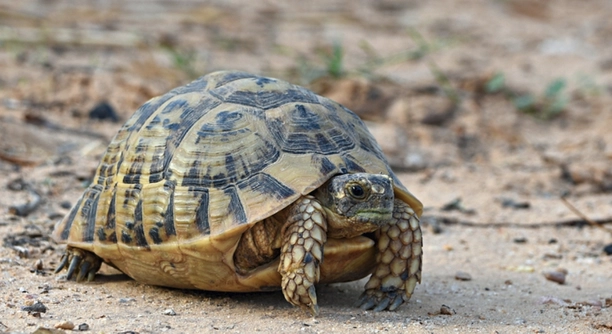
Russian tortoises are popular pets, known for their gentle nature and long lifespan. However, you may have noticed that your tortoise sometimes seems a little disoriented or confused. Understanding why this happens can help you take better care of your pet.
Your Russian tortoise may appear disoriented due to environmental factors, illness, or stress. Improper habitat conditions like temperature, humidity, or lighting can disorient your tortoise, as can changes in diet or sudden shifts in its surroundings.
By learning the reasons behind this behavior, you can adjust their environment and routines for a more comfortable life. Identifying these factors early will help ensure your tortoise thrives in a safe and familiar setting.
Possible Environmental Issues
A disoriented Russian tortoise could be reacting to environmental factors. They thrive in a controlled habitat with specific temperature and lighting conditions. If the enclosure is too hot or cold, your tortoise may seem confused or sluggish. Proper lighting is also crucial, as tortoises rely on natural light patterns to regulate their daily cycles. Without enough UVB light, they can become weak and disoriented. Additionally, a dirty or overcrowded enclosure can cause stress, leading to unusual behaviors. It’s important to recreate a habitat similar to their natural environment as closely as possible.
Check the temperature and humidity levels in the habitat to make sure they are within the ideal range. You can adjust their light exposure by using proper UVB bulbs and allowing for day-night cycles. Regular cleaning will help keep stress levels low.
If you notice any signs of stress or disorientation, consider making small changes to the environment. A few adjustments could make a significant difference in your tortoise’s behavior and overall well-being.
Health Concerns to Consider
Health issues may also cause a Russian tortoise to act confused. Respiratory infections, parasites, or other illnesses can affect their balance and coordination. Often, this will be accompanied by a loss of appetite, lethargy, or nasal discharge. If you notice these symptoms, it’s essential to take your tortoise to a vet who specializes in reptiles.
A proper diagnosis is the first step toward resolving the issue and ensuring that your tortoise receives the correct treatment. Sometimes, these health issues can be traced back to poor diet or inadequate living conditions. Ensuring your tortoise has a balanced diet of leafy greens and calcium-rich foods can prevent nutritional deficiencies, which can also affect their behavior.
Pay attention to your tortoise’s overall condition. If your pet is acting unusually disoriented, it’s better to be cautious and consult a vet. Early intervention will help prevent more serious health issues down the line.
Stress from Handling
Frequent handling of your Russian tortoise can cause stress, leading to disorientation. Tortoises are naturally shy and prefer a peaceful environment. When they are held too often or roughly, it can make them feel unsafe, affecting their behavior. Handling should be limited to reduce this stress.
If you find your tortoise acting disoriented after being handled, it might be overwhelmed by the experience. Tortoises rely on their environment for stability, and constant interaction disrupts that sense of security. Try to observe your tortoise in its habitat instead of picking it up. This will allow it to feel more at ease.
In general, handling should be gentle and infrequent. Let your tortoise approach you on its own terms. Over time, this will help your pet feel more comfortable and confident, reducing signs of disorientation. If handling is necessary, keep it brief and try to minimize stress as much as possible.
Poor Diet
A poor diet could be a reason behind a disoriented Russian tortoise. If they’re not getting the proper nutrition, it can affect their behavior. Tortoises need a mix of leafy greens, vegetables, and some fruits. A lack of calcium or vitamins can cause weakness and confusion.
Tortoises, like all reptiles, rely on a balanced diet to stay healthy. If they’re not getting enough fiber or essential nutrients, it could lead to lethargy or difficulty moving around. A calcium deficiency, in particular, is linked to shell deformities and disorientation. To keep your tortoise healthy, ensure a variety of fresh greens are offered daily.
Check your tortoise’s diet regularly to ensure they’re receiving proper nutrition. If you’re unsure, consult a vet for dietary recommendations. Over time, providing the right food will support your tortoise’s health and reduce instances of confusion or disorientation. A small change in their diet can make a big difference.
Inadequate Space
If your Russian tortoise doesn’t have enough room to roam, it may become disoriented. Tortoises need ample space to move around, dig, and explore. A cramped enclosure can restrict their natural behaviors, leading to confusion or frustration. Make sure their habitat is spacious enough.
Providing a larger space allows your tortoise to feel more at home and encourages healthy activity. They need space to walk and forage to stay mentally and physically stimulated. If their living area feels too small, they may act strangely, appearing disoriented. Ensure there are hiding spots to reduce stress.
Temperature Fluctuations
Temperature fluctuations can disorient your Russian tortoise. They rely on a stable temperature range to regulate their body and activity levels. If the temperature in the habitat changes too drastically, your tortoise may appear confused or lethargic. Ensure a consistent heat source.
Make sure there is a proper basking area for your tortoise with temperatures around 85°F to 90°F, while the cooler side should range between 70°F and 75°F. If your tortoise is exposed to temperatures outside this range, it may become stressed, leading to disoriented behavior. Use a thermometer to keep track.
Poor Lighting
Lack of proper lighting can cause confusion for your tortoise. Russian tortoises need UVB light to stay healthy and active. Without it, they may suffer from disorientation, weakness, or lethargy. A good UVB light is essential for their well-being.
In the wild, tortoises are exposed to natural sunlight, which helps them regulate their body functions. If their enclosure lacks proper lighting, it can cause health problems, including disorientation. A UVB bulb should be used for 10-12 hours daily to replicate natural light. Without this, they may struggle to navigate or become stressed.
FAQ
Why is my Russian tortoise acting disoriented?
Your Russian tortoise may appear disoriented due to various factors such as environmental issues, health problems, or stress. Factors like improper temperature, humidity, lighting, or diet can lead to confusion or lethargy. Stress from handling or a cramped enclosure may also contribute to disoriented behavior. Health problems like respiratory infections or parasites can also cause confusion and disorientation. It’s important to ensure their habitat is appropriate and to monitor their health closely.
How can I make sure my tortoise has the right temperature?
A proper temperature range is crucial for your Russian tortoise’s well-being. The basking area should be between 85°F and 90°F, while the cooler side of the habitat should be between 70°F and 75°F. Use a reliable thermometer to monitor the temperature and ensure it stays within these ranges. Avoid drastic temperature fluctuations, as they can cause stress and confusion. A heat lamp or ceramic heater can help maintain consistent warmth in their enclosure.
Can poor lighting cause disorientation in my tortoise?
Yes, inadequate lighting can lead to disorientation in your Russian tortoise. UVB lighting is essential for their health, helping them produce vitamin D3, which is necessary for calcium absorption. Without proper UVB light, your tortoise may become lethargic or confused. Ensure that you provide a UVB bulb for 10-12 hours a day. Replace the bulb regularly, as UVB bulbs lose their effectiveness over time.
Is it okay to handle my Russian tortoise often?
Handling your tortoise too often can cause stress, which may result in disoriented behavior. Tortoises are naturally shy animals, and frequent handling disrupts their sense of security. Try to limit handling and only pick up your tortoise when necessary. If you need to handle your tortoise, be gentle and allow them to approach you at their own pace. Let them explore their habitat freely to feel more at ease.
How much space does my Russian tortoise need?
Russian tortoises require ample space to roam and explore. A small enclosure can cause them to feel stressed and disoriented. A minimum of 4 feet by 2 feet of space is recommended for an adult tortoise, but larger enclosures are always better. Ensure there are areas for digging and hiding to provide mental stimulation and comfort. If your tortoise feels cramped, it may show signs of stress, including disorientation.
What should I feed my Russian tortoise to keep it healthy?
Your Russian tortoise should be fed a variety of leafy greens, vegetables, and some fruits. Foods like dandelion greens, collard greens, and kale are great options. Avoid feeding them too much fruit, as it can lead to digestive issues. Calcium is essential for their shell and bone health, so provide foods rich in calcium or use a calcium supplement. Ensure they are getting enough fiber, which helps with digestion and overall health. A poor diet can lead to weakness and disorientation.
What should I do if my tortoise is showing signs of illness?
If your tortoise is showing signs of illness, such as loss of appetite, lethargy, nasal discharge, or abnormal behavior, it’s important to consult a vet. Health issues like respiratory infections or parasites can cause disorientation. A vet will be able to diagnose the issue and recommend the proper treatment. Don’t wait for the condition to worsen, as prompt care is essential to prevent serious complications.
Can I use a heat mat for my tortoise?
While a heat mat can help maintain warmth in certain areas of the habitat, it shouldn’t be the only heat source for your Russian tortoise. Tortoises require a basking area with direct heat from a lamp to regulate their body temperature. A heat mat can be used to maintain the cooler side of the enclosure but should not replace a heat lamp. Always monitor the temperature in your tortoise’s enclosure to ensure it remains within the ideal range.
Why is my Russian tortoise not eating?
A loss of appetite in your Russian tortoise can be caused by several factors, including stress, illness, or poor diet. If their habitat conditions are not ideal, they may become stressed, leading to a lack of interest in food. Illnesses such as respiratory infections or digestive issues can also cause a decreased appetite. Make sure their environment is comfortable, and their diet is appropriate. If the loss of appetite persists for more than a few days, it’s best to visit a vet.
How do I keep my Russian tortoise’s enclosure clean?
Keeping your tortoise’s enclosure clean is essential for their health. Remove uneaten food daily to prevent mold and bacteria from growing. Clean the substrate regularly, and change it when necessary. It’s important to disinfect the water dish and any surfaces the tortoise frequents to prevent bacterial growth. Deep clean the enclosure every 1-2 weeks, and replace the lighting and heating elements as needed. A clean environment helps reduce stress and supports overall well-being.
What are the signs of dehydration in a Russian tortoise?
Dehydration can cause your tortoise to act lethargic or disoriented. Signs of dehydration include dry, wrinkled skin, sunken eyes, and a lack of appetite. Make sure your tortoise has constant access to fresh, clean water. Some tortoises may also benefit from occasional soaking in lukewarm water to help with hydration. If you suspect your tortoise is dehydrated, offer water and consult a vet if the symptoms don’t improve.
Can my Russian tortoise live with other pets?
Russian tortoises are solitary creatures and should be housed alone. They may become stressed if placed with other pets, particularly if the other animals are more aggressive. Sharing a space could cause territorial disputes, leading to stress and confusion. It’s best to keep your tortoise in its own space to maintain its health and well-being.
Final Thoughts
Caring for a Russian tortoise requires attention to detail, especially when it comes to their environment, diet, and health. Disorientation in tortoises is often linked to factors such as stress, improper habitat conditions, or health issues. Understanding the causes behind this behavior can help you create a better environment for your pet. Once you identify potential issues, you can take steps to correct them and ensure that your tortoise feels comfortable and secure in its space.
Regularly checking your tortoise’s habitat and monitoring its health is essential. Pay attention to the temperature, lighting, and space to make sure they are all within the ideal range for your tortoise. A proper diet, rich in leafy greens and calcium, will keep your tortoise healthy and prevent nutritional deficiencies that can lead to confusion or lethargy. Be mindful of how often you handle your tortoise, as too much stress from frequent handling can also cause disorientation. A peaceful environment where your tortoise feels safe will help it thrive.
If you notice persistent signs of disorientation or other unusual behaviors, it’s always a good idea to consult a vet who specializes in reptiles. They can provide a diagnosis and guide you in addressing any health concerns. By making sure your tortoise’s needs are met, you can help it live a long, healthy, and happy life. It’s all about creating a balanced, stable environment and paying attention to small details that can make a big difference in your tortoise’s well-being.

Hello,
If you enjoy the content that we create, please consider saying a "Thank You!" by leaving a tip.
Every little bit helps us continue crafting quality advice that supports the health, happiness, and well-being of pets around the world, for pets of all shapes, sizes, and species.
We really appreciate the kindness and support that you show us!