
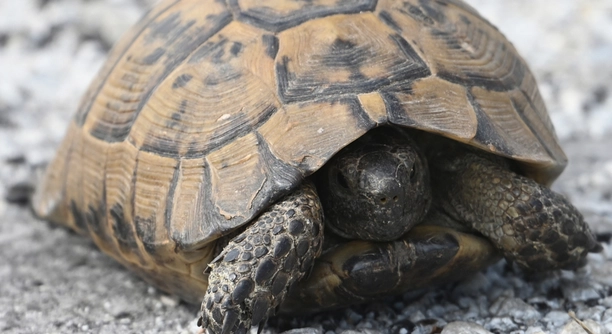
A Russian tortoise flipping over may be a puzzling behavior for many pet owners. Understanding the reasons behind this habit can help you provide a safer, more comfortable environment for your little friend.
The primary cause of your Russian tortoise trying to flip over is often an imbalance in its environment. Factors such as excessive humidity, too-slick surfaces, or even poor habitat design may contribute to this behavior.
By addressing these environmental aspects, you can ensure your tortoise’s well-being. There are a few adjustments to consider that can make a big difference.
Common Environmental Issues That Can Cause Flipping
One of the most common reasons why your Russian tortoise may keep flipping over is an improper habitat setup. If the surfaces in their enclosure are too slippery, they might struggle to get traction, causing them to fall over. This can happen on smooth floors or in tanks with slick surfaces. Additionally, if the humidity levels are too high or the area is too damp, it can lead to discomfort, and your tortoise may try to flip itself back upright when it feels off balance.
Creating a stable environment with the right substrate and floor type can prevent this. A soft, textured surface like coconut husk or reptile carpet can provide better traction.
Another consideration is how you arrange objects in their enclosure. If there are items that are too close together or unstable, your tortoise may bump into them and end up on its back. Be sure the tank is spacious enough to give your tortoise room to roam without feeling cramped or restricted.
Improper Diet or Overfeeding
The way you feed your tortoise can also play a role. If it’s eating too much, it may become overweight, making it harder to right itself when flipped. Additionally, improper food choices can lead to sluggish behavior and poor movement. Keep a balanced diet that focuses on high-fiber, low-calcium foods like leafy greens.
Examine their eating habits, and try to adjust their portions accordingly. Avoid giving them too much food at once, especially high-calcium items that could contribute to excessive weight gain. A healthy tortoise is much less likely to get stuck in such a vulnerable position.
Incorrect Temperature and Lighting
Temperature imbalances can also cause your tortoise to flip over. Russian tortoises need a proper heat gradient in their habitat, with a warm basking spot and cooler areas for resting. If the enclosure is too hot or cold, your tortoise may become lethargic and struggle to right itself.
Maintaining an appropriate temperature can help your tortoise stay active and prevent flipping. A temperature of 75-85°F is ideal for daytime, with a basking area that reaches around 90-100°F. Ensure you have a proper heat lamp, and don’t forget a night-time drop to 60-70°F.
Proper lighting also plays a significant role. Without access to UVB light, your tortoise may become weak or suffer from shell deformities, which could impact its ability to right itself. Make sure the light is positioned correctly and replace bulbs as needed to maintain a healthy environment.
Tortoise Activity Levels
Activity levels are crucial in keeping your Russian tortoise balanced. If it spends most of its time inactive, it might not have the muscle strength or coordination to correct itself. A lack of physical exercise may lead to flipping when it tries to move but lacks the energy to keep its body steady.
You can help improve your tortoise’s muscle strength by providing enough space to move freely and engaging it in simple tasks like foraging. Hide food around its habitat so it can explore and naturally work its muscles. Also, avoid overcrowding the tank with too many decorations or obstacles that could block its movement.
An active tortoise will develop better control over its body and will be less likely to tip over. Remember that every tortoise has its own natural pace, but consistent exercise is key to helping your pet grow stronger and stay healthy.
Stress and Anxiety
Stress can cause your Russian tortoise to act out, including flipping over. Changes in its environment, loud noises, or new pets can trigger anxiety. Stress weakens their ability to react properly, causing them to become disoriented.
If your tortoise is constantly stressed, it may flip over more often. To reduce anxiety, maintain a quiet and stable environment. Keep its tank away from loud sounds and abrupt changes, and limit handling to avoid stress overload.
Tortoises are sensitive creatures, and their well-being relies on a calm, secure space where they feel safe and in control of their surroundings.
Shell Issues
An unhealthy shell can affect your tortoise’s ability to move or right itself. If there’s damage or deformity, it could cause them to become unstable. Look for cracks or soft spots on the shell, as these can make it harder to flip back over.
Shell health is critical to a tortoise’s overall function. A well-maintained shell offers better protection and support. Ensure it gets enough calcium and UVB light to keep the shell strong. Any signs of injury should be addressed immediately by a veterinarian to prevent long-term problems.
FAQ
Why does my Russian tortoise keep flipping over?
Your Russian tortoise might be flipping over due to several factors. The most common causes are an improper habitat setup, like slippery surfaces or poor temperature and humidity control. It could also be related to diet, weight issues, or stress. If the tortoise is overweight, it may struggle to right itself. Environmental issues, such as incorrect lighting or inadequate space for movement, may also contribute to this behavior.
How can I prevent my tortoise from flipping over?
To prevent flipping, make sure your tortoise has a proper habitat. Use a substrate that provides traction, such as coconut husk or reptile carpet, to reduce slipping. Maintain the correct temperature and humidity levels in the enclosure. Also, avoid overcrowding the tank and make sure it has enough space to move around comfortably. Regularly check for any signs of stress and address them promptly.
Can my tortoise’s diet cause it to flip over?
Yes, an improper diet can contribute to your tortoise flipping over. Overfeeding or feeding a diet high in fats or calcium can cause your tortoise to become overweight, which makes it harder to right itself. A balanced diet is crucial for maintaining a healthy weight and ensuring that your tortoise has the energy to move and avoid flipping. Offer high-fiber, low-calcium foods such as leafy greens, and make sure to monitor portion sizes.
What are the signs of stress in a Russian tortoise?
Stress in a Russian tortoise can show up in different ways. Some common signs include loss of appetite, lethargy, excessive hiding, and abnormal behavior such as constantly trying to flip over. Stress may result from changes in their environment, loud noises, or too much handling. If your tortoise seems stressed, provide a calm, quiet space and avoid any drastic changes to its living conditions.
Is my Russian tortoise’s shell affecting its ability to right itself?
Yes, shell issues can affect your tortoise’s ability to flip back over. A damaged or weakened shell can make it harder for the tortoise to maintain balance. Make sure to regularly check your tortoise’s shell for any cracks, soft spots, or signs of injury. A healthy shell provides support, and regular calcium intake, along with UVB lighting, helps keep it strong.
What temperature is best for my Russian tortoise’s environment?
Russian tortoises need a specific temperature gradient in their enclosure. The warm basking area should be between 90-100°F, while the cooler end should range from 75-85°F. This helps them regulate their body temperature and stay active. Ensure that your tortoise has access to both heat and a cooler area so it can regulate itself. Also, make sure to keep nighttime temperatures between 60-70°F.
How often should I feed my Russian tortoise?
Feeding frequency depends on the age of your tortoise. Young tortoises require food every day, while adults can be fed every other day. A balanced diet of leafy greens like collard greens, dandelion greens, and kale should be the main component of their meals. Avoid feeding fruits and vegetables too frequently, as these can lead to imbalanced nutrition. Keep portions moderate to prevent overeating and obesity.
What if my tortoise is constantly inactive and not moving much?
Inactivity in your tortoise may be a sign of poor health, stress, or an improper environment. If your tortoise is sluggish and not moving, check its habitat conditions. Are the temperature, humidity, and lighting correct? Lack of UVB light or extreme temperatures can cause lethargy. Additionally, ensure the tortoise is eating a proper diet. If inactivity persists, consult a veterinarian to rule out illness.
Is it dangerous if my Russian tortoise flips over frequently?
While occasional flipping is generally not harmful, frequent flipping can lead to injuries, especially if your tortoise struggles to right itself. This could cause stress or physical harm, particularly if it gets stuck for a long time or falls onto hard surfaces. To avoid this, adjust your tortoise’s environment to address the causes of flipping.
How can I tell if my Russian tortoise is overweight?
If your tortoise has difficulty moving or righting itself, it may be overweight. You can assess its body condition by gently feeling its shell and body. The ribs should not be easily felt through the shell, and the tortoise should have a balanced, oval shape. If it appears bloated or has trouble walking, it’s time to adjust its diet and monitor its weight more closely.
Can I handle my Russian tortoise without causing it stress?
Yes, you can handle your tortoise, but it’s important to do so gently and for short periods of time. Over-handling can cause stress, so it’s best to avoid excessive interaction, especially if your tortoise seems nervous or uncomfortable. Let your tortoise come to you on its own terms, and always ensure it has a safe space to retreat to when it feels stressed.
What can I do if my Russian tortoise keeps flipping despite addressing the environment?
If your tortoise continues to flip over even after you’ve made changes to its habitat, it might have an underlying health issue. This could range from neurological issues to shell deformities. Consulting a veterinarian who specializes in reptiles is the best option to rule out any health concerns. Keep monitoring the tortoise’s behavior closely and seek professional help if needed.
Final Thoughts
If your Russian tortoise keeps trying to flip over, it’s important to consider several factors. The most common reasons are related to its environment, diet, or overall health. A proper habitat is key, with surfaces that offer enough grip, the right temperature, and enough space for the tortoise to move freely. If the tortoise feels stressed or uncomfortable in its surroundings, it may not be able to maintain balance, causing it to flip over. Additionally, making sure the tortoise is not overweight and is fed a balanced diet can help reduce the chances of flipping.
Monitoring the temperature and humidity in the enclosure is essential to your tortoise’s well-being. Russian tortoises need a warm basking area and a cooler zone to regulate their body temperature. Without this temperature gradient, your tortoise may become lethargic, leading to an increased risk of flipping. Similarly, lighting plays an important role. Without proper UVB lighting, the tortoise’s shell health could suffer, and this can also affect its ability to move freely. Ensuring your tortoise gets proper light and warmth is a simple yet crucial way to prevent flipping.
While habitat and health are the most common causes, don’t forget that stress can also lead to flipping. Changes in the environment, handling, or new pets can make your tortoise feel anxious. This stress can disrupt its ability to move, making flipping more likely. Create a calm and stable environment for your tortoise, and be mindful of how frequently you handle it. If after addressing these factors your tortoise continues to flip, it might be a good idea to visit a reptile vet to rule out any health issues. Taking a few simple steps can help ensure your tortoise stays safe and comfortable.

Hello,
If you enjoy the content that we create, please consider saying a "Thank You!" by leaving a tip.
Every little bit helps us continue crafting quality advice that supports the health, happiness, and well-being of pets around the world, for pets of all shapes, sizes, and species.
We really appreciate the kindness and support that you show us!