
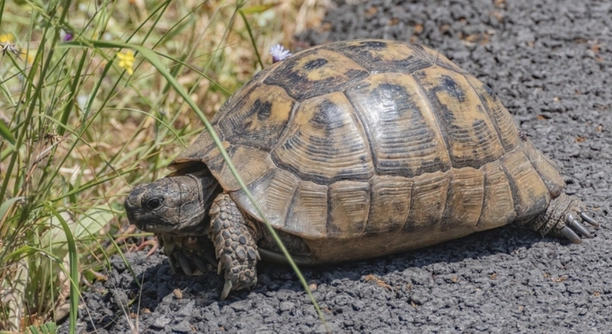
Russian tortoises are unique pets that need special care and a comfortable environment. Creating the right habitat for them helps ensure their health and happiness. There are easy ways to enrich their surroundings without complicated setups.
To provide a safe and enriching environment for your Russian tortoise, focus on adding various elements like hiding spots, climbing areas, and fresh plants. Proper lighting and temperature control are also essential to mimic their natural habitat and promote well-being.
There are simple steps you can take to improve your tortoise’s living space. These changes help create a more engaging and healthy home for them.
1. Providing Hiding Spaces
Russian tortoises, like many reptiles, enjoy having places to retreat. Offering a hiding space helps them feel secure, especially if they’re feeling stressed or threatened. A simple hideout can be as basic as a small plastic shelter or even a pile of rocks. Make sure it’s big enough for the tortoise to fully enter and comfortably rest inside.
Adding multiple hiding spots can also provide your tortoise with more choices, allowing them to retreat when they need a break. You can place them in various parts of the enclosure so your tortoise feels safe no matter where they are. Use natural materials like logs or clay pots for a more natural feel. Keep these spaces dry and clean to avoid attracting unwanted bacteria.
Hiding areas are vital for a tortoise’s well-being. In the wild, they have plenty of places to seek shelter from predators or weather changes. Providing this safe space in their environment helps reduce stress, keeping them healthy and happy.
2. Adding Climbing Structures
Climbing structures allow tortoises to engage in natural behaviors like exploring and reaching higher ground. Simple things like rocks or logs can be placed in their habitat for them to climb on. These items encourage physical activity and mental stimulation.
Creating a more dynamic enclosure with climbing spots can benefit your tortoise’s overall health. Not only will it provide exercise, but it will also create a more exciting space for your pet to explore. You can even add ramps to make climbing easier for your tortoise, depending on its age and mobility.
A variety of climbing structures also helps prevent boredom. Tortoises enjoy exploring their surroundings, and having the opportunity to climb gives them a chance to exercise different muscles. This is especially important for their overall fitness and digestive health.
3. Adding Fresh Plants
Live plants are an easy way to enrich a tortoise’s habitat. Not only do they provide natural food options, but they also offer additional hiding spots. Make sure the plants are safe for tortoises and non-toxic. Some common choices include dandelions, clover, and parsley.
Fresh plants can add a layer of variety to their diet. They can nibble on the leaves, which encourages natural foraging behavior. Avoid using store-bought plants that may be treated with pesticides, as these can be harmful to your pet. You can even grow edible plants in pots to ensure they’re safe and healthy.
Tortoises enjoy eating a variety of greens and flowers. Having plants around provides enrichment, as it allows them to graze freely in their own environment. Just be sure to clean up any leftovers to prevent mold growth. Fresh plants offer both nourishment and natural stimulation.
4. Proper Lighting and Heating
For your Russian tortoise to thrive, it’s essential to provide proper lighting and temperature control. They need a heat source to stay active and healthy, as well as ultraviolet (UV) light to help with calcium absorption. Ensure they have access to both basking and cooler areas.
A heat lamp or ceramic heater can provide the warmth your tortoise requires. Aim for a basking spot temperature of around 95°F, while the rest of the habitat should remain cooler. UVB lighting should be on for about 12-14 hours a day to simulate the natural sunlight they would experience outdoors.
Without adequate UV light, your tortoise may develop calcium deficiencies, leading to shell deformities or bone issues. The right balance of warmth and light is key for your pet’s overall health. Keeping the lighting consistent also helps mimic their natural circadian rhythm.
5. Substrate Choices
The right substrate can help mimic a tortoise’s natural environment. Use materials like coconut coir, organic soil, or even sand. These options allow for proper burrowing and provide a natural feel. Avoid loose gravel, as it can be harmful if ingested.
Choosing the right substrate also helps with humidity control. Coconut coir, for example, retains moisture and provides a slightly humid environment, which is beneficial for your tortoise’s skin and breathing. A clean, dry substrate is essential for maintaining a healthy habitat. Be sure to replace or clean the substrate regularly to avoid the buildup of waste.
An appropriate substrate encourages natural behaviors like digging and burrowing. This is important for your tortoise’s mental stimulation and overall well-being. The right bedding material keeps their environment both safe and enjoyable.
6. Temperature Monitoring
It’s important to regularly check the temperature in your tortoise’s habitat. A thermometer will help you ensure the basking area is warm enough, and the cooler side is at the proper temperature. This ensures your tortoise can regulate its body temperature effectively.
A well-maintained temperature range supports your tortoise’s digestive system, immunity, and overall health. Without proper temperature control, your tortoise may become sluggish or lose appetite. Using a reliable thermometer allows you to adjust the environment as needed, ensuring your pet remains comfortable and active.
7. Regular Habitat Cleaning
Keeping your tortoise’s habitat clean is essential for its health. A clean enclosure prevents the growth of bacteria and keeps your tortoise safe from infections. Regular cleaning is necessary to maintain a safe and healthy environment for your pet.
It’s important to clean up waste daily and replace any soiled substrate. A thorough cleaning of the entire habitat should be done once a week. This includes wiping down surfaces and disinfecting any hard-to-reach spots. Regular cleaning also prevents unpleasant odors from developing, ensuring the environment remains fresh and comfortable.
FAQ
How often should I clean my Russian tortoise’s habitat?
You should clean your tortoise’s habitat regularly to keep it healthy. Clean up any waste or leftover food daily to prevent bacteria growth. A full habitat cleaning should be done once a week. This includes replacing soiled substrate, wiping down surfaces, and disinfecting any objects in the enclosure. Regular cleaning helps prevent unpleasant odors and keeps the environment fresh for your tortoise.
Can I use sand as a substrate?
Sand can be used as a substrate, but it should be done cautiously. If your tortoise ingests too much sand, it can cause digestive issues, like impaction. It’s best to use sand mixed with other materials, like coconut coir or soil, to reduce the risk of ingestion. Make sure to monitor your tortoise’s behavior to ensure they aren’t eating the sand, and always keep the habitat clean.
Is it okay to feed my Russian tortoise fruit?
Yes, you can feed your Russian tortoise fruit, but only in moderation. While fruit can be a tasty treat, it is high in sugar and should not make up a large portion of their diet. Offer small amounts of fruit like strawberries, apples, or melons occasionally. The majority of their diet should consist of leafy greens, grasses, and edible flowers.
What temperature should my Russian tortoise’s habitat be?
The temperature of your tortoise’s habitat should range from 75°F to 95°F, with a basking spot at around 95°F. The cooler side of the habitat should be around 75°F. A heat lamp or ceramic heater is ideal for providing warmth, and a UVB light is necessary for calcium absorption. It’s important to monitor the temperature with a thermometer to ensure it stays within the right range.
How long can a Russian tortoise be out of its enclosure?
A Russian tortoise should not be kept out of its enclosure for too long. If allowed out, ensure the area is safe and secure. They can roam around for a few hours as long as they’re supervised. Always bring them back to their habitat where they can access proper lighting, temperature, and food. Prolonged time outside the enclosure can cause stress and expose them to hazards.
Can I handle my Russian tortoise every day?
Yes, you can handle your Russian tortoise daily, but it’s important not to overdo it. Tortoises are generally calm and don’t mind being handled gently, but too much handling can stress them out. Keep sessions short and calm, and always allow them time to explore on their own. Handling them too frequently may cause them to become anxious, so it’s best to keep it balanced.
Do Russian tortoises need a humid environment?
Russian tortoises do not need a highly humid environment, but they do benefit from some moisture. The humidity should be around 40-60%. This can be achieved through the use of slightly damp substrate or spraying their enclosure occasionally. However, it’s important to avoid making the habitat too wet, as excessive moisture can lead to shell rot or respiratory issues.
What should I do if my tortoise is not eating?
If your Russian tortoise is not eating, check the temperature and lighting in the habitat first. Low temperatures or incorrect lighting can affect their appetite. If the conditions are correct and they still refuse food, they could be stressed, sick, or simply not hungry. Offer a variety of foods, including fresh greens, flowers, and grasses. If they continue to refuse food, consult a vet to rule out any health issues.
Can Russian tortoises live outside?
Russian tortoises can live outside in a secure, safe environment. However, they need to be protected from extreme weather conditions. The temperature should remain within their preferred range, and they should have access to shelter from rain or predators. It’s important to have a secure outdoor enclosure where they cannot escape or be harmed.
What type of lighting does my Russian tortoise need?
Your Russian tortoise needs both heat and UVB lighting. The heat light provides the warmth necessary for digestion and activity, while the UVB light helps with calcium absorption. Make sure to use a UVB light that emits the proper wavelengths and lasts for about 12-14 hours a day. Regular exposure to UVB light prevents calcium deficiency and supports your tortoise’s overall health.
Final Thoughts
Creating a comfortable and enriching environment for your Russian tortoise is crucial to their well-being. By providing a variety of elements such as hiding spots, climbing structures, and fresh plants, you help stimulate both their body and mind. These changes are simple but effective ways to mimic their natural surroundings and ensure they lead a healthy, active life. Remember, the right habitat not only supports your tortoise’s physical health but also helps reduce stress, allowing them to thrive.
Proper lighting and temperature control are just as important as the physical elements in your tortoise’s habitat. A basking area with the right heat and UVB light is essential for digestion, calcium absorption, and overall energy. You should always monitor the temperature to make sure it stays within the ideal range. Regular cleaning is another key component in maintaining a healthy environment. This ensures your tortoise has a clean, safe space to move around in and reduces the risk of bacterial growth or disease.
While providing these essential elements may seem like a lot of work, the payoff is worth it. Russian tortoises can live long and healthy lives if given the right care. By investing time and effort into creating the best habitat possible, you’re helping your tortoise feel more secure, comfortable, and happy. As long as you focus on their natural needs, such as a varied diet, exercise, and a clean, safe living environment, your tortoise will flourish.

Hello,
If you enjoy the content that we create, please consider saying a "Thank You!" by leaving a tip.
Every little bit helps us continue crafting quality advice that supports the health, happiness, and well-being of pets around the world, for pets of all shapes, sizes, and species.
We really appreciate the kindness and support that you show us!