
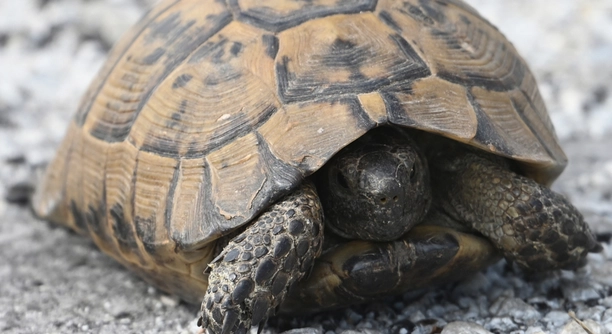
Creating a comfortable and engaging habitat for your Russian tortoise is essential for their well-being. A few thoughtful enclosure decorations can enhance both their environment and their overall happiness. The right choices will help mimic their natural surroundings.
When setting up an enclosure for a Russian tortoise, the key to creating a perfect space lies in incorporating items that provide shelter, climbing opportunities, and visual stimulation. Decorations should include hides, rocks, plants, and substrate designed for burrowing.
These tips will guide you through selecting the best decorations to make your tortoise’s home both functional and enriching.
Natural Hides and Shelters
Russian tortoises need places where they can feel safe and secure. A natural hide provides them with a sense of privacy and a place to retreat when they feel threatened or stressed. Using natural materials like rocks, logs, or small wooden huts gives them a more authentic and comfortable space. Tortoises are creatures of habit, so once they find a hide they like, they will frequently return to it.
A hide should be placed in a quiet corner of the enclosure, away from any direct sunlight or high-traffic areas. It’s important that the hide is large enough for the tortoise to enter and turn around easily. Providing multiple hides can also help reduce stress by giving them options.
Adding a natural hide that mimics a burrowed area will allow the tortoise to express natural behaviors, which is essential for their physical and mental health. The use of these shelters should be part of a well-rounded habitat designed to meet their needs.
Safe Climbing Options
Providing climbing opportunities can benefit your tortoise’s health. Low, sturdy rocks or logs allow for natural exercise and help maintain physical fitness.
Climbing options are not just for physical enrichment; they also stimulate your tortoise mentally. It allows them to explore their environment in ways that closely resemble their wild behavior. Make sure the climbing items are stable and not too high to avoid accidents.
Substrate for Digging and Burrowing
A proper substrate encourages your tortoise to dig and burrow, just like they would in the wild. Use a mixture of soil, sand, and coconut coir to create a soft yet sturdy base that allows for natural behavior. Ensure the depth is sufficient for them to dig comfortably.
The substrate should be easy to clean and maintain. A few inches of loose material will encourage digging without causing stress. Keep the substrate slightly moist, but not wet, to replicate the humid environment they’re accustomed to. Avoid using substrates with sharp particles, as they could harm your tortoise.
For Russian tortoises, having a substrate that mimics the earth helps reduce stress and promotes healthy behaviors. It’s also a great way for them to regulate their body temperature, as they often dig to create a cooler or warmer space depending on their needs.
Safe Plants for Decorations
Adding plants to your tortoise’s enclosure helps to mimic a natural environment. Choose safe, non-toxic plants that your tortoise can’t easily ingest. Some plants like clover, dandelions, and grasses are great additions.
Make sure to place these plants securely in the substrate, so they don’t get easily uprooted. Having live plants also helps maintain humidity levels, which can be beneficial for your tortoise’s health. A mix of edible plants can add variety to their diet while enriching their habitat.
While plants can offer a more authentic touch to the enclosure, it’s essential to ensure your tortoise’s safety. Always research before adding new plants to avoid any toxic varieties.
Rocks for Exploration and Climbing
Rocks provide both a natural element and a functional space for your tortoise. Place larger rocks at ground level to allow for climbing, but ensure they are stable. Avoid any sharp edges that might cause injury.
Rocks also serve as great hiding spots. Tortoises love to explore and crawl under rocks for shelter. Make sure any rocks used are non-toxic and thoroughly cleaned before placing them in the enclosure. Natural, weathered rocks are usually the best option as they provide a more realistic environment for your tortoise.
Water Features
Adding a shallow water dish or a small water feature can help maintain the right humidity and give your tortoise access to drinking water. The water dish should be large enough for your tortoise to soak in but shallow enough to avoid drowning.
Keep the water clean and change it regularly. A water feature that mimics a small stream can also serve as a natural enrichment tool, encouraging your tortoise to explore and hydrate. Just ensure the water level is always manageable and the area is safe.
Light and Shade
Proper lighting is crucial for your tortoise’s well-being. Provide both areas of light and shade, as tortoises like to regulate their temperature. A UVB light will ensure they get the necessary vitamin D.
It’s important to give your tortoise options. A shaded area can allow them to cool down when needed, while the light helps with basking. A balance of both will keep them comfortable and healthy throughout the day.
FAQ
What should I put in my Russian tortoise’s enclosure?
To create a comfortable environment for your Russian tortoise, include natural hides, safe climbing options, plants, and a suitable substrate. Providing rocks for exploration, shallow water dishes, and areas of both light and shade will help mimic their natural habitat. These elements support their physical, mental, and emotional well-being.
Can I use sand in my tortoise’s enclosure?
Yes, sand can be used in moderation. It should be mixed with other materials like soil and coconut coir to prevent it from becoming too compact. Ensure it is clean and free from harmful chemicals. Avoid using loose sand alone, as it can cause respiratory issues if inhaled over time.
How deep should the substrate be in my tortoise’s enclosure?
The substrate should be deep enough to allow your tortoise to dig comfortably, usually about 4 to 6 inches. This will mimic the natural digging behavior that is essential for their well-being. The substrate should be loose but not too soft, providing enough support for digging and burrowing.
Are there any plants I should avoid in my tortoise’s enclosure?
Yes, certain plants are toxic to tortoises. Avoid plants like ivy, oleander, and azalea. Always research any plant before adding it to your tortoise’s habitat. Safe options include clover, dandelions, and grasses, which can provide both decoration and an edible treat for your tortoise.
How often should I clean my tortoise’s enclosure?
Cleaning your tortoise’s enclosure should be done regularly. Spot clean daily by removing any waste, uneaten food, or debris. Every few weeks, it’s important to do a deep clean of the entire enclosure, changing the substrate and disinfecting surfaces to prevent bacterial buildup.
Do I need to provide UVB lighting for my Russian tortoise?
Yes, UVB lighting is essential for Russian tortoises. It helps them synthesize vitamin D3, which is necessary for proper calcium absorption. Without UVB, they may develop metabolic bone disease. Make sure the UVB bulb is positioned properly and replaced every 6 to 12 months for effectiveness.
How can I ensure my tortoise has enough exercise?
Provide your tortoise with a large, safe space to roam and explore. A variety of climbing options, rocks, and objects to crawl under will encourage movement. Changing up the layout of their environment regularly can also stimulate their natural curiosity and provide mental enrichment.
Can I use wood chips in my tortoise’s enclosure?
It’s not recommended to use wood chips as the primary substrate. While they can be used in small amounts for decoration, they may harbor mold or bacteria. Certain types of wood, like pine and cedar, contain oils that can be harmful to tortoises. Stick to natural, non-toxic substrates for safety.
Is it okay to house multiple Russian tortoises together?
Housing multiple Russian tortoises together is generally not advised unless they have plenty of space. Tortoises are territorial, and overcrowding can lead to aggression or stress. If you choose to house them together, ensure there are enough hiding spots and resources to reduce competition and stress.
What temperature should the enclosure be for my tortoise?
Russian tortoises thrive in temperatures between 75-85°F during the day, with a basking spot reaching around 90-100°F. At night, the temperature can drop to 60-70°F. It’s important to provide a heat gradient so your tortoise can move to a cooler or warmer area as needed.
Can I use artificial plants in my tortoise’s enclosure?
Artificial plants can be used for decoration but should not be a substitute for safe, edible plants. They should be non-toxic and free from small parts that your tortoise might try to ingest. Keep in mind that they don’t offer the same nutritional benefits as real plants.
How often should I change the water in my tortoise’s enclosure?
Water should be changed daily, especially if your tortoise uses it to soak or drink. Keeping the water fresh and clean helps prevent bacteria from growing. A shallow water dish should be cleaned regularly to maintain proper hygiene and avoid any harmful contaminants.
What is the best way to add enrichment to my tortoise’s enclosure?
Enrichment is crucial for your tortoise’s mental stimulation. Providing new objects, textures, and climbing opportunities will keep them engaged. You can also add puzzles, such as hiding food or using tunnels, to challenge them. Variety is key in keeping them interested and active.
Are heat lamps necessary for my tortoise?
Yes, heat lamps are necessary to provide the right temperature range for your Russian tortoise. They help replicate the warmth your tortoise would get from the sun in the wild. Be sure to use a lamp that provides both heat and UVB light for optimal health.
Can I use reptile carpet as a substrate?
Reptile carpet can be used in a tortoise enclosure, but it is not ideal for all setups. While it’s easy to clean, it doesn’t allow for digging or burrowing, which is a natural behavior for tortoises. If you choose to use it, make sure to combine it with other natural materials to encourage exploration.
How do I know if my tortoise is stressed?
Signs of stress in a tortoise include reduced appetite, hiding more than usual, or being more aggressive. They may also exhibit erratic behavior or become more reclusive. If you notice these signs, consider adjusting their environment, like providing more hiding spots or improving the temperature and lighting conditions.
Final Thoughts
Creating a suitable environment for your Russian tortoise is essential to its well-being. By choosing the right decorations for the enclosure, you can ensure that your tortoise has a safe, comfortable, and stimulating space. The goal is to mimic its natural habitat as closely as possible while providing opportunities for both physical and mental stimulation. Safe, functional decorations such as rocks, plants, and hides can help your tortoise feel more at ease in its home. Avoid overcrowding or using harmful materials that could cause stress or injury. Your tortoise will benefit from a thoughtfully arranged space that encourages natural behaviors like burrowing and exploring.
It’s important to remember that not all decorations are created equal. Each item you choose should serve a purpose beyond just looking good. For example, climbing rocks provide physical exercise, while hiding spots offer a sense of security. Plants, when chosen carefully, can provide both decoration and food. Similarly, the substrate you choose plays a significant role in maintaining a healthy environment. By using the right materials and ensuring that the enclosure is easy to clean, you can reduce stress and help prevent health issues down the road. The more you invest in the right enclosure setup, the more comfortable and happy your Russian tortoise will be.
As you continue to care for your tortoise, it’s essential to keep evaluating and improving its enclosure. Regularly assess whether the decorations still meet your tortoise’s needs and if the environment is promoting its natural behaviors. Over time, your tortoise may benefit from new or additional items to keep the habitat fresh and engaging. By remaining attentive and responsive to your tortoise’s needs, you can create a balanced, healthy environment that allows it to thrive. With the right care, your tortoise will enjoy a comfortable, enriched life in its enclosure.

Hello,
If you enjoy the content that we create, please consider saying a "Thank You!" by leaving a tip.
Every little bit helps us continue crafting quality advice that supports the health, happiness, and well-being of pets around the world, for pets of all shapes, sizes, and species.
We really appreciate the kindness and support that you show us!