
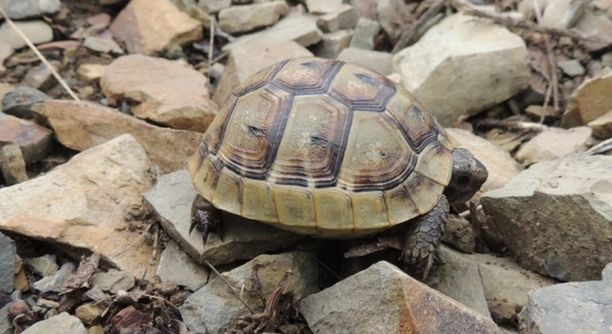
Caring for a Russian tortoise requires attention to many aspects of its health, especially its shell. Shell rot is a common issue that can lead to serious complications, but with a few simple steps, you can easily prevent it.
To prevent shell rot in Russian tortoises, it’s essential to maintain proper humidity, temperature, and cleanliness in their environment. Regularly inspect the shell for damage, provide a balanced diet, and avoid excessive moisture exposure.
Taking simple precautions can make a big difference in preventing shell rot. Continue reading to find out the easiest ways to keep your tortoise healthy and happy.
1. Maintain Proper Humidity and Temperature
Russian tortoises are sensitive to changes in their environment. Too much humidity can lead to shell rot, while too little can cause dehydration. It’s important to keep the humidity level between 40-60% and maintain a warm temperature of 80-85°F during the day. At night, the temperature should drop to around 70°F. These conditions help keep your tortoise comfortable and reduce the risk of shell issues.
Using a thermometer and hygrometer is the easiest way to monitor these conditions. If the humidity is too high, consider using a dehumidifier or improving airflow. When it’s too low, you can add a shallow water dish or mist the enclosure lightly. Finding the right balance is crucial for your tortoise’s health.
The shell is a protective barrier for your tortoise, but maintaining the right conditions is key. Humidity and temperature are closely linked to the well-being of your pet. Keeping these factors in check will make a huge difference in preventing shell rot and other health issues.
2. Keep the Enclosure Clean
A clean environment is essential for your tortoise’s health. Shell rot can develop if waste, uneaten food, or old bedding accumulate. It’s crucial to clean the enclosure regularly and change bedding as needed.
When cleaning, avoid harsh chemicals that can irritate the tortoise’s skin or shell. Instead, use natural, safe cleaning products, or simply warm water and mild soap. Be sure to wash food and water dishes daily as well. This ensures that your tortoise isn’t exposed to bacteria or mold, which can lead to infections.
A clean living space will also help prevent other diseases. When bacteria or fungi are allowed to grow, they thrive in moist, dirty conditions. Consistently cleaning your tortoise’s home eliminates these risks and keeps its shell healthy.
3. Provide a Balanced Diet
A healthy diet is key to your tortoise’s overall well-being. Proper nutrition helps maintain a strong and healthy shell. Feed your Russian tortoise a variety of leafy greens like dandelion greens, kale, and collard greens, along with small amounts of vegetables like squash or bell peppers.
Avoid feeding them high-protein foods or fruits, as these can upset their digestive system and cause imbalances. Offering a variety of foods ensures that your tortoise gets the right nutrients, which directly impacts shell health. Additionally, calcium is essential for shell growth and strength, so offering calcium-rich foods like collard greens will support their shell structure.
Keep fresh water available at all times. Hydration is crucial for proper digestion and shell maintenance. Remember, a healthy diet goes hand-in-hand with the right environment. Proper nutrition can help prevent issues like soft or damaged shells that may lead to rot.
4. Limit Moisture Exposure
Excessive moisture can contribute to the development of shell rot. While Russian tortoises enjoy occasional baths, too much wetness can soften their shells and lead to fungal or bacterial growth. Bathing should be brief, around 10 to 15 minutes, with water that is not too deep.
Also, be mindful of where your tortoise spends time. Areas of their enclosure that are consistently wet, like damp bedding or an overly humid corner, can lead to shell problems. Ensure that the enclosure has dry spots where your tortoise can rest and stay dry.
A dry environment is essential for keeping the shell in good condition. When moisture is controlled, your tortoise’s shell will stay strong, reducing the risk of rot or other related conditions. Regular monitoring will help you identify any moisture buildup and prevent problems before they start.
5. Provide Proper Lighting
Tortoises need access to both UVB and UVA lighting for their health. UVB light helps them produce vitamin D3, which is necessary for calcium absorption and shell growth. Without this, their shells can become weak and prone to rot.
Ensure that the UVB light is placed properly in the enclosure, providing enough exposure. Use a high-quality bulb designed for reptiles, and replace it regularly to maintain its effectiveness. UVA light helps regulate your tortoise’s behavior, keeping them active and healthy. Both lights are important for their overall well-being.
With the right lighting, your tortoise’s shell will stay strong and resistant to damage. Regular exposure to UVB will promote healthy shell growth, preventing issues like soft spots or deformities.
6. Regular Shell Inspections
Inspecting your tortoise’s shell regularly is essential for catching early signs of rot. Check for any soft spots, discoloration, or damage that may indicate an issue. If you notice anything unusual, consult a vet as soon as possible.
Routine inspections allow you to detect problems early and prevent them from worsening. Look for any changes in the shell’s texture or color, especially in areas that are typically hidden. Being proactive with these checks will help ensure your tortoise remains healthy.
7. Keep Nails Trimmed
Long nails can lead to injury and cause discomfort, affecting your tortoise’s ability to move properly. Regular nail trimming helps prevent these problems and keeps their shell intact. If the nails grow too long, they can cause stress or even damage the shell.
FAQ
How do I know if my tortoise has shell rot?
Shell rot can often be identified by changes in the texture or color of the shell. Common signs include soft spots, discoloration (such as yellow or black areas), or a foul odor. If you notice any of these signs, it’s important to consult a veterinarian immediately for diagnosis and treatment.
Can I treat shell rot at home?
While it’s possible to treat minor shell issues at home, shell rot often requires professional veterinary care. If caught early, you may be able to treat mild cases by cleaning the shell with a mild antiseptic and adjusting environmental conditions. However, severe rot requires antibiotics or other treatments that only a vet can provide.
What causes shell rot in Russian tortoises?
Shell rot in Russian tortoises is usually caused by poor environmental conditions. Excessive humidity, dirty living spaces, or improper lighting can lead to bacterial or fungal infections. Moisture trapped in the shell due to poor ventilation or excessive soaking can soften the shell and make it more susceptible to rot.
Can shell rot be prevented?
Yes, shell rot can largely be prevented by maintaining a clean and dry environment for your tortoise. Regularly inspect the shell, ensure proper lighting and humidity levels, and provide a balanced diet with adequate calcium. Avoid over-soaking your tortoise and ensure it has a dry area to rest. Preventing shell rot is much easier than treating it.
How often should I clean my tortoise’s enclosure?
It’s a good idea to clean your tortoise’s enclosure at least once a week. Spot clean daily to remove waste and uneaten food. A deep cleaning once a month, including replacing bedding and disinfecting surfaces, will help maintain a hygienic environment that reduces the risk of shell rot and other illnesses.
What’s the best way to bathe my Russian tortoise?
When bathing your tortoise, ensure the water level is shallow and not too hot. A short bath, around 10-15 minutes, with lukewarm water is sufficient. Never submerge your tortoise for long periods, as too much moisture can contribute to shell rot. After the bath, dry your tortoise off gently with a soft towel.
Can improper diet cause shell rot?
While an improper diet doesn’t directly cause shell rot, it can contribute to poor overall health. A diet lacking essential nutrients like calcium can weaken the shell, making it more vulnerable to injury and infection. Provide a balanced diet with plenty of leafy greens and some vegetables to ensure strong shell growth.
How do I prevent my tortoise from soaking too much?
If your tortoise tends to soak in its water dish for extended periods, monitor the humidity in its enclosure. Make sure it is not too high, as excess moisture in the air can encourage soaking. You can also limit bath time and ensure the water is shallow to discourage prolonged soaking.
Is it necessary to use UVB light for my tortoise?
Yes, UVB light is essential for your tortoise’s health. It helps them synthesize vitamin D3, which is crucial for calcium absorption and shell growth. Without proper UVB exposure, your tortoise could develop metabolic bone disease, leading to weakened bones and a fragile shell. Make sure to replace UVB bulbs every 6-12 months for optimal effectiveness.
How often should I trim my tortoise’s nails?
Trimming your tortoise’s nails every few months is typically enough, but it depends on how fast they grow. Overgrown nails can cause discomfort and damage to their shell or skin. If you notice your tortoise’s nails are becoming long or sharp, it’s time for a trim. A vet or professional can show you how to do this safely.
Can shell rot cause long-term damage?
Yes, if shell rot is left untreated or not properly managed, it can lead to permanent damage. The shell is vital for your tortoise’s protection, and infections can spread, potentially leading to the loss of parts of the shell. In severe cases, it can even threaten your tortoise’s life. Prompt treatment is essential.
What temperature is best for my Russian tortoise?
Russian tortoises thrive in temperatures between 80-85°F during the day and 70-75°F at night. It’s important to maintain these temperatures consistently. A temperature gradient in the enclosure will allow your tortoise to choose a spot to warm up or cool down as needed, supporting its natural behaviors.
Can shell rot be spread to other tortoises?
Shell rot itself is not contagious, but the bacteria or fungus that causes it can spread if proper hygiene is not followed. If you have multiple tortoises, make sure to clean each enclosure thoroughly and keep them separated if one is showing signs of rot. Always wash your hands after handling any affected tortoises.
How do I create a safe environment for my tortoise?
Creating a safe environment involves providing proper lighting, a clean, dry space, and appropriate humidity levels. Ensure your tortoise has access to fresh water, a variety of foods, and enough space to move freely. Regularly inspect the enclosure for any hazards, such as sharp objects or areas where moisture can accumulate.
Final Thoughts
Caring for a Russian tortoise requires attention to several key aspects of their well-being, including maintaining a clean and dry environment, providing a balanced diet, and ensuring proper lighting and temperature. By addressing these areas, you can help prevent common issues like shell rot and keep your tortoise healthy. Regular maintenance, such as cleaning the enclosure and monitoring conditions, will also play a crucial role in preventing health problems before they arise.
It’s important to remember that shell rot is preventable with the right care. Keeping your tortoise’s living conditions dry and stable, using proper lighting, and offering a variety of healthy foods can reduce the risk significantly. Additionally, taking the time to inspect your tortoise’s shell regularly for any signs of damage or infection is an easy way to catch potential issues early. The earlier you address problems, the easier they are to manage.
In the end, the health of your Russian tortoise depends on your commitment to providing a safe and suitable environment. With the proper knowledge and care, you can help ensure that your tortoise enjoys a long and happy life. Taking simple steps to prevent shell rot, along with being attentive to your tortoise’s needs, will go a long way in keeping them strong and thriving.

Hello,
If you enjoy the content that we create, please consider saying a "Thank You!" by leaving a tip.
Every little bit helps us continue crafting quality advice that supports the health, happiness, and well-being of pets around the world, for pets of all shapes, sizes, and species.
We really appreciate the kindness and support that you show us!