
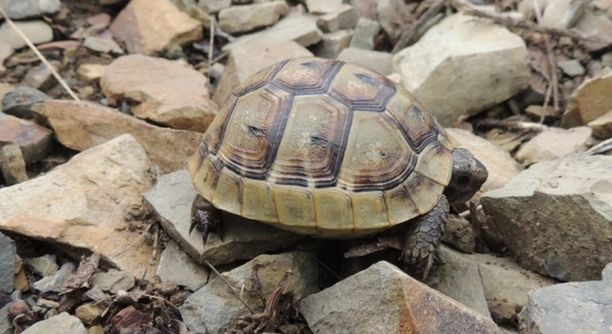
Russian tortoises are known for their calm and friendly nature, but sometimes, they can display aggression. This behavior can be puzzling and concerning for tortoise owners. Identifying the reasons behind this aggression is key to managing it.
Several factors can cause aggression in Russian tortoises, including improper habitat conditions, lack of space, poor diet, and stress from handling. Addressing these issues can help reduce aggressive behavior and create a more comfortable environment for the tortoise.
Understanding the underlying causes can improve your tortoise’s behavior and well-being.
Inadequate Space
When a tortoise feels confined or has limited room to roam, it can become stressed and display aggression. Russian tortoises, like all reptiles, need ample space to explore, dig, and move around freely. Without it, they may become territorial and defensive. This behavior can be exacerbated if multiple tortoises share a small space, as they may fight for dominance or territory. It’s crucial to provide an enclosure that is large enough for them to feel comfortable and safe. A minimum of 4 feet by 2 feet is recommended for a single tortoise. However, the more space they have, the better. Be sure to offer various hiding spots and climbing opportunities within the enclosure to help alleviate feelings of confinement.
Increasing space for your tortoise can significantly reduce aggression. A larger habitat not only gives your tortoise more room to explore, but it also reduces stress, leading to calmer behavior.
An expanded living area can also encourage natural behaviors such as foraging and digging. These actions help keep the tortoise mentally stimulated, which lowers the chances of stress-related aggression. Make sure the environment is enriched with a variety of textures, hides, and obstacles.
Diet and Nutrition
What your tortoise eats can affect its behavior. An unbalanced diet can lead to aggression, especially if it’s lacking key nutrients. Russian tortoises are herbivores, so their diet should mainly consist of high-fiber plants like grasses, weeds, and leafy greens. Avoid offering foods high in oxalates or phosphorus, as these can harm their health over time and contribute to behavioral changes. Insufficient calcium intake can also cause health problems, making your tortoise more irritable or aggressive.
Providing the right nutrients in the right proportions helps maintain your tortoise’s overall health. Offering fresh, clean food daily ensures they are getting the vitamins and minerals needed for a happy life.
A varied diet, combined with the right supplements like calcium, ensures your tortoise has the energy and well-being to thrive. It also prevents imbalances that can lead to aggression or discomfort. Regularly changing up their food items keeps their meals interesting, reducing the likelihood of boredom, which can also contribute to unwanted behaviors.
Stress from Handling
Too much handling or rough handling can make a Russian tortoise anxious, leading to aggression. These tortoises are naturally independent and may not enjoy being picked up or touched frequently. Regular, gentle handling can help them become accustomed to human interaction, but overdoing it causes stress.
If your tortoise is showing signs of aggression, consider reducing the frequency of handling. Only pick them up when necessary, and avoid grabbing them by their legs or shell. Handle them gently and support their body fully to minimize discomfort. Over time, your tortoise may become more accustomed to human presence.
Stress is often a result of sudden movements or being placed in unfamiliar situations. Take the time to observe your tortoise’s body language. If they seem agitated or fearful, it’s important to give them space. A calm and respectful approach goes a long way in building trust and reducing stress-induced aggression.
Temperature Imbalance
Russian tortoises are sensitive to temperature changes, and an improper temperature range can lead to aggression. If the enclosure is too hot or too cold, your tortoise may become stressed, uncomfortable, and more prone to aggressive behavior. Maintaining a stable, appropriate temperature is essential for their well-being.
A temperature range between 75°F and 85°F during the day is ideal, with a slight drop at night. Ensure your tortoise has access to both a basking area and cooler spots to regulate its body temperature. Using a reliable thermostat will help maintain a consistent environment.
Temperature fluctuations can also affect your tortoise’s appetite and activity levels. If they are too cold, they may become sluggish or refuse to eat, making them more likely to react aggressively when disturbed. Consistency in temperature helps keep your tortoise comfortable and reduces stress.
Overcrowding
Overcrowding can lead to territorial disputes and increased aggression in Russian tortoises. If multiple tortoises are placed in a small space, they may fight over food, water, and basking areas. To prevent this, make sure each tortoise has enough room to move freely.
Providing a separate area for each tortoise can reduce stress and aggression. Larger enclosures, when necessary, help prevent dominance struggles and offer a more peaceful environment. Avoid overcrowding, as this can lead to health issues and behavior problems.
Improper Substrate
The wrong type of substrate can irritate your tortoise and lead to aggression. Substrates like sand, wood chips, or anything that can cause impaction should be avoided. Instead, opt for a safe, digestible material such as organic soil, coconut coir, or grass hay. This helps your tortoise feel more at ease.
The right substrate is crucial for your tortoise’s comfort and behavior. A proper substrate offers them the ability to burrow and regulate body temperature. It also keeps the enclosure clean, reducing stress from poor hygiene. A clean environment is essential to avoid unwanted behavior changes in your tortoise.
FAQ
What should I do if my Russian tortoise is being aggressive?
If your tortoise is showing aggression, start by reviewing its living conditions. Ensure its habitat is large enough, the temperature is ideal, and its diet is balanced. Consider reducing handling if it seems stressed. If the behavior continues, consulting a reptile vet can help identify any underlying health issues.
How do I tell if my Russian tortoise is stressed?
A stressed Russian tortoise may exhibit behaviors like excessive hiding, aggressive postures, or refusal to eat. They may also become more defensive when handled or seem unusually inactive. Observing their behavior closely will help determine if stress is a factor in their aggression.
Can a Russian tortoise live with other tortoises?
While some Russian tortoises can live with others, overcrowding and territorial behavior can lead to aggression. If you plan to keep multiple tortoises, ensure they have enough space and separate basking areas. Monitor their interactions closely to ensure no fighting occurs.
What is the best way to handle a Russian tortoise?
Handle your tortoise gently and avoid picking it up too frequently. Always support its body fully to prevent injury. When handling, be calm and slow, avoiding sudden movements that may cause fear. Allow the tortoise to get used to you gradually for a less stressful experience.
Is it okay to keep a Russian tortoise in a glass tank?
Glass tanks are not the best choice for Russian tortoises, as they can trap heat and humidity. It’s better to use a larger enclosure like a wooden or plastic box with proper ventilation. This provides more space and ensures a better environment for your tortoise’s health.
How can I tell if my Russian tortoise is healthy?
A healthy Russian tortoise will have clear, bright eyes, smooth and firm skin, and an active attitude. They should be eating regularly and have no signs of discharge from the nose or mouth. If any unusual behavior or symptoms occur, it’s best to visit a vet.
Can Russian tortoises get along with other pets?
Russian tortoises can generally coexist with other pets, but they should not be housed with animals that may pose a threat, such as dogs or cats. Supervision is important when introducing them to other pets, especially if the tortoise is smaller or seems stressed by the new companion.
How much space does a Russian tortoise need?
A single Russian tortoise should have at least 4 feet by 2 feet of space. More space is always better to allow for natural behaviors like digging and foraging. Inadequate space can lead to stress and aggression, so it’s essential to provide an appropriately sized enclosure.
What are the signs that my Russian tortoise is in pain?
Signs of pain in a Russian tortoise include limping, reluctance to move, loss of appetite, or hiding more than usual. They may also display unusual behaviors, such as excessive scratching or biting at their shell. If you notice these signs, consult a vet immediately.
How often should I feed my Russian tortoise?
Russian tortoises are herbivores and should be fed daily. Offer a variety of leafy greens, grasses, and other safe plants. Avoid feeding them too many fruits, as they should make up only a small portion of the diet. Providing fresh food every day ensures they stay healthy and active.
How do I keep my Russian tortoise’s shell healthy?
To maintain a healthy shell, ensure your tortoise is getting enough calcium, vitamin D3, and a proper diet. Regular exposure to UVB light is important for shell health, as it helps with calcium absorption. Avoid allowing them to stay in damp conditions for long periods.
Can Russian tortoises live outside?
Russian tortoises can live outside in suitable climates, as long as the temperature doesn’t drop below 50°F. They need a secure enclosure to prevent escape and protect them from predators. Outdoor enclosures should have enough shelter, space to roam, and access to fresh food and water.
How long do Russian tortoises live?
Russian tortoises can live anywhere from 40 to 50 years if cared for properly. Their lifespan depends on factors like diet, habitat, and overall care. With the right conditions, they can be long-lived, making them a lasting companion in your home.
How do I clean my Russian tortoise’s enclosure?
Regular cleaning of your tortoise’s enclosure is important for maintaining a healthy environment. Remove leftover food and soiled bedding daily. Clean the enclosure with mild soap and water every week to remove any bacteria or mold. Ensure the enclosure is dry before putting the tortoise back in.
What temperature should my Russian tortoise’s habitat be?
The ideal temperature for a Russian tortoise’s habitat is between 75°F and 85°F during the day. At night, it can drop to around 65°F. Make sure to provide a basking area with a heat lamp that can reach up to 90°F. This helps regulate their body temperature.
Final Thoughts
Russian tortoises are fascinating creatures, but their behavior can sometimes be challenging. Aggression can stem from various factors, such as improper living conditions, overcrowding, or stress. Understanding these triggers can help ensure that your tortoise is not only comfortable but also healthy. By providing a suitable environment, proper diet, and the right amount of space, you can prevent most aggression-related issues. The key is to create a stress-free habitat that encourages natural behaviors and minimizes the likelihood of territorial disputes. If aggression continues, consulting a reptile vet can offer solutions tailored to your tortoise’s needs.
When handling your tortoise, it’s important to be patient and gentle. Overhandling or sudden movements can stress them, which may result in defensive behaviors. Allow your tortoise time to get used to its environment and to you. Gradual interaction can help build trust between you and your pet. Additionally, maintaining a consistent routine, from feeding times to cleaning schedules, helps reduce anxiety. A stable environment is essential for minimizing unwanted aggression and ensuring your tortoise feels secure in its space. In some cases, an unbalanced diet or lack of proper lighting can also contribute to behavioral problems.
Ultimately, the most effective way to deal with aggression in Russian tortoises is through prevention. Regularly assess the conditions in their enclosure, check their health, and monitor their behavior. By staying proactive, you’ll not only prevent aggression but also provide your tortoise with a long and happy life. The more you understand their needs and habits, the better you’ll be able to address any issues that arise. It’s important to remember that a well-cared-for tortoise is more likely to exhibit calm and natural behavior. Taking small steps now can lead to lasting peace for both you and your tortoise.

Hello,
If you enjoy the content that we create, please consider saying a "Thank You!" by leaving a tip.
Every little bit helps us continue crafting quality advice that supports the health, happiness, and well-being of pets around the world, for pets of all shapes, sizes, and species.
We really appreciate the kindness and support that you show us!