
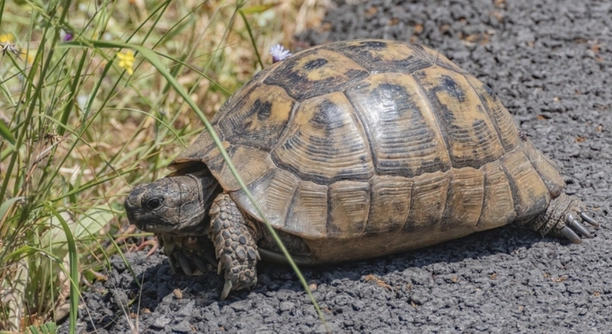
Russian tortoises are fascinating creatures, and observing their behavior can provide insight into their health. One action that may catch your attention is when your tortoise rubs its eyes frequently.
Eye rubbing in Russian tortoises is often a sign of irritation, discomfort, or infection. It could result from dust, debris, or health issues such as respiratory infections, eye discharge, or parasites, which require attention and proper care.
Addressing these concerns will help ensure your tortoise remains comfortable and healthy. Knowing the causes behind eye rubbing can lead to better care and quicker recovery for your pet.
Possible Causes for Eye Rubbing
One of the most common reasons your Russian tortoise may rub its eyes is irritation from dust or debris. The eyes of tortoises are sensitive, and they may react by rubbing or blinking excessively to clear any particles. This is particularly common if your pet has access to outdoor areas with dirt or if the enclosure is not properly cleaned. It’s important to keep their environment free from unnecessary dust and particles. If the rubbing persists, it could be a sign of an infection or other underlying issues. Checking for signs of discharge or swelling around the eyes will help you identify if there’s a more serious concern.
If your tortoise has been rubbing its eyes frequently, inspect the habitat for anything that could be causing discomfort, like poor bedding or sharp objects.
Eye irritation can sometimes lead to infections if not addressed early. If you notice swelling or unusual discharge, you may need to seek advice from a veterinarian. Acting fast can help prevent worsening conditions, ensuring your pet stays healthy.
Health Concerns to Watch For
Infections and respiratory issues can often cause eye rubbing in Russian tortoises. Respiratory infections may lead to swollen eyes or nasal discharge, prompting the tortoise to rub or wipe its face. It’s essential to monitor for any other symptoms like labored breathing or lethargy, which could indicate a respiratory infection. In this case, it’s crucial to provide the tortoise with a warm, dry environment and consult a veterinarian for a proper diagnosis.
Eye infections, such as conjunctivitis, are also common in tortoises and could lead to excessive rubbing. These infections are usually caused by bacteria, viruses, or poor living conditions. Proper hydration and a clean habitat are key in preventing eye infections. However, if your tortoise shows symptoms of infection, it’s important to take them to a vet for treatment. Ignoring these signs could result in more severe health issues.
Environmental Factors Affecting Eye Health
The environment plays a significant role in your tortoise’s eye health. Dry or excessively dusty enclosures can cause irritation, leading to rubbing. Make sure their habitat is properly ventilated, and the substrate is clean and safe. Regularly changing bedding and removing waste will prevent the accumulation of dust and bacteria, reducing the chances of eye discomfort.
Lighting also impacts their well-being. If the lights are too harsh or too close to your tortoise, it could strain their eyes. Providing a proper balance of UVB and heat ensures your tortoise feels comfortable and prevents stress.
Maintaining a balanced environment is essential to keep your tortoise healthy. Ensure the enclosure is neither too hot nor too cold, as temperature extremes can lead to weakened immune systems, making them more susceptible to eye infections. A consistent and clean habitat creates a comfortable space, minimizing potential irritants.
When to Visit the Vet
If the eye rubbing continues for an extended period, it’s important to consult a veterinarian. Persistent symptoms, such as swelling, discharge, or excessive blinking, can signal an infection that requires professional attention. A vet can prescribe the necessary medication or treatment to resolve the issue. Delaying care can worsen the condition and result in long-term complications.
During the vet visit, be prepared to provide details on your tortoise’s habitat, diet, and behavior. This will help the veterinarian diagnose the problem effectively. Keep track of any other symptoms your tortoise might display, such as changes in appetite or behavior. Early detection of health problems leads to better outcomes.
Poor Diet and Its Impact on Eye Health
A poor diet can contribute to eye rubbing in Russian tortoises. Nutritional imbalances or deficiencies in vitamins, especially vitamin A, can lead to eye problems, including irritation. Ensure your tortoise’s diet includes a variety of leafy greens, vegetables, and appropriate supplements to maintain optimal health.
Feeding your tortoise a well-rounded diet boosts their immune system, helping them resist infections. A vitamin-rich diet reduces the risk of developing eye issues and promotes healthy skin and shells. Avoid over-relying on a single food source, as variety is key to preventing deficiencies.
The Role of Hydration
Hydration is critical for your tortoise’s overall health, including eye health. Dehydration can lead to dry eyes and increased rubbing. Always provide fresh water and monitor the humidity levels in the enclosure to ensure they stay hydrated and comfortable.
Keeping your tortoise well-hydrated prevents various health issues, from dry skin to eye irritation. It’s essential to offer water daily, especially if your tortoise is more active or during hotter weather. Proper hydration supports their body’s natural defenses and helps avoid complications.
Avoiding Overexposure to Chemicals
Exposure to chemicals like cleaning products, pesticides, or harsh detergents can irritate your tortoise’s eyes. Be cautious when cleaning their enclosure and avoid using strong chemicals that could leave harmful residues. Opt for pet-safe cleaners to ensure their environment remains safe.
Chemicals not only irritate the eyes but can also harm your tortoise’s respiratory system. Always wash any new items or substrates before placing them in the enclosure. Maintaining a chemical-free environment reduces the risk of eye discomfort and helps keep your tortoise healthy and safe.
FAQ
Why is my Russian tortoise rubbing its eyes?
Rubbing eyes can be a sign of irritation, dust, or foreign particles. It’s common for Russian tortoises to rub their eyes if something is bothering them, such as debris or excessive dryness in the habitat. It’s essential to check for any visible dirt or excess moisture around the eyes to determine if irritation is the cause. If the rubbing continues, the issue may be a sign of infection or a more serious health problem that requires attention.
Can eye rubbing indicate an infection in my Russian tortoise?
Yes, eye rubbing can be a symptom of an eye infection. Infections may occur from bacteria, viruses, or even parasites. If your tortoise’s eye is swollen, discolored, or producing discharge, it’s likely an infection. In such cases, a visit to the vet is necessary to get the proper treatment. Untreated infections can worsen, causing permanent damage to the eyes.
What can I do to prevent eye irritation in my Russian tortoise?
To prevent eye irritation, keep your tortoise’s habitat clean and free from dust or debris. Regularly change the bedding and provide a well-ventilated environment to avoid dry, dusty air. Ensure that any food provided is free from sharp objects or particles that might irritate the eyes. Additionally, proper hydration and a balanced diet are essential for maintaining healthy eyes.
Is eye rubbing a sign of stress in Russian tortoises?
Eye rubbing can be a sign of stress, especially if the tortoise feels unsafe or uncomfortable in its environment. Stress can be caused by improper temperature, lack of hiding places, or being handled too much. It’s important to ensure your tortoise has a stable environment, with proper heat, humidity, and shelter, to minimize stress and eye rubbing.
How can I tell if my tortoise has a respiratory infection?
Respiratory infections in tortoises can lead to eye rubbing, nasal discharge, and labored breathing. You might also notice wheezing or lethargy in your pet. If you suspect a respiratory infection, check the humidity levels in their habitat, as excessively dry or damp conditions can contribute to such problems. A veterinarian’s evaluation is crucial to diagnose and treat a respiratory infection properly.
Could poor diet be causing my tortoise to rub its eyes?
Yes, a poor diet can contribute to eye issues in Russian tortoises. Deficiencies in essential vitamins like vitamin A can affect eye health, leading to irritation or other complications. Ensure your tortoise has a diet rich in leafy greens, vegetables, and a variety of foods that support its immune system. Regularly providing the right nutrients is essential for long-term health.
What kind of lighting is best for my Russian tortoise’s eyes?
Proper lighting is crucial for your tortoise’s health and eye care. Ensure the enclosure has UVB lighting to mimic natural sunlight, which helps in vitamin D production and supports the immune system. Avoid using lights that are too harsh or too close, as this can strain your tortoise’s eyes and lead to irritation. A balanced setup will prevent stress on the eyes and overall health.
How often should I clean my Russian tortoise’s enclosure?
Regular cleaning is key to maintaining a healthy habitat for your tortoise. You should clean the enclosure thoroughly at least once a week, removing waste, uneaten food, and debris. Spot cleaning daily is also helpful to prevent the buildup of harmful bacteria or dirt that could irritate your tortoise’s eyes. A clean environment helps reduce the risk of infections and promotes overall well-being.
What signs should I look for if my tortoise’s eyes are infected?
Signs of eye infections include swelling, redness, discharge, or excessive blinking. In severe cases, the eye may appear cloudy or closed shut. If you notice any of these symptoms, seek veterinary care promptly. An untreated eye infection can lead to permanent damage, so addressing it early is crucial for your tortoise’s health.
Can dehydration cause eye rubbing in Russian tortoises?
Dehydration is a common cause of eye rubbing in tortoises. When a tortoise is not properly hydrated, its eyes may become dry and irritated, prompting it to rub them. Make sure your tortoise has constant access to fresh water, and monitor humidity levels in the enclosure to prevent dehydration. Proper hydration supports overall health, including eye health.
Can I use over-the-counter eye drops for my tortoise?
It’s not recommended to use over-the-counter human eye drops for tortoises without consulting a veterinarian first. The ingredients in human eye drops may not be safe for reptiles, and using the wrong product could worsen the problem. Always seek professional advice to ensure the correct treatment for your tortoise’s eye condition.
How can I tell if my tortoise has parasites affecting its eyes?
Parasites can cause eye irritation and discomfort. Look for signs such as unusual discharge, swelling around the eyes, or excessive rubbing. Parasites may also cause other symptoms, including changes in behavior or appetite. If you suspect parasites, a vet visit is necessary for proper diagnosis and treatment, as parasitic infections can lead to more serious health problems.
What should I do if my tortoise stops rubbing its eyes but still has eye discharge?
Even if your tortoise stops rubbing its eyes but still has eye discharge, it’s important to monitor the situation. Discharge can be a sign of an infection or other eye condition that requires medical attention. Consult a vet to determine the cause of the discharge and get the appropriate treatment to avoid further complications.
Can environmental humidity affect my tortoise’s eyes?
Yes, humidity levels play a role in your tortoise’s eye health. Too low humidity can dry out their eyes, leading to irritation and rubbing. Conversely, excessively high humidity can create a breeding ground for bacteria and fungi, leading to infections. Maintaining the correct humidity level in the enclosure is essential for your tortoise’s comfort and eye health.
Is it normal for my tortoise to rub its eyes occasionally?
Occasional eye rubbing may not be a major concern, especially if it’s just a response to minor irritation like dust or debris. However, if the behavior persists or is accompanied by other symptoms like discharge or swelling, it’s important to investigate further. Regularly monitoring your tortoise for changes in behavior or health can prevent issues from escalating.
Should I isolate my tortoise if it is rubbing its eyes?
If your tortoise is rubbing its eyes due to an infection or other health issue, isolating it from other pets is a good idea to prevent the potential spread of infection. Provide a clean, quiet area for your tortoise to recover while you monitor its symptoms. Always consult a vet for advice on how to best care for your pet during recovery.
Final Thoughts
Understanding why your Russian tortoise rubs its eyes can help prevent future discomfort or health issues. Eye rubbing is often a response to irritation or environmental factors like dust or dryness. However, it can also indicate an underlying health problem, such as an infection or dehydration. It’s essential to monitor your tortoise’s behavior and make adjustments to its environment when necessary. Providing a clean habitat, maintaining proper humidity and temperature, and ensuring a balanced diet are simple steps that can go a long way in promoting your tortoise’s health and well-being.
If the eye rubbing persists or is accompanied by other concerning symptoms like swelling, discharge, or lethargy, it’s best to consult a veterinarian. Eye infections or respiratory issues can worsen without proper treatment, leading to more serious complications. A vet will be able to identify the cause of the problem and provide the necessary treatment. Addressing these issues early on ensures your tortoise will remain comfortable and healthy, and it can prevent long-term damage to the eyes or other parts of the body.
Overall, taking proactive steps to care for your Russian tortoise is key to its long-term health. Regular check-ups, proper habitat maintenance, and a diet rich in vitamins and minerals are essential. By staying aware of any changes in behavior and promptly addressing potential health concerns, you can help your tortoise thrive and enjoy a happy, healthy life.

Hello,
If you enjoy the content that we create, please consider saying a "Thank You!" by leaving a tip.
Every little bit helps us continue crafting quality advice that supports the health, happiness, and well-being of pets around the world, for pets of all shapes, sizes, and species.
We really appreciate the kindness and support that you show us!