
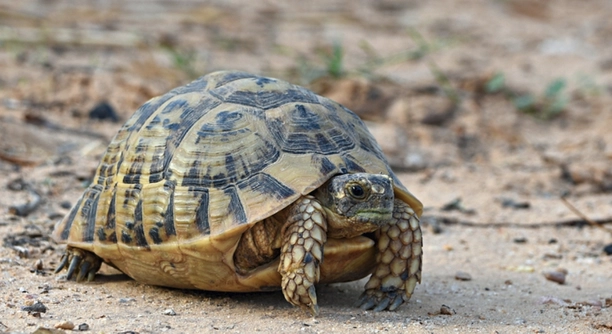
Russian tortoises are fascinating pets, but it’s important to know what they should and shouldn’t eat. Their diet plays a significant role in their overall health. Knowing which foods to avoid is crucial for their well-being.
Some foods can be harmful or toxic to Russian tortoises. Offering them the wrong foods can cause digestive issues, poisoning, or even death. It’s vital to avoid certain fruits, vegetables, and other common foods to ensure their safety and health.
Providing your tortoise with the correct diet is a key part of their care. Learning about the foods that should never be fed to them will help you keep them healthy and happy. Let’s explore the details.
1. Avocados
Avocados are often seen as a healthy option for humans, but they can be dangerous for Russian tortoises. This fruit contains a substance called persin, which can cause heart problems, difficulty breathing, and even death in tortoises. While it might seem harmless, even small amounts of avocado can be toxic.
It’s important to be cautious with any foods you offer your tortoise. Avocados should be kept completely out of reach.
Russian tortoises have sensitive digestive systems, and even tiny bits of avocado can disrupt their health. While the green part of the avocado might look appealing to us, it can cause severe harm to your pet’s organs. The risks are significant enough that it’s better to avoid the fruit entirely. Other foods like leafy greens or grasses are safer alternatives. If you do suspect that your tortoise has eaten avocado, it’s essential to contact a vet immediately to prevent serious issues. Always research before adding any new foods to their diet to ensure they stay safe.
2. Iceberg Lettuce
Iceberg lettuce, though a common food for many animals, doesn’t offer the nutritional value Russian tortoises need. It contains mostly water and lacks essential vitamins and minerals. It can fill them up without providing any real benefits.
Russian tortoises require a diet rich in fiber and nutrients, which iceberg lettuce simply does not offer.
While a small piece won’t harm your tortoise, feeding it regularly can lead to nutritional deficiencies. It might cause digestive issues and overall poor health over time. Opt for darker, more nutrient-dense leafy greens like kale, collard greens, or dandelion leaves. These alternatives provide much more value and keep your tortoise strong and healthy. Stick with these safer choices to avoid the consequences of poor nutrition. Iceberg lettuce is best left out of their diet.
3. Rhubarb
Rhubarb is another food that should never be fed to Russian tortoises. The leaves contain high levels of oxalic acid, which is highly toxic to them. Even small amounts can cause kidney failure, tremors, or death. Avoid rhubarb at all costs.
While rhubarb stalks might seem harmless, the leaves are extremely toxic. The high oxalate content interferes with calcium absorption and can lead to serious kidney damage. It’s better to stick to foods with lower oxalate levels. Always ensure you’re feeding your tortoise safe, healthy foods to avoid poisoning and other health issues. Remove any rhubarb plants from your tortoise’s habitat to be extra cautious. If your tortoise happens to eat any rhubarb, it’s best to consult a vet immediately.
Russian tortoises need calcium to maintain strong bones, and rhubarb disrupts this process. While some vegetables may seem safe, rhubarb is one to always avoid. Stick with leafy greens like kale or dandelion leaves, which provide essential nutrients without the risk. Prevention is key when it comes to ensuring the health of your tortoise.
4. Citrus Fruits
Citrus fruits like oranges, lemons, and grapefruits should never be fed to Russian tortoises. They contain high levels of acid, which can upset your tortoise’s digestive system. The acidity can lead to stomach upset and even long-term health problems if eaten regularly.
Acidic foods can interfere with the normal pH balance in your tortoise’s stomach. While a tiny bit of citrus might not immediately harm your pet, the long-term effects can be damaging. Regular consumption of citrus fruits can cause digestive distress, resulting in diarrhea, dehydration, or even more severe issues. Always avoid citrus fruits to protect your tortoise’s health.
Some other fruits might be okay for occasional treats, but citrus should never be on the menu. Stick to safe options like strawberries or blueberries in moderation. Your Russian tortoise will appreciate the gentler fruits that don’t disrupt their system. It’s always a good idea to research any new foods before offering them to your tortoise.
5. Processed Foods
Processed foods like chips, crackers, or fast food are not suitable for Russian tortoises. These foods are high in salt and artificial additives, which can be harmful to their health. Feeding them processed foods can lead to dehydration, kidney issues, and other serious health problems.
Russian tortoises have very specific dietary needs that cannot be met by processed foods. These foods often contain preservatives and chemicals that can damage their delicate digestive systems. A healthy diet for a tortoise should focus on fresh vegetables, grasses, and safe fruits. Stick to natural foods to ensure they stay healthy and strong.
Feeding processed foods might seem convenient, but it’s important to prioritize your tortoise’s long-term health. Even small amounts can have lasting negative effects. It’s easy to find safer, more appropriate foods that your tortoise will thrive on.
6. Dairy Products
Dairy products, like milk or cheese, are also a big no for Russian tortoises. They cannot properly digest dairy, which can lead to digestive problems like diarrhea or bloating. Avoid these completely.
Dairy is not a natural part of a tortoise’s diet. They lack the enzymes needed to process milk products, which can cause severe stomach upset. Some people may think dairy is a good source of calcium, but it’s not suitable for tortoises. Stick to plant-based calcium sources like dark leafy greens or calcium supplements.
FAQ
What can I feed my Russian tortoise instead of the foods you listed?
You can feed your Russian tortoise a variety of leafy greens and safe vegetables. Good options include dandelion leaves, collard greens, mustard greens, and kale. You can also offer grasses like timothy hay, which is great for their digestion. Avoid vegetables like iceberg lettuce, which offer little nutritional value. For fruits, try small amounts of strawberries, apples, or blueberries. Always ensure that any new food is safe and appropriate for their diet.
Can Russian tortoises eat flowers?
Yes, Russian tortoises can eat certain types of flowers. Safe flowers include dandelions, hibiscus, and clover. These are nutritious and add variety to their diet. Just make sure the flowers are pesticide-free. Avoid feeding them flowers that could be toxic, such as azaleas or lilies. It’s always best to research any flower before offering it to your tortoise.
Is it safe to feed my tortoise grains or seeds?
Grains and seeds are not recommended for Russian tortoises. They are not a natural part of their diet and may cause digestive issues. Tortoises need a high-fiber, low-protein diet, and grains or seeds can disrupt their digestive system. Stick with leafy greens, vegetables, and some fruits for a balanced, nutritious diet. If you want to provide variety, you can offer safe flowers or herbs instead.
How much should I feed my Russian tortoise?
Russian tortoises should be fed every other day, depending on their age and size. Younger tortoises may need more frequent feeding, while adults usually only need food every two to three days. A typical serving should be about the size of their shell. Always ensure they have access to fresh water and avoid overfeeding, as tortoises can become overweight, leading to health problems.
Can I feed my tortoise the same thing every day?
It’s not a good idea to feed your Russian tortoise the same food every day. A varied diet helps provide different nutrients and keeps things interesting for your pet. Try to mix different safe greens, vegetables, and fruits. Diversity in their diet also helps ensure they’re getting all the vitamins and minerals they need for healthy growth and a strong immune system.
Are there any other foods I should avoid giving my Russian tortoise?
Yes, there are several other foods you should avoid feeding your tortoise. These include potatoes, onions, garlic, and any kind of processed or sugary food. Additionally, avoid feeding them high-oxalate vegetables like spinach or beets in large amounts. Oxalates can interfere with calcium absorption and cause health issues. Be sure to keep a close eye on what you’re feeding them to avoid harmful foods.
How do I know if my tortoise has eaten something harmful?
If your tortoise has eaten something harmful, you may notice symptoms like loss of appetite, lethargy, diarrhea, or difficulty breathing. In some cases, poisoning from certain foods can cause neurological symptoms such as tremors or seizures. If you suspect your tortoise has eaten something toxic, contact a vet immediately for guidance. Early treatment can help prevent severe damage to their health.
Can I feed my tortoise weeds from my yard?
You can feed your tortoise certain weeds from your yard, but you need to be very careful. Not all weeds are safe, and some may have been treated with chemicals. Safe weeds include dandelions, clover, and plantain. Be sure to identify the weeds first and make sure they haven’t been exposed to pesticides or herbicides. Always ensure the plants are safe for your tortoise before offering them.
Is it okay to give my Russian tortoise treats?
Treats can be offered occasionally, but they should never make up the majority of your tortoise’s diet. Small pieces of fruit like berries, apples, or melon are good treat options. However, treats should only be given sparingly to avoid upsetting their digestive system. Focus primarily on providing leafy greens and safe vegetables for the main part of their diet.
What should I do if my tortoise refuses to eat?
If your Russian tortoise refuses to eat, it could be a sign of stress, illness, or improper environmental conditions. Check their habitat to ensure they have appropriate temperatures, humidity, and lighting. Also, make sure the food you’re offering is fresh and suitable for their diet. If the refusal to eat continues for more than a few days, contact a vet to rule out any health issues.
Final Thoughts
Feeding your Russian tortoise the right foods is essential for their health and well-being. While many foods may seem safe or even appealing, it’s crucial to remember that some common items can be harmful or toxic. Avoid feeding them processed foods, citrus fruits, dairy, and certain vegetables like iceberg lettuce or rhubarb. By keeping their diet simple and focused on natural, nutrient-rich greens, you can help them live a long, healthy life. Make sure to offer a variety of safe foods to meet all their nutritional needs and avoid any harmful effects.
The key to keeping your tortoise healthy lies in understanding what they need and providing it consistently. The best diet for a Russian tortoise consists of dark, leafy greens, grasses, and safe fruits in moderation. This not only supports their digestive health but also helps in maintaining strong bones and a robust immune system. Fresh water should always be available to keep them hydrated, and their food should be free of any pesticides or chemicals. Additionally, creating a proper habitat with the right temperature and humidity levels is just as important as their diet.
Ultimately, by staying informed about what’s safe for your tortoise, you can avoid common mistakes that might harm them. It’s important to always research and be cautious when introducing new foods to their diet. If you’re ever in doubt, consulting with a veterinarian can help ensure that your Russian tortoise stays healthy and happy. With the right care and attention, your tortoise can thrive for many years to come. Keeping their diet balanced and providing them with the proper environment is the best way to ensure they enjoy a long, fulfilling life.

Hello,
If you enjoy the content that we create, please consider saying a "Thank You!" by leaving a tip.
Every little bit helps us continue crafting quality advice that supports the health, happiness, and well-being of pets around the world, for pets of all shapes, sizes, and species.
We really appreciate the kindness and support that you show us!