
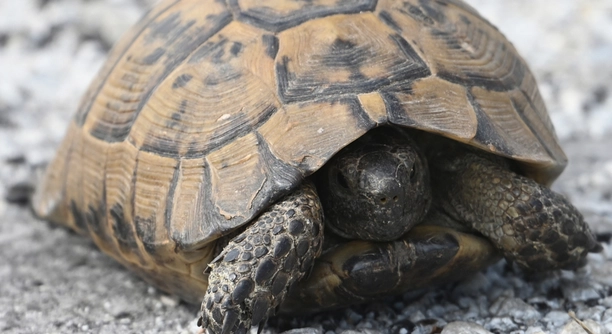
Is your Russian tortoise bumping into walls often, leaving you puzzled about its behavior? Understanding why this happens can help you ensure your pet is happy and healthy.
The most likely cause of a Russian tortoise repeatedly bumping into walls is either confusion due to poor visibility or a lack of proper space. In some cases, it could indicate stress or health issues, requiring further attention.
Recognizing these signs early can make a big difference in your tortoise’s well-being. Let’s explore what you can do to address this behavior.
Possible Causes for the Behavior
There are several reasons why a Russian tortoise might bump into walls. One of the most common causes is poor visibility. If your tortoise’s enclosure is too small or lacks proper lighting, it might not be able to see its surroundings clearly. This confusion can lead it to bump into objects while trying to navigate. Another potential cause is stress. If the environment is not suitable—whether it’s too noisy, too small, or overcrowded—your tortoise may become anxious, making it more prone to this behavior. Sometimes, it could even be a sign that your pet feels trapped or confined, prompting it to try to escape. If your tortoise is repeatedly bumping into walls, pay attention to its surroundings and overall behavior to determine the cause.
Sometimes, a change in the environment can help reduce this issue. Ensuring your pet feels safe and has space to roam is important.
A tortoise that is constantly bumping into walls could also be struggling with health issues. If your pet is older or has underlying medical conditions, its mobility might be affected. Vision problems are another possible factor, as tortoises rely heavily on their sight to move around and find food. This can be difficult to detect unless you observe your tortoise closely. If the bumping behavior persists, and you’ve ruled out other causes, a visit to a vet is a good idea. A vet can assess whether there is a physical issue that needs to be addressed, such as eye problems or joint issues that hinder movement.
Creating a Better Environment
To reduce the chances of your Russian tortoise bumping into walls, it’s essential to provide a comfortable and spacious living area. Make sure its enclosure is large enough for it to move around freely, with enough room for it to explore. Proper lighting is also important, as tortoises rely on natural light or UVB lamps to regulate their activity. Without sufficient lighting, they may become disoriented and start bumping into things. Adding obstacles like rocks, logs, or plants will also allow your tortoise to feel more secure and create a more natural environment for it to explore.
Sometimes, a simple redesign of the enclosure can help. Give your tortoise more space to roam, and ensure it feels relaxed and safe.
Stress and Overcrowding
Stress can make a tortoise act out, including bumping into walls. If your tortoise feels threatened or insecure, it might be trying to escape or find safety. Loud noises, sudden changes, or too much interaction can trigger this behavior. Another factor is overcrowding. If your tortoise’s space is shared with other pets or animals, it may feel stressed and unable to roam freely. The key is to create an environment that feels secure, calm, and spacious.
To reduce stress, keep the enclosure quiet and stable. Avoid placing it in high-traffic areas where it can be disturbed easily. It’s also helpful to give your tortoise some alone time, as constant handling may contribute to anxiety. Additionally, consider the social dynamics if you have more than one pet. Too many animals in a small space can lead to tension and discomfort. If possible, provide separate areas for each pet to ensure everyone has the space they need.
Overcrowding can also affect a tortoise’s access to food and water. When there isn’t enough space to move around or find resources, a tortoise might become frustrated. This frustration may cause it to act out by bumping into walls or attempting to escape. Each tortoise has its own territory needs, so understanding the right balance of space is crucial. Make sure your pet has adequate room to explore, eat, and rest without feeling cramped.
Health Issues and Mobility Problems
Health issues could be a hidden factor contributing to your tortoise’s unusual behavior. Joint problems, eye issues, or neurological disorders may make it harder for your tortoise to navigate its environment. If your pet has difficulty seeing or moving, it might bump into walls as it tries to move around. These issues can be harder to detect but should be taken seriously, as they can affect your tortoise’s quality of life. A vet’s evaluation can help determine if a health problem is causing this behavior.
Sometimes, aging tortoises develop mobility problems that make them more prone to bumping into obstacles. Older pets may have difficulty moving as smoothly as they once did, and this could cause them to accidentally hit walls. Arthritis, for example, is common in older tortoises, limiting their movement and flexibility. Regular checkups with your vet can help identify these issues before they become serious. Early intervention can often make a big difference in improving your tortoise’s ability to move around comfortably. Addressing these problems ensures your pet can live its best, most active life possible.
Enclosure Design and Setup
The layout of your tortoise’s enclosure plays a huge role in its comfort. A cramped or poorly arranged setup can confuse and frustrate your pet, leading to unwanted behaviors like bumping into walls. Ensure the space is well-organized with clear paths for your tortoise to navigate.
Adding hiding spots and structures like rocks or logs can help make your tortoise feel more secure. By creating a natural environment, you give your pet more confidence to move freely without the risk of constant collisions. This also encourages exploration, reducing stress and anxiety.
Vision and Lighting
Tortoises rely on their sight to move around and find food. Poor lighting or inappropriate setup can cause vision issues, making it difficult for your tortoise to see where it’s going. Natural sunlight or a proper UVB light can help improve their eyesight and behavior.
Without proper light, a tortoise may feel disoriented, bumping into objects out of confusion. If you’re unsure about the light setup, check with a vet to ensure your tortoise’s needs are met. Proper lighting not only aids vision but also supports your pet’s overall health and activity.
Nutrition and Hydration
A lack of proper nutrition can sometimes lead to behavioral changes in tortoises. If your pet isn’t getting the right amount of food or water, it may become weak or sluggish, which could make it more prone to bumping into walls. Always provide a balanced diet that includes fresh greens and vegetables.
Inadequate hydration can also have a similar effect. Ensure your tortoise has access to fresh, clean water at all times. A well-fed and hydrated tortoise is more likely to remain active and navigate its environment with ease.
FAQ
Why is my Russian tortoise constantly bumping into things?
If your tortoise is bumping into walls or other objects, it could be due to a number of factors. Often, this behavior is related to poor visibility, stress, or an overcrowded environment. Your tortoise might not be able to see clearly because of inadequate lighting or if the enclosure is too small for it to move freely. In other cases, the behavior might be a response to stress or discomfort, especially if there are too many animals in the space or if the environment feels unsafe. Health problems, such as vision issues or joint pain, could also be contributing to this behavior.
How can I help my tortoise feel less stressed?
To help your tortoise feel less stressed, it’s important to provide a calm and secure environment. Keep its enclosure in a quiet part of the house, away from loud noises and constant traffic. Avoid handling your tortoise too frequently or at times when it may be resting. Ensure it has enough space to roam and plenty of hiding spots or obstacles to help it feel more secure. A consistent day-night cycle with proper lighting will also contribute to a more relaxed atmosphere. Minimizing any disturbances and creating a peaceful space will go a long way in reducing stress.
Can a small enclosure cause my tortoise to bump into things?
Yes, a small enclosure can cause your tortoise to feel cramped and disoriented, leading to behaviors like bumping into walls. Tortoises need room to roam and explore, so a small or overcrowded enclosure can lead to frustration and confusion. Ensure that the space is large enough for your tortoise to move around freely. A good rule of thumb is to provide at least 4 square feet of space per tortoise. In addition, make sure the enclosure is set up with proper hiding spots and natural structures, like rocks and logs, so your tortoise can move about with confidence.
What should I do if I suspect my tortoise has vision problems?
If you suspect that your tortoise is having trouble seeing, observe its behavior closely. If it appears to have difficulty finding food or navigating around the enclosure, it might be struggling with vision issues. The best course of action is to consult with a vet who specializes in reptiles. The vet can perform a full check-up to assess the health of your tortoise’s eyes and offer guidance on how to improve its vision. In some cases, your tortoise may need specialized care, such as treatment for eye infections or adjustments to the enclosure’s lighting.
Can my tortoise’s age affect its mobility?
As tortoises age, they can experience a decline in mobility due to joint pain, arthritis, or other health issues. Older tortoises may have difficulty moving around as easily as they did when they were younger, which could lead to behaviors like bumping into walls. If your tortoise is older and you’ve noticed a decline in its movement, it’s worth checking with a vet to see if there’s an underlying condition causing the issue. Providing a soft, easy-to-navigate surface in the enclosure and offering extra support, like ramps or platforms, can help your aging tortoise stay active and comfortable.
How can I make my tortoise’s enclosure more comfortable?
Creating a comfortable enclosure for your tortoise involves providing enough space, appropriate lighting, and a secure environment. Ensure the enclosure is large enough for your tortoise to move around and explore freely. Include areas where it can hide, as well as obstacles like rocks and logs to stimulate natural behaviors. Good lighting, including UVB lights, is crucial for your tortoise’s health and vision. A consistent temperature, humidity, and access to fresh food and water are also important. Regularly clean the enclosure to keep it fresh and free of bacteria.
Is it normal for my tortoise to bump into walls occasionally?
Occasional bumping is not unusual for tortoises, especially when they are exploring or adjusting to a new environment. However, if this behavior becomes frequent or seems excessive, it could be a sign of an issue with visibility, health, or stress. If your tortoise is only occasionally bumping into things and seems otherwise healthy, it’s likely just part of its natural exploration process. If the behavior persists or appears to worsen, it may be worth evaluating the enclosure setup, lighting, and your pet’s health to rule out any underlying problems.
How can I tell if my tortoise is stressed?
Stress in tortoises can manifest in several ways. Common signs of stress include pacing, digging, or bumping into walls. If your tortoise is acting unusually aggressive, withdrawn, or lethargic, it could also be a sign of stress. Additionally, stress can cause a lack of appetite, difficulty breathing, or even physical changes like shell deformities. If you notice any of these signs, it’s important to assess the environment and make adjustments to reduce stress. Consult with a vet if you believe the stress may be related to a medical issue or if the behavior does not improve with environmental changes.
What should I feed my tortoise to prevent health problems?
A balanced diet is essential to your tortoise’s overall health. Russian tortoises mainly eat leafy greens, such as kale, collard greens, and dandelion leaves, with occasional additions of vegetables like squash and carrots. Offer a variety of food items to ensure a well-rounded diet. Avoid feeding too many high-protein foods or fruits, as these can cause digestive issues. Fresh water should always be available, and calcium supplementation may be necessary to maintain strong bones and a healthy shell. A proper diet will help keep your tortoise active and healthy, reducing the chances of mobility problems or stress-related behaviors.
How can I tell if my tortoise has a health problem?
It’s important to monitor your tortoise for any signs of illness or discomfort. If your tortoise is consistently bumping into walls or behaving differently than usual, it may indicate a health issue. Other signs to watch for include lack of appetite, unusual lethargy, difficulty moving, or abnormal shell appearance. If you notice any of these symptoms, it’s a good idea to take your tortoise to a vet for a check-up. Reptile vets can provide a thorough examination and offer treatment if needed. Regular monitoring of your tortoise’s behavior and appearance will help catch potential health problems early.
Understanding why your Russian tortoise is bumping into walls can help you address the issue and create a better living environment for your pet. There are several reasons why this could be happening, including poor visibility, stress, or health problems. By carefully observing your tortoise’s behavior and checking its surroundings, you can often identify the root cause. Whether it’s a lighting issue, lack of space, or signs of discomfort, taking the time to assess the situation can make a big difference in your tortoise’s well-being.
Making sure your tortoise has enough space to move around, proper lighting to help with vision, and a stress-free environment are some of the first steps you can take. A secure, spacious enclosure will allow your tortoise to feel safe and comfortable. It’s also important to consider its diet and hydration, as these factors play a key role in its overall health. If your tortoise is older, mobility issues or vision problems could be contributing to the behavior, so a vet visit may be necessary. Understanding your pet’s needs and adjusting its environment accordingly is essential for preventing further problems.
If the behavior continues despite making these changes, it’s worth consulting a veterinarian. Sometimes the cause of the problem is more than just an environmental factor, and a health issue may be present. Addressing the situation early will help ensure your tortoise remains healthy and active. Overall, by providing the right care, attention, and environment, you can improve your tortoise’s quality of life and reduce behaviors like bumping into walls. The goal is to create a safe, comfortable space where your tortoise can thrive and move freely without confusion or stress.

Hello,
If you enjoy the content that we create, please consider saying a "Thank You!" by leaving a tip.
Every little bit helps us continue crafting quality advice that supports the health, happiness, and well-being of pets around the world, for pets of all shapes, sizes, and species.
We really appreciate the kindness and support that you show us!