
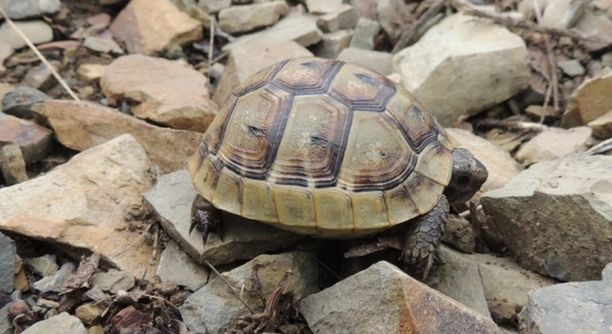
Russian tortoises can be sensitive creatures, and understanding what might stress them is essential for their well-being. By recognizing what causes anxiety, you can help them feel safe and comfortable in their environment.
Various factors can cause anxiety in Russian tortoises, such as sudden temperature changes, loud noises, unfamiliar surroundings, or inadequate space. Stress can also be triggered by improper handling or the presence of other aggressive animals.
Addressing these triggers is key to promoting a calm and healthy life for your tortoise. Learning about them helps ensure your pet is happy and stress-free.
Sudden Temperature Changes
Russian tortoises are sensitive to temperature fluctuations. If their environment is too hot or too cold, they can become stressed. A stable temperature is important for their well-being, as it influences their digestion and overall health. If the temperature drops too low, they might become lethargic and may stop eating. On the other hand, overheating can lead to dehydration and discomfort.
Make sure their habitat stays within the ideal range of 75°F to 85°F (24°C to 29°C). A thermometer in their enclosure helps you monitor this more easily. Additionally, ensure that the area has a warm basking spot and a cooler zone for them to regulate their body temperature naturally.
If the temperature fluctuates drastically, whether from a malfunctioning heat source or exposure to drafts, your tortoise may feel anxious and unsettled. Keeping the environment consistent is crucial in preventing stress and maintaining a healthy, thriving tortoise.
Loud Noises and Sudden Movements
Loud noises can stress out your tortoise. They are not used to the sounds of a busy household or sudden movements.
Constant noise, like from televisions, loud conversations, or music, can make them feel threatened. Their natural instinct is to hide when they are frightened. It’s important to place their enclosure in a quiet area of the house, away from heavy traffic or noise.
In addition to sound, fast movements can also upset them. Their reaction to sudden actions, such as reaching into their tank quickly or sudden movements near their enclosure, can cause anxiety. Over time, this can lead to chronic stress if they feel continuously threatened. To help, avoid startling your tortoise and keep its environment as calm as possible.
Inadequate Space
Russian tortoises need ample space to roam. If their enclosure is too small, they can become stressed and anxious. A cramped space limits their natural behaviors, like foraging and exploring, which are essential for their mental health.
A proper enclosure should allow enough room for them to move around comfortably. Aim for at least 4 square feet of space for one tortoise. If possible, a larger area with different substrates and hiding spots will make them feel more at ease. It’s also essential to ensure that they have space to safely climb, dig, and bask.
Without sufficient space, tortoises can develop stress-related behaviors. They might pace or become lethargic. By increasing their habitat size and providing enrichment, you can keep them happy and relaxed, which supports both their mental and physical health.
Improper Handling
Handling a Russian tortoise the wrong way can cause them unnecessary stress. They can become frightened if they are grabbed or handled roughly, leading to anxiety and discomfort.
When picking up your tortoise, always support its body properly and be gentle. Avoid quick movements or lifting them by the legs. Instead, scoop them up carefully, holding them close to your body to make them feel secure. This helps them understand they are safe and reduces the stress of being handled.
If you handle your tortoise too often or in a way that makes them feel trapped, it can lead to more anxiety. While occasional interaction is good, always ensure you’re making it a calm experience for your tortoise.
Presence of Other Animals
Russian tortoises can become anxious if there are other animals in their environment. If there are other pets, such as cats or dogs, nearby, they may feel threatened or unsafe. This can cause them to hide or act defensively.
Ensure that your tortoise has a secure and peaceful space where it doesn’t have to interact with other animals. Even if other pets are well-behaved, their presence can create a stressful atmosphere for a tortoise. Keeping your tortoise in a separate area can provide the calm it needs to thrive.
A tortoise’s natural response to feeling threatened is to retreat into its shell. This means your pet could hide for long periods if other animals are around. Allowing your tortoise to have a peaceful, undisturbed environment will help reduce stress and anxiety over time.
Overcrowding in the Enclosure
Overcrowding can cause stress in Russian tortoises. Too many tortoises in one space can lead to competition for food, basking spots, and hiding places. This can make your tortoise anxious.
In a crowded enclosure, tortoises may also display more aggressive behaviors towards each other. Territorial disputes or even accidental harm can lead to additional stress. Always monitor interactions between multiple tortoises to ensure no one is being bullied or overwhelmed.
Keeping a single tortoise in an enclosure ensures its space and well-being. If housing multiple tortoises, make sure the space is large enough to prevent conflicts and provide ample resources for each one.
FAQ
How can I tell if my Russian tortoise is stressed?
There are a few signs to watch for. If your tortoise is hiding more often than usual, pacing, or avoiding food, these may indicate stress. Additionally, if your tortoise is excessively defensive or aggressive, this could be a response to feeling threatened. A stressed tortoise might also appear more lethargic, showing little interest in activities it typically enjoys, like exploring or basking. If you notice these changes, it’s essential to assess its environment for potential stressors.
What temperature is ideal for my Russian tortoise’s enclosure?
The ideal temperature range for a Russian tortoise’s habitat is between 75°F to 85°F (24°C to 29°C). You should have a basking spot that’s slightly warmer, around 90°F (32°C), where they can regulate their body temperature. Ensure that the enclosure also includes a cooler area for your tortoise to retreat to if it gets too hot. Having a temperature gradient within the tank allows your tortoise to choose the area that feels most comfortable for it.
Can my Russian tortoise be kept with other pets?
It’s best to keep your Russian tortoise away from other pets, especially if they are not reptiles. Cats, dogs, and other aggressive animals can stress your tortoise by trying to interact with it or by creating a threatening atmosphere. If you do have other pets, make sure the tortoise’s enclosure is secure and separate from them. This will ensure that your tortoise feels safe and has the space it needs.
What should I feed my Russian tortoise to keep it healthy?
Russian tortoises are herbivores, and their diet should consist of a variety of leafy greens and vegetables. You can feed them dandelion greens, collard greens, and kale, among other safe greens. It’s also important to provide them with small amounts of fruit occasionally, such as berries or melon. Avoid feeding them high-protein foods or too much fruit, as this can upset their digestive system and lead to obesity.
How often should I handle my Russian tortoise?
Handling should be kept to a minimum to avoid stressing your tortoise. While it’s okay to interact with your pet occasionally, you should never force handling, and it’s important to be gentle when picking them up. Over-handling can cause anxiety, especially if it’s done too frequently. Only handle your tortoise when absolutely necessary, such as for cleaning the enclosure or during veterinary visits. If you want to bond with your tortoise, consider sitting near it and observing rather than touching it.
Can stress affect my tortoise’s health?
Yes, chronic stress can negatively affect a Russian tortoise’s health. It can lead to a weakened immune system, making them more susceptible to illness. Stress can also interfere with their digestion and eating habits, leading to weight loss or lethargy. Long-term stress can even cause behavioral issues, like a refusal to eat or extreme hiding. Ensuring your tortoise’s environment is calm and consistent is vital for preventing stress-related health problems.
What kind of enclosure should I use for my Russian tortoise?
For a single Russian tortoise, a 40-gallon tank is generally considered the minimum size. However, larger is always better. Ideally, you want an enclosure that allows your tortoise to roam freely. You should also include a mix of substrates like soil, grass, or sand to encourage digging, as this is a natural behavior for them. The enclosure should be well-ventilated, secure, and equipped with a heat lamp to maintain the proper temperature gradient.
What are common mistakes that cause stress in Russian tortoises?
Overcrowding is a major mistake, as it creates competition for food, water, and space. Additionally, improper handling or sudden temperature fluctuations can lead to anxiety. Other stressors include improper lighting, dirty enclosures, and an unbalanced diet. All these factors can cause discomfort and anxiety for your tortoise. It’s important to create a stable, peaceful environment and avoid any disruptions that may cause unnecessary stress.
How long do Russian tortoises live?
Russian tortoises have an average lifespan of 40 to 50 years, but with proper care, some have been known to live even longer. Ensuring a stress-free environment, a balanced diet, and proper health care are essential for helping your tortoise live a long and happy life. The better the care you provide, the longer your tortoise can enjoy good health.
How can I reduce stress in my Russian tortoise’s environment?
To reduce stress, ensure that your tortoise’s habitat is quiet, calm, and secure. Keep them away from loud noises, sudden movements, and other animals. Provide enough space for them to roam and bask comfortably. Maintain a stable temperature, and make sure their food and water are clean and fresh. By creating a peaceful environment and handling them gently, you can significantly reduce the chances of your tortoise becoming anxious.
Final Thoughts
Understanding what causes stress in your Russian tortoise is key to helping it live a long, happy life. These animals are naturally shy and sensitive, so it’s important to create an environment that makes them feel safe. Small changes in their surroundings can make a big difference in their behavior and well-being. Whether it’s keeping their enclosure at the right temperature or ensuring they have enough space to move around, these are simple yet crucial steps to reduce anxiety.
Another important factor is diet. Feeding your tortoise a variety of fresh greens and ensuring that it’s not overcrowded or overhandled are important parts of managing stress. Russian tortoises need to feel secure to thrive. For example, too many animals in their enclosure can lead to tension, which can stress them out. Also, handling them gently and minimally helps them feel more comfortable in their space. If you notice signs of anxiety or behavioral changes, it’s always best to check the basics first—temperature, food, and space—before considering other factors.
By being mindful of these stressors, you can make sure your tortoise’s environment is as calm as possible. A stress-free tortoise is a healthy tortoise, and keeping their needs in mind is the best way to provide a peaceful life for your pet. With the right care, your Russian tortoise can live a long, happy, and stress-free life in your care. Keeping their well-being at the forefront of your routine ensures that your tortoise remains healthy for years to come.

Hello,
If you enjoy the content that we create, please consider saying a "Thank You!" by leaving a tip.
Every little bit helps us continue crafting quality advice that supports the health, happiness, and well-being of pets around the world, for pets of all shapes, sizes, and species.
We really appreciate the kindness and support that you show us!