
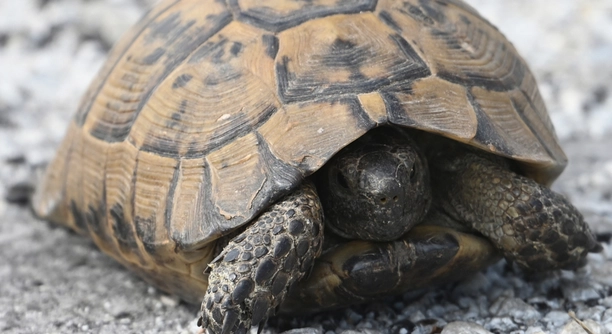
Introducing a new Russian tortoise to your home is an exciting experience, but it requires careful planning and attention. Properly welcoming your tortoise helps ensure it feels comfortable and safe in its new environment.
To safely introduce a new Russian tortoise, start by preparing a proper habitat with a suitable enclosure, warmth, and space. Gradually allow your tortoise to adjust to its new surroundings, and avoid overwhelming it with too much handling at first.
Understanding the right steps for a smooth transition can help reduce stress for your new tortoise. From setting up the ideal environment to creating a gentle introduction routine, it’s important to take it step by step.
Preparing the Right Habitat for Your Russian Tortoise
Before bringing your new tortoise home, it’s essential to have everything ready for a smooth transition. A proper enclosure should have plenty of space for the tortoise to roam, as Russian tortoises are active and enjoy exploring. The enclosure should be escape-proof with a secure lid or walls tall enough to prevent any escapes.
The temperature inside the habitat should mimic their natural environment. Keep the basking area warm, between 90-95°F (32-35°C), and provide a cooler area around 70-75°F (21-24°C). You will need to use a heat lamp or ceramic heater to ensure proper warmth. UVB lighting is also crucial for their health, as it helps them absorb calcium and avoid bone-related issues.
Make sure there is a hiding spot within the enclosure, as tortoises need a sense of security. Use natural materials such as rocks, logs, and soil to create a stimulating and comfortable environment. This will encourage natural behaviors like burrowing, which Russian tortoises instinctively do.
Slowly Introducing Your Tortoise to Its New Home
Once the habitat is set up, you can begin introducing your tortoise to its new environment. Start by letting it explore its space at its own pace without handling it too much.
This gives your tortoise time to adjust and get comfortable. Stress can lead to health issues, so it’s best not to rush the process. Avoid sudden movements or loud noises in the area during this time to create a calm environment.
Proper Diet for Your Russian Tortoise
Russian tortoises are herbivores, and their diet consists mainly of leafy greens, vegetables, and occasional fruits. Offer a variety of foods like dandelion greens, collard greens, and kale, but avoid lettuce varieties that are too watery.
They require a high-fiber diet to aid digestion, so provide fibrous plants and grasses regularly. Avoid feeding your tortoise high-oxalate foods like spinach, as it can cause calcium absorption issues. A small amount of fruit, such as strawberries or melons, can be offered as a treat occasionally.
Fresh water should always be available for hydration. Consider a shallow water dish to prevent drowning, and clean it regularly. Keep an eye on your tortoise’s eating habits and adjust the diet if needed. A well-balanced diet is key to a healthy and happy tortoise.
Handling Your Russian Tortoise
When handling your tortoise, it’s essential to be gentle and calm. Avoid picking it up by the legs or shell, as this can cause stress or injury. Always support its body with both hands, one under the shell and the other around its back for stability.
Russian tortoises are not used to frequent handling, so it’s best to limit the amount of time you pick them up. Start with short, calm interactions, allowing your tortoise to become familiar with your presence. Over time, you can gradually increase the duration of your handling sessions, but always monitor for signs of stress.
It’s important not to force your tortoise to interact. Let it move freely in its enclosure, and only pick it up when necessary, such as during cleaning or health checks. By respecting your tortoise’s boundaries, you can foster trust and create a better bond.
Monitoring Health and Behavior
Regularly check for any signs of illness or discomfort in your Russian tortoise. Watch for changes in eating habits, activity levels, or behavior. These can be indicators of health issues. A lack of appetite or lethargy may signal that something is wrong.
Check the shell regularly for cracks, soft spots, or unusual discoloration, as these can be signs of a health problem. The eyes should be clear and free of discharge. If your tortoise becomes unusually lethargic or shows abnormal behavior, consult a veterinarian with experience in reptiles.
It’s also important to ensure that your tortoise is active and moving around. A healthy tortoise should be active and engaged with its environment. If you notice any changes in its mobility, such as limping or hesitating to walk, this could be an issue that needs addressing right away. Regularly assessing your tortoise’s health helps prevent serious problems down the road.
Creating a Safe Outdoor Space
If you plan to let your tortoise spend time outdoors, make sure the area is secure and free from predators. A secure, enclosed yard or garden is ideal, with fencing that is buried into the ground to prevent escapes.
Check the area for any hazardous plants or chemicals, as these can be harmful to your tortoise. Avoid areas with pesticides or herbicides, as they can be toxic. Ensure there are shady spots where your tortoise can retreat to avoid overheating. Also, be mindful of other animals that might harm your tortoise.
Keeping the Habitat Clean
Regular cleaning of your tortoise’s habitat is essential for its health. Remove any uneaten food, feces, or soiled bedding daily to prevent bacteria buildup. A clean environment helps reduce the risk of infections or respiratory problems.
Once a week, deep clean the entire enclosure. Use reptile-safe disinfectants to clean the walls, flooring, and any decor. Make sure everything is completely dry before reintroducing your tortoise to its habitat. A fresh environment contributes to your tortoise’s well-being and comfort.
Ensuring Proper Lighting
Proper lighting is crucial for your tortoise’s health, especially for UVB exposure. Set up a UVB light source inside the enclosure, ensuring it provides the necessary wavelengths for calcium absorption.
UVB light also helps prevent metabolic bone disease and supports overall immune function. Make sure the light is on for 10-12 hours daily and replace it as needed, as UVB lights lose effectiveness over time. Place the light about 12-18 inches above the basking area to ensure optimal exposure.
FAQ
How long do Russian tortoises live?
Russian tortoises can live up to 40 years or more with proper care. Their lifespan largely depends on their diet, environment, and overall health. Providing them with the right habitat and regular veterinary checkups can help them reach their maximum life expectancy. Make sure they have a well-balanced diet and are housed in a stress-free environment.
How much space does a Russian tortoise need?
A Russian tortoise needs a spacious enclosure to explore. At minimum, the enclosure should be 4×8 feet for an adult tortoise. If kept outdoors, make sure the area is fully secured and large enough for your tortoise to roam freely. The more space, the happier and healthier your tortoise will be.
What should I feed my Russian tortoise?
Russian tortoises are herbivores and need a diet rich in fiber. Offer them dark leafy greens like collard greens, dandelion greens, and mustard greens. You can also add other vegetables like carrots, squash, and bell peppers. Avoid feeding them high-oxalate foods, like spinach, and limit fruits to occasional treats. Fresh water should always be available.
Do Russian tortoises need calcium supplements?
Yes, Russian tortoises need calcium to keep their bones strong. You can dust their food with a calcium supplement a few times a week. Make sure you also provide UVB lighting, as it helps them absorb calcium properly. Without proper calcium, they can develop metabolic bone disease.
How do I know if my tortoise is sick?
A sick Russian tortoise may show signs like lethargy, loss of appetite, abnormal breathing, or discharge from the eyes or nose. If you notice any of these symptoms, consult a reptile veterinarian immediately. Keeping an eye on your tortoise’s behavior and eating habits is key to catching any health problems early.
Can I house multiple tortoises together?
It’s generally not recommended to house multiple Russian tortoises together, especially males, as they can become territorial and aggressive. If you do decide to keep more than one, ensure that the enclosure is large enough to give them their own space. Providing enough hiding spots and basking areas can help reduce stress.
Do Russian tortoises need a heat lamp?
Yes, Russian tortoises need a heat lamp to maintain proper body temperature. Set up a basking area with a heat source to keep it between 90-95°F (32-35°C). The cooler end of the enclosure should be around 70-75°F (21-24°C). Without proper heat, your tortoise may become inactive or sick.
Can I take my Russian tortoise outside?
Yes, but only in a safe and controlled environment. If you have a secure outdoor space, you can allow your tortoise to roam, but be mindful of predators and environmental hazards. Never leave your tortoise unattended outside, and always make sure the temperature is within a comfortable range for them.
How often should I clean my tortoise’s enclosure?
Spot clean your tortoise’s enclosure every day, removing any uneaten food or waste. A deeper cleaning should be done once a week, where you clean the walls, floor, and any decorations with a reptile-safe disinfectant. This helps prevent bacterial growth and ensures a clean environment for your tortoise.
How do I handle my Russian tortoise?
When handling your Russian tortoise, be gentle and avoid picking it up too often. Use both hands to support its body, one under the shell and the other behind it. Never pick it up by the legs or tail, as this can cause injury or stress. Limit handling sessions to keep your tortoise feeling secure.
Can I feed my Russian tortoise fruit?
While fruits should only be fed sparingly, you can offer small pieces as a treat. Some good options are strawberries, melon, and papaya. Too much fruit can upset their digestive system or lead to obesity, so it’s important to keep fruits to a minimum and prioritize leafy greens and vegetables.
What temperature should my Russian tortoise’s enclosure be?
The basking area should be kept at around 90-95°F (32-35°C), while the cooler side of the enclosure should be about 70-75°F (21-24°C). This temperature range mimics their natural environment and helps regulate their metabolism. Always use a thermometer to monitor the temperature within the enclosure.
How do I provide UVB lighting for my tortoise?
UVB lighting is essential for Russian tortoises, as it helps them produce vitamin D3 and absorb calcium. Install a UVB bulb that covers about one-third of your tortoise’s enclosure. Ensure the bulb is replaced every 6 months, as its UVB output weakens over time. Make sure the light is placed 12-18 inches above the basking area for optimal exposure.
What type of substrate is best for a Russian tortoise?
For substrate, use materials like coconut coir, soil, or grass hay. Avoid using sand, as it can cause digestive issues if ingested. The substrate should be easy to clean, absorb moisture, and allow your tortoise to burrow naturally. It’s important to keep the substrate dry to prevent mold growth.
Final Thoughts
Bringing a Russian tortoise into your home is a rewarding experience that can last for decades. These creatures are hardy, gentle, and relatively easy to care for when their basic needs are met. By providing a proper habitat, a balanced diet, and regular health checks, you can ensure that your tortoise lives a long, healthy life. Remember, a little planning goes a long way. From setting up the right environment to establishing a feeding routine, the effort you put in will pay off in the happiness of your pet.
As you take care of your Russian tortoise, it’s important to observe its behavior closely. If you notice any changes in eating habits, activity, or overall health, don’t hesitate to consult a reptile veterinarian. Regular checkups can catch health problems early and help keep your tortoise in top condition. Handling your tortoise gently and giving it the space it needs will reduce stress and allow for a stronger bond over time. Be patient during the adjustment period as your tortoise becomes comfortable in its new home.
Ultimately, owning a Russian tortoise requires commitment, but it is a fulfilling responsibility. These animals are resilient, and with the right care, they thrive for years. The bond you form with your tortoise is unique and rewarding. By following the guidelines in this article, you will be equipped to give your tortoise the best possible life, ensuring that it remains healthy, happy, and active.

Hello,
If you enjoy the content that we create, please consider saying a "Thank You!" by leaving a tip.
Every little bit helps us continue crafting quality advice that supports the health, happiness, and well-being of pets around the world, for pets of all shapes, sizes, and species.
We really appreciate the kindness and support that you show us!