
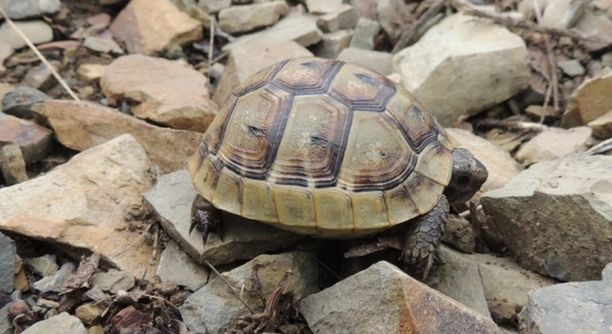
Is your Russian tortoise not growing as expected, leaving you concerned about its health and development? Growth issues in Russian tortoises can be caused by factors such as diet, habitat conditions, or underlying health problems, all of which require attention.
The most common reason why a Russian tortoise is not growing is inadequate nutrition. A poor diet lacking essential vitamins and minerals can slow growth. Additionally, improper lighting, temperature, and humidity levels in the enclosure can negatively impact their metabolism and development.
Proper care is essential to support your tortoise’s healthy growth. Understanding key factors like diet, habitat setup, and potential health concerns will help you provide the best care for your pet.
Common Reasons Your Russian Tortoise Is Not Growing
A lack of proper nutrition is one of the main reasons a Russian tortoise may struggle to grow. These tortoises need a diet rich in fiber, calcium, and essential vitamins. Feeding them only lettuce or fruit can lead to deficiencies that slow down growth. Another factor is incorrect lighting. Without proper UVB exposure, they cannot absorb calcium efficiently, leading to weak bones and stunted growth. Temperature also plays a role. If the enclosure is too cold, their metabolism slows down, affecting appetite and overall development. Hydration is equally important since dehydration can impact digestion and nutrient absorption.
Some tortoises may have underlying health conditions that hinder their growth. Parasites, respiratory infections, or metabolic bone disease can prevent them from thriving. Regular vet checkups are necessary to rule out any medical concerns that could be affecting their development.
Ensuring the right balance of diet, lighting, temperature, and hydration is key to helping your tortoise grow properly. Observing their behavior, weight, and shell condition can provide insight into whether they are getting the care they need. Simple adjustments to their enclosure and diet can make a significant difference in their growth over time.
How to Help Your Russian Tortoise Grow
Start by evaluating their diet. Russian tortoises thrive on leafy greens like dandelion, collard greens, and mustard greens. Avoid overfeeding fruit, as too much sugar can interfere with their digestion. Supplementing with calcium powder ensures they get the necessary nutrients for healthy growth.
Proper UVB lighting is essential for calcium absorption and shell development. Use a high-quality UVB bulb and ensure they receive 10 to 12 hours of light daily. The enclosure temperature should be maintained between 80°F and 90°F during the day, with a basking area reaching up to 95°F. At night, temperatures can drop to around 70°F. Providing a well-balanced humidity level, around 40–50%, helps prevent dehydration and shell problems.
Regular health checkups can catch issues early. If your tortoise is still not growing despite proper care, a vet visit can identify potential health concerns. Parasite infections, vitamin deficiencies, and metabolic disorders can be treated with proper medical intervention. By making these adjustments and monitoring their progress, you can help your Russian tortoise stay healthy and grow at a normal rate.
Signs That Your Russian Tortoise Is Not Growing Properly
A healthy Russian tortoise should have a smooth, firm shell and a steady weight gain over time. If their shell appears soft, bumpy, or discolored, it may indicate growth issues. Slow movement, lack of appetite, or lethargy are also signs that something may be wrong.
Weighing your tortoise regularly can help track their progress. A growing tortoise should gradually increase in weight, even if it’s slow. If their weight remains the same or decreases over several months, they may not be receiving proper nutrients. Checking their shell condition is also important. A shell that feels too soft or has visible deformities could be a sign of metabolic bone disease. Dry, flaky skin and sunken eyes may indicate dehydration, which can affect overall growth. Keeping track of these changes helps catch problems early before they become severe.
Behavioral changes can also indicate growth issues. A tortoise that hides excessively, refuses food, or avoids basking may be experiencing stress or illness. A lack of energy or difficulty moving can be linked to improper lighting, low temperatures, or an underlying health issue. If these signs persist, adjusting their environment and consulting a vet can help ensure their well-being.
Adjusting Their Habitat for Better Growth
A properly set up enclosure is essential for a Russian tortoise to grow. The habitat should be spacious, allowing for movement and exploration. A small or overcrowded enclosure can lead to stress and stunted growth. Using a substrate like a mix of topsoil and sand helps maintain proper humidity levels and allows for natural digging behavior.
The basking area should reach 95°F, while the cooler side of the enclosure should stay around 80°F. Using a high-quality UVB bulb ensures they absorb enough calcium to support shell and bone growth. The light should be on for 10 to 12 hours daily. Without adequate UVB exposure, tortoises can develop metabolic bone disease, leading to deformities and growth problems. Humidity should remain around 40–50%, as too much dryness can cause dehydration, while excessive moisture can lead to respiratory infections.
Enrichment also plays a role in growth. Providing hides, rocks, and plants encourages natural behaviors like climbing and burrowing. A stressed tortoise may eat less and remain inactive, slowing its growth. Keeping their environment stimulating and well-maintained supports their physical development and overall health.
The Role of Hydration in Growth
Dehydration can slow down a Russian tortoise’s growth and lead to serious health problems. A tortoise that isn’t drinking enough water may have sunken eyes, dry skin, or a flaky shell. Soaking them in shallow, lukewarm water a few times a week helps keep them properly hydrated.
A shallow water dish should always be available in their enclosure. It should be cleaned and refilled daily to prevent bacteria buildup. Foods with high water content, like cactus pads or leafy greens, can also help maintain hydration. Proper humidity levels further support hydration and overall health.
When to Seek Veterinary Care
If a Russian tortoise continues to struggle with growth despite proper care, a vet visit is necessary. Weight loss, soft shell texture, persistent lethargy, or appetite loss could indicate underlying health issues. Parasites, metabolic bone disease, or infections require medical treatment to prevent further complications. A vet can provide guidance based on their condition.
Final Thoughts
Consistent care, proper diet, and a well-maintained habitat are key to helping a Russian tortoise grow. Small changes can make a big difference in their health. Regular monitoring ensures they receive the best care possible for steady and healthy development.
FAQ
Why is my Russian tortoise not eating?
A lack of appetite can be caused by several factors. If the temperature or lighting is incorrect, your tortoise may feel too stressed to eat. Tortoises also lose their appetite if they are sick or dehydrated. Make sure their environment is set up correctly, with proper UVB lighting and temperature ranges. If the issue persists, check for signs of illness, such as lethargy or abnormal behavior. Sometimes, they may also refuse food due to changes in their diet or overfeeding. A balanced diet with variety is crucial to maintaining interest in eating.
How much should my Russian tortoise eat?
A Russian tortoise should be offered food daily. Their diet mainly consists of dark, leafy greens such as collard greens, dandelion greens, and mustard greens. Avoid overfeeding them fruit or high-protein foods, as this can lead to obesity and other health problems. Their portion size should be about the same size as their shell each day, though this varies based on age and size. Adjust portions based on their weight and appetite. Offering variety in their meals will help ensure they get all the necessary nutrients.
How often should I soak my Russian tortoise?
Soaking your Russian tortoise once or twice a week is recommended to keep them hydrated, especially if they are not drinking enough on their own. You can also soak them in lukewarm water for about 15-20 minutes, ensuring the water level is shallow enough for them to easily climb out. Be sure to monitor them during the soak to avoid overhydration. Regular soaking can prevent dehydration, which is essential for their health and proper growth.
What temperature should my Russian tortoise’s enclosure be?
The daytime temperature should range between 80°F and 90°F in their enclosure, with a basking area reaching 95°F. At night, the temperature can drop to around 70°F to 75°F. Too cold of an environment will slow down their metabolism and growth. It’s important to have a temperature gradient in the enclosure so they can move between warmer and cooler areas as needed. Use a thermometer to monitor the temperature regularly and ensure it stays within the ideal range.
What kind of lighting does my Russian tortoise need?
UVB lighting is essential for Russian tortoises to absorb calcium and prevent metabolic bone disease. A UVB light should be provided for 10 to 12 hours a day, mimicking the natural sun cycle. Make sure the light is positioned properly and covers a large portion of the enclosure. It’s also important to change the UVB bulb every 6 months, as its effectiveness decreases over time, even if it still emits visible light. In addition to UVB, they also need a heat source, like a basking lamp, to maintain the proper temperature in their habitat.
How do I know if my Russian tortoise is sick?
Signs of illness in a Russian tortoise can include lethargy, loss of appetite, abnormal shell appearance, runny nose, or watery eyes. If you notice these symptoms, it’s best to consult a vet. Health problems can arise from improper care, such as incorrect temperature, humidity, or diet. Metabolic bone disease, respiratory infections, and parasites are common health issues. Early detection is important to prevent the condition from worsening, so keeping track of their behavior and physical condition is key to their long-term health.
How can I tell if my Russian tortoise is growing properly?
A healthy Russian tortoise will gradually gain weight and increase in size. They should have a smooth, hard shell without soft spots or deformities. If they seem lethargic or stop growing altogether, this could indicate an issue with their diet, lighting, or health. Regularly weighing them and monitoring their shell condition can help you track their growth. If they are not growing as expected, it may be necessary to reassess their care and environment.
Can my Russian tortoise live outside?
Russian tortoises can live outside if the climate is suitable. They thrive in warm, dry climates and can be kept outdoors in an enclosed garden during warm months. However, they need protection from extreme temperatures, predators, and excessive moisture. It’s important to create a safe outdoor enclosure with access to both shaded and sunny areas, as well as a secure place to burrow. In colder climates, they should be brought inside for the winter months. Always monitor outdoor conditions to ensure your tortoise remains safe and healthy.
Can I feed my Russian tortoise fruit?
Fruit should be given to your Russian tortoise only in moderation. While fruits like strawberries, apples, or melon can be offered occasionally as a treat, they are high in sugar and can cause digestive issues if fed in excess. The majority of their diet should consist of high-fiber, leafy greens, with small amounts of fruits and flowers added in as supplements. Stick to leafy greens as the mainstay of their diet for optimal health and growth.
How do I help my Russian tortoise shed its skin?
Russian tortoises naturally shed their skin and scutes (the outer layers of their shell). If your tortoise has trouble shedding, it could be due to insufficient humidity or dehydration. Providing a humid environment or soaking them in lukewarm water can help them shed more easily. Be careful not to pull off shedding skin or scutes forcefully, as this can cause injury. If shedding issues persist, consult a vet for advice. Keeping their habitat clean and hydrated will promote healthy shedding.
Taking care of a Russian tortoise involves a combination of the right diet, a properly maintained habitat, and regular health checks. Ensuring they have access to the proper lighting, temperature, and humidity is crucial for their overall growth and well-being. A balanced diet with plenty of leafy greens and occasional treats will help them stay healthy and grow at a normal pace. Avoiding overfeeding and providing a variety of foods will also prevent nutritional imbalances that could hinder their development.
A healthy Russian tortoise should show steady growth, clear eyes, and a smooth shell. Any signs of illness, such as lethargy, loss of appetite, or changes in their shell, should be addressed promptly by adjusting their care or consulting a veterinarian. Keeping a consistent routine, including regular soaking and hydration, is important for supporting their health. Growth can sometimes be slow, but steady progress is key. If you notice your tortoise is not growing as expected or displaying unusual behavior, it’s always good to review their care plan and make any necessary adjustments.
In the end, creating an environment that closely mimics their natural habitat will go a long way in helping your Russian tortoise thrive. While they may require some attention and observation, the effort you put into their care will reward you with a healthy, active pet. Remember, every tortoise is unique, and understanding their individual needs and adjusting your care accordingly will help them reach their full potential. With the right approach, your Russian tortoise can live a long, healthy life.

Hello,
If you enjoy the content that we create, please consider saying a "Thank You!" by leaving a tip.
Every little bit helps us continue crafting quality advice that supports the health, happiness, and well-being of pets around the world, for pets of all shapes, sizes, and species.
We really appreciate the kindness and support that you show us!