
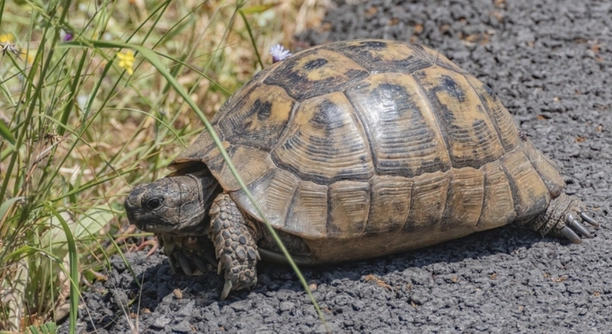
Is your Russian tortoise eating inedible objects, leaving you concerned about its health? This behavior, known as pica, can lead to serious digestive issues. Understanding the causes and prevention methods is essential for keeping your tortoise safe and healthy.
The most effective way to prevent your Russian tortoise from eating inedible objects is by providing a well-balanced diet, proper habitat enrichment, and regular monitoring. Ensuring adequate nutrition, offering safe chewing alternatives, and eliminating hazards can significantly reduce the risk of accidental ingestion.
Providing a secure and stimulating environment will help keep your tortoise from harmful behaviors. Learning the key factors behind this issue will allow you to take the necessary steps to ensure your pet’s well-being.
Understanding Why Your Russian Tortoise Eats Inedible Objects
Russian tortoises may eat inedible objects due to nutritional deficiencies, boredom, or environmental stress. If their diet lacks essential minerals, they may instinctively seek out non-food items. A lack of stimulation can also lead to exploratory chewing, while an unsuitable habitat may cause stress-related behaviors. Identifying the specific cause is important for effective prevention.
A diet rich in fiber, calcium, and essential nutrients can help reduce the urge to eat inedible objects. Providing a variety of leafy greens, vegetables, and occasional supplements will ensure your tortoise receives proper nutrition and minimizes unusual eating behaviors.
Aside from diet, environmental enrichment plays a key role. Offering safe chewable items, such as cuttlebone or edible plants, can satisfy natural foraging instincts. A spacious enclosure with proper temperature, humidity, and hiding spots will help reduce stress. Regularly monitoring your tortoise’s behavior allows you to detect and address any potential issues early.
Effective Ways to Prevent Inedible Object Consumption
Ensuring your Russian tortoise has access to a proper diet and engaging activities will significantly reduce the risk of eating harmful objects. Simple adjustments to their daily care routine can make a noticeable difference in their behavior.
Start by examining their diet. Offer a balanced mix of dark leafy greens, grasses, and calcium sources to meet their nutritional needs. Avoid feeding too much fruit or protein, as this can lead to imbalances that trigger unusual eating habits. Consider adding reptile-safe mineral supplements if necessary. Fresh, clean water should always be available to prevent dehydration, which can sometimes lead to odd cravings.
Habitat modifications are just as important. Remove any small or loose objects from their enclosure that could be accidentally ingested. Provide natural foraging opportunities by scattering food in different areas to encourage movement. Introduce safe enrichment items like edible plants, logs, and textured surfaces. If your tortoise continues to eat inedible objects despite these efforts, consulting a reptile veterinarian can help identify any underlying health concerns.
Adjusting Feeding Habits to Prevent Unsafe Eating
Providing the right food in appropriate portions can help prevent your tortoise from seeking inedible objects. Offering a well-balanced diet with high-fiber greens, calcium sources, and safe chewable items will reduce the risk of accidental ingestion and support overall health.
Rotate different leafy greens such as dandelion, collard greens, and mustard greens to maintain variety and nutritional balance. Avoid iceberg lettuce, as it lacks nutrients and does not satisfy hunger effectively. Supplement their diet with occasional flowers, such as hibiscus or nasturtiums, to encourage natural foraging behaviors. If your tortoise needs extra calcium, provide cuttlebone or a calcium supplement without phosphorus to support shell and bone health.
Monitor feeding habits closely. If your tortoise frequently ignores food or appears uninterested, check for underlying issues like improper temperatures or health concerns. Place food in different areas to encourage movement and natural foraging behaviors. Spreading meals out rather than offering everything at once can keep them engaged and reduce the likelihood of boredom-driven chewing.
Creating a Safe and Engaging Habitat
A well-structured enclosure with stimulating elements will keep your tortoise occupied and reduce the temptation to eat non-food items. Eliminating hazards while incorporating safe enrichment activities will create a healthier environment for your pet.
Ensure the enclosure is spacious, with a secure substrate like a mix of topsoil and play sand to promote natural digging behaviors. Avoid substrates with small, loose particles that could be accidentally ingested. Provide various hiding spots using logs, rocks, and plants to reduce stress and give your tortoise places to retreat. Safe climbing structures and different textured surfaces can encourage exploration while minimizing boredom.
Regularly inspect the habitat for potential hazards. Remove small objects that could be swallowed, such as pebbles or artificial decorations. Check that food and water dishes are secure and free from contamination. Maintain proper lighting, temperature, and humidity to keep your tortoise comfortable and less likely to develop stress-related eating habits. These adjustments will support their natural instincts while preventing unsafe behavior.
Recognizing Signs of Unsafe Eating
Watch for signs that your tortoise is consuming inedible objects, such as unusual chewing behavior, reduced appetite, or lethargy. If you notice small particles or foreign materials in their droppings, it could indicate accidental ingestion. Early detection can prevent more serious health complications.
If your tortoise shows signs of distress, such as straining to pass waste, swelling, or unusual inactivity, seek veterinary attention immediately. An obstruction can become life-threatening if not addressed quickly. Regularly monitoring their behavior and environment will help catch potential issues before they escalate.
When to Seek Veterinary Help
If your tortoise persistently eats inedible objects despite dietary and environmental changes, a veterinary visit is necessary. An exam can help identify possible health concerns, such as nutritional deficiencies or digestive issues. X-rays may be required to check for blockages, and the vet can recommend further dietary adjustments or medical treatments if needed.
Maintaining a Healthy Routine
Establishing a consistent routine with proper feeding times and enrichment activities can significantly reduce unsafe eating behaviors. A stable environment with minimal stress, regular health checkups, and a varied diet will help keep your tortoise healthy and prevent future issues.
FAQ
Why is my Russian tortoise eating non-food items?
Russian tortoises may eat inedible objects due to nutritional deficiencies, boredom, or environmental factors. If their diet lacks essential nutrients, they may instinctively seek other materials to compensate. Inadequate enrichment or a lack of stimulation can also lead to exploratory chewing and ingestion of foreign objects.
What are common inedible objects that Russian tortoises try to eat?
Small rocks, plastic decorations, substrate particles, and fabric fibers are common items they may accidentally ingest. Tortoises may also chew on cage accessories, wires, or artificial plants. Removing these hazards and ensuring a clean, safe environment can help prevent accidental ingestion.
Can eating inedible objects be harmful to my tortoise?
Yes, consuming non-food items can cause serious health issues such as intestinal blockages, choking, or internal injuries. Some materials, like plastic or synthetic fibers, can lead to digestive complications. If ingestion occurs, monitoring for signs of distress is essential, and veterinary care may be necessary.
How can I stop my tortoise from eating unsafe items?
Providing a nutrient-rich diet, a well-structured habitat, and engaging enrichment activities can reduce the likelihood of unsafe eating. Remove small objects from their enclosure, offer a variety of safe chewable items, and ensure they have access to calcium sources like cuttlebone.
What should I do if my tortoise has eaten something inedible?
Monitor their behavior closely. If they show signs of discomfort, lethargy, or difficulty passing waste, seek veterinary help immediately. A vet may recommend X-rays to check for blockages or other complications. Prompt action can prevent more serious health problems.
Does boredom cause my tortoise to chew on inedible items?
Yes, boredom is a major factor. Russian tortoises are naturally curious and need mental and physical stimulation. Without enough activities, they may resort to chewing random objects. Providing hiding spots, climbing structures, and safe chewable materials can help keep them engaged.
Is my tortoise eating substrate dangerous?
It depends on the type of substrate. Loose substrates like sand, small gravel, or wood chips can pose a risk if ingested, leading to impaction. A safer option is a mix of soil and play sand or coconut coir, which allows for natural digging without major health risks.
Can stress cause my tortoise to eat non-food items?
Yes, stress can lead to abnormal behaviors, including eating inedible objects. Changes in environment, improper temperatures, or overcrowding can contribute to stress. Ensuring a stable routine, a comfortable temperature range, and a spacious enclosure can help reduce stress-related behaviors.
How can I ensure my tortoise gets enough calcium without eating foreign objects?
Offer calcium-rich foods such as dandelion greens, collard greens, and mustard greens. A cuttlebone in the enclosure provides an additional source of calcium. Avoid excessive phosphorus in their diet, as it can interfere with calcium absorption.
Should I be worried if my tortoise bites enclosure decorations?
Yes, artificial decorations made of plastic or other synthetic materials can be dangerous if ingested. If your tortoise regularly bites these items, replace them with natural, non-toxic alternatives such as wood, smooth stones, or edible plants.
Why does my tortoise chew on fabric or wires?
Tortoises may chew on fabric or wires due to curiosity or a lack of proper chewable items. Exposed wires can be a serious hazard, posing risks of injury or electrocution. Keep wires out of reach and provide safe materials for natural chewing behaviors.
Can hydration affect my tortoise’s eating habits?
Yes, dehydration can sometimes cause unusual eating behaviors. Ensure fresh water is available at all times and provide regular soaks to keep your tortoise hydrated. Proper hydration supports digestion and reduces the risk of consuming foreign objects.
How can I tell if my tortoise has an intestinal blockage?
Signs of an intestinal blockage include lack of appetite, straining to pass waste, swelling, and lethargy. If you suspect a blockage, seek veterinary care immediately. A vet can perform imaging tests to determine the severity and recommend appropriate treatment.
Are all plants safe for tortoises to chew on?
No, some plants are toxic and can cause serious health issues. Avoid plants like ivy, azaleas, and lilies. Safe options include hibiscus, dandelions, and clover. Research any plant before placing it in your tortoise’s enclosure to ensure it is safe for consumption.
What role does lighting play in my tortoise’s eating behavior?
Proper lighting is crucial for digestion and nutrient absorption. Without adequate UVB exposure, tortoises may develop calcium deficiencies, leading to abnormal cravings. Ensure they receive 10–12 hours of UVB lighting daily to support healthy eating habits.
Can my tortoise outgrow this behavior?
While some tortoises may lose interest in chewing non-food objects as they age, the behavior can persist if environmental or dietary issues are not addressed. Preventative measures, such as a balanced diet and engaging habitat, will help minimize unsafe eating behaviors over time.
Final Thoughts
Russian tortoises are naturally curious and may sometimes attempt to eat non-food items. This behavior can stem from nutritional deficiencies, boredom, stress, or an unsuitable environment. Identifying the cause and making necessary adjustments can help prevent health risks. A well-balanced diet, proper lighting, and a clean enclosure play a significant role in keeping your tortoise safe and healthy. Regular monitoring ensures that unusual eating behaviors are addressed before they become serious problems.
Providing enrichment is essential for preventing destructive behaviors. Safe chewable objects, climbing structures, and varied textures in their habitat can keep them mentally and physically engaged. Avoiding hazardous materials, such as small rocks, synthetic decorations, or exposed wires, is equally important. Hydration, proper substrate, and access to calcium sources also contribute to their well-being. Keeping their environment stimulating and safe reduces stress and prevents unnecessary risks.
A healthy tortoise requires attention to detail, from its diet to its enclosure setup. Ensuring proper care will minimize unwanted behaviors and support long-term health. If your tortoise continues to eat non-food items despite adjustments, consulting a veterinarian is the best course of action. Proactive care and regular observation help create a safe, enriching environment where your tortoise can thrive.

Hello,
If you enjoy the content that we create, please consider saying a "Thank You!" by leaving a tip.
Every little bit helps us continue crafting quality advice that supports the health, happiness, and well-being of pets around the world, for pets of all shapes, sizes, and species.
We really appreciate the kindness and support that you show us!