
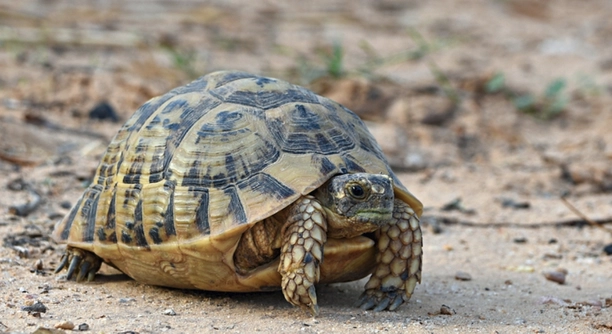
Russian tortoises are known for their calm and gentle nature, but handling them can sometimes cause stress. Understanding how to keep them calm is key to ensuring a positive experience for both you and your tortoise.
The best way to keep a Russian tortoise calm during handling is by providing a secure, comfortable environment. Avoid sudden movements and ensure your tortoise feels supported. This helps reduce stress and encourages a calm demeanor during interaction.
By following these simple tips, you can ensure your tortoise feels safe and secure while being handled. This knowledge will lead to a better bond and a more relaxed experience for both you and your pet.
Handling Your Russian Tortoise Gently
When handling your Russian tortoise, one of the most important things to remember is to approach it slowly and gently. Tortoises, being naturally shy creatures, can easily become frightened by sudden movements. Always be mindful of their body language, and avoid grabbing them abruptly. Instead, gently scoop them up from underneath, supporting their whole body. By providing steady support and keeping movements slow, you’ll prevent stress and allow your tortoise to feel more secure. It’s essential to avoid grabbing them by the shell, as this can cause discomfort.
It’s important to create a calm environment before picking up your tortoise. Low noise levels and no sudden disturbances will make handling less stressful for them.
Keeping your Russian tortoise in a familiar environment also plays a significant role in calming them down during handling. Try not to take them to unfamiliar places, as new surroundings can increase anxiety. A calm and quiet space will help your tortoise feel safe when you need to interact with them.
Handling With Care
Keeping your tortoise calm during handling means being patient. Allow your pet to adjust to your touch without rushing. Try not to force them into any specific position, as this can cause unnecessary stress. Instead, let them explore your hands at their own pace, slowly gaining trust and comfort with each interaction. If your tortoise seems agitated, try placing them back down gently and allowing them to move around freely for a while. Always remain calm yourself, as your demeanor will influence how your tortoise reacts. The more relaxed you are, the more your tortoise will learn to trust you.
Minimize Stressful Environments
Make sure your Russian tortoise is not exposed to stressful environments. Bright lights, loud noises, and sudden movements can make them feel threatened. Keep their habitat as calm and quiet as possible, especially when handling them. This will help them feel secure and relaxed.
Tortoises rely heavily on their senses to navigate the world. A stressful environment with strong sensory inputs can overwhelm them. Ensure that their space is peaceful, with dim lighting and minimal disturbance. This makes handling time easier for both you and your tortoise. When they feel safe, they are less likely to react negatively during interactions.
Additionally, it’s important to have a dedicated space for handling your tortoise. Avoid picking them up near their food or water, as these areas should remain places of comfort. Taking them to a quiet area away from their usual habitat can help them feel more secure.
Keep Handling Sessions Short
Limit the amount of time spent handling your tortoise. Overhanding them can increase stress, especially if they’re not used to being handled for long periods. Keep initial sessions brief, allowing your tortoise to gradually adjust to the experience.
As your tortoise becomes more comfortable, you can extend the duration of your handling sessions. However, always observe their behavior. If they seem stressed or try to retreat into their shell, it’s a sign they need a break. The goal is to make each interaction a positive experience, and keeping the sessions short at first helps with this.
Avoid the urge to hold your tortoise for long periods, even if they seem calm. Allow them to explore and move around on their own to avoid making them feel trapped or overwhelmed.
Use a Calm Voice
When interacting with your Russian tortoise, speak in a calm, soft voice. Loud or sudden noises can startle them, causing unnecessary stress. Speaking gently can help reassure them and make them feel more at ease.
Avoid raising your voice or making abrupt noises around them. A steady, soothing tone is ideal for keeping them calm.
Keep Your Movements Slow
Slow and deliberate movements are key to keeping your tortoise calm. Quick, jerky movements may frighten them. Always approach them at a steady pace and avoid sudden gestures.
This will help your tortoise adjust and trust you more over time. It will feel more comfortable in your hands.
Avoid Overhandling
Overhandling your tortoise can cause stress. Only handle them when necessary, keeping it brief. Let your tortoise have time to relax and explore its surroundings without constant interruptions.
This balance is important in fostering a positive relationship. If they seem uneasy, give them space to rest and recuperate.
FAQ
How do I know if my Russian tortoise is stressed during handling?
If your Russian tortoise is stressed, they may exhibit certain signs such as withdrawing into their shell, rapid breathing, or trying to escape. If you notice these behaviors, it’s a clear signal that your tortoise needs a break. Avoid handling them further until they appear more relaxed.
Can I handle my Russian tortoise every day?
It’s best not to handle your Russian tortoise daily, especially when they are new to you. Frequent handling can lead to stress and discomfort. Instead, start with short, gentle sessions a few times a week, gradually increasing as your tortoise becomes more accustomed to being handled.
What is the best way to pick up my Russian tortoise?
When picking up your tortoise, gently support their body from underneath. Avoid grabbing them by the shell, as this can be uncomfortable. Use both hands to carefully lift them, making sure to support their legs and keep them steady while you hold them.
How can I make my tortoise feel more comfortable while being handled?
To help your tortoise feel comfortable, keep the environment calm and quiet. Speak softly, and move slowly. Ensure they feel supported and secure in your hands. Give them time to adjust to your touch, and never force them into a position they’re not comfortable with.
Is it okay to take my tortoise outside during handling?
It can be fine to take your tortoise outside, but be cautious. Make sure the weather is mild and not too hot or cold, as tortoises are sensitive to temperature changes. Also, ensure the area is safe and free of predators or hazards.
How long should I handle my Russian tortoise at a time?
When starting, aim for handling sessions of about 5 to 10 minutes. You can gradually increase the time as your tortoise becomes more comfortable, but always pay attention to signs of stress. If they seem uncomfortable, end the session and give them space.
What should I do if my tortoise seems scared of me?
If your tortoise is scared, give them time to adjust. Avoid forcing them into any interaction. Speak softly, move slowly, and let them come to you when they’re ready. Over time, they will become more accustomed to your presence.
Can I let my tortoise roam freely during handling?
Allowing your tortoise to roam freely during handling can help them feel more in control and less stressed. However, always supervise them closely to ensure they are safe from any hazards or potential dangers.
Why does my Russian tortoise hide in its shell during handling?
Hiding in its shell is a natural defense mechanism. If your tortoise hides when being handled, it might be feeling threatened or anxious. Give them space and try handling them again later, slowly building trust and allowing them to feel more secure.
Should I give my tortoise a treat before or after handling?
Offering a treat after handling can help create positive associations with being handled. Avoid giving treats right before handling, as this might cause your tortoise to associate handling with food, potentially making them more focused on the treat than on being calm.
Can I train my Russian tortoise to enjoy handling?
Yes, with patience and consistency, you can train your tortoise to tolerate handling better. Start with short, calm sessions and reward them with treats or praise afterward. Over time, they will begin to associate handling with positive experiences.
Is it normal for my tortoise to be a bit nervous when I first get them?
Yes, it’s normal for tortoises to be nervous when introduced to a new environment or handler. They are creatures of habit, and it takes time for them to adjust to changes. Be patient, keep interactions calm, and allow them to get used to their new surroundings.
Final Thoughts
Handling a Russian tortoise can be a rewarding experience, but it requires patience and care. These reptiles are sensitive creatures and need time to adjust to new environments and people. By following the tips in this article, you can help your tortoise feel more comfortable during handling sessions. Understanding their body language and recognizing signs of stress will go a long way in ensuring that both you and your tortoise enjoy a positive interaction. Keep your movements slow and your voice calm, and always respect their space.
The key to successful handling lies in building trust. It’s important to approach your tortoise gently and avoid rushing the process. Every tortoise has its own personality, and some may take longer to adjust than others. Be patient and give them the time they need to feel secure. If at any point they seem overwhelmed, give them a break and try again later. Remember, consistent, positive experiences will lead to a calmer and more comfortable tortoise over time.
Above all, remember that your tortoise’s well-being should be your top priority. While handling can be a bonding experience, it should never come at the expense of their comfort. By creating a calm, supportive environment and respecting their natural instincts, you can enjoy a healthy and positive relationship with your Russian tortoise. Patience and care are the keys to success, and over time, you’ll both become more accustomed to each other’s presence.

Hello,
If you enjoy the content that we create, please consider saying a "Thank You!" by leaving a tip.
Every little bit helps us continue crafting quality advice that supports the health, happiness, and well-being of pets around the world, for pets of all shapes, sizes, and species.
We really appreciate the kindness and support that you show us!