
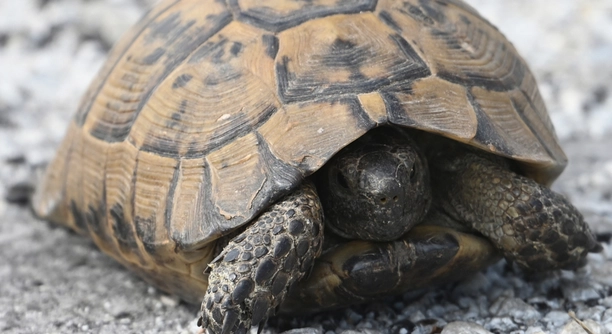
Is your Russian tortoise acting differently or showing subtle changes in behavior? Spotting early signs of illness is essential for keeping your pet healthy and ensuring timely care. Paying attention to small details can make a big difference.
Common early signs of illness in a Russian tortoise include lethargy, loss of appetite, wheezing, swollen eyes, and abnormal stool. Identifying these symptoms early allows for prompt veterinary care, improving the chances of successful treatment and recovery.
Recognizing these signs early helps protect your tortoise’s well-being and supports a healthier, happier life for your shelled companion.
Common Early Signs of Illness in a Russian Tortoise
Recognizing early signs of illness in your Russian tortoise is crucial for ensuring timely care. Lethargy is often one of the first signs—your tortoise may stop exploring or basking. Loss of appetite is another red flag, especially if your tortoise refuses favorite foods. Respiratory issues like wheezing or open-mouth breathing signal possible infections. Swollen or closed eyes can indicate vitamin deficiencies or infections, while abnormal stool may point to digestive problems or parasites. Shell softness in juveniles or shell discoloration in adults can signal metabolic issues. Being attentive to these subtle changes helps you intervene early and prevent the condition from worsening.
Early detection not only improves treatment success but also reduces stress on your tortoise. Monitoring behavior, appetite, and physical appearance regularly is essential.
Addressing these signs quickly ensures your tortoise stays healthy, giving you peace of mind and supporting its long-term well-being.
When to See a Veterinarian
Not all changes indicate a serious problem, but persistent or worsening symptoms require veterinary attention. If your tortoise refuses food for over a week, struggles to breathe, or has noticeable weight loss, schedule an appointment promptly. Eye swelling, nasal discharge, or significant changes in stool consistency should not be ignored.
A qualified reptile veterinarian can perform necessary diagnostics like blood tests, fecal exams, or X-rays to identify underlying issues. Timely treatment, whether antibiotics for infections or dietary adjustments for deficiencies, improves recovery chances. Delaying care can lead to complications that are harder to treat. Regular check-ups, even when your tortoise appears healthy, are also beneficial for preventative care. Establishing a relationship with a reptile vet ensures you have expert guidance when concerns arise. Taking swift action when symptoms appear shows your commitment to your tortoise’s health and helps prevent minor issues from becoming serious.
How to Monitor Your Russian Tortoise’s Health
Regular observation is key to catching health issues early. Watch for changes in eating habits, activity levels, and physical appearance. Consistent monitoring helps you notice subtle differences that may indicate a problem before it becomes serious.
Track your tortoise’s weight weekly using a kitchen scale, as weight loss is often an early sign of illness. Examine its shell for cracks, softness, or discoloration, which may suggest metabolic bone disease. Check its eyes for swelling or discharge and its nostrils for mucus, as these can indicate respiratory infections. Monitor bowel movements for irregularities like diarrhea or lack of stool, which may signal digestive problems. Logging these observations in a notebook or app can reveal patterns over time.
Establish a daily routine for checking your tortoise’s behavior and appearance. Early intervention reduces the risk of complications and makes treatments more effective. Small changes can be significant, so staying consistent is essential.
Preventative Measures to Keep Your Tortoise Healthy
Providing a proper habitat plays a major role in preventing illness. Maintain an optimal temperature gradient, UVB lighting, and appropriate humidity levels to support metabolism and immune health. Ensure the enclosure is clean to minimize the risk of infections and parasites.
A balanced diet rich in leafy greens, calcium, and vitamin supplements is crucial for shell and overall health. Avoid feeding high-protein foods, which can harm the kidneys. Regular access to clean water for drinking and soaking helps with hydration and digestion. Outdoor time in safe, natural sunlight can significantly boost vitamin D production. Quarantine new tortoises before introducing them to prevent spreading potential illnesses. Routine check-ups with a reptile veterinarian ensure underlying issues are addressed early. By creating a supportive environment and following consistent care practices, you can significantly reduce the chances of health problems and promote your tortoise’s long-term well-being.
Common Causes of Illness in Russian Tortoises
Poor habitat conditions, such as incorrect temperature, humidity, or lighting, can weaken your tortoise’s immune system. Lack of UVB light leads to metabolic bone disease, while dirty enclosures increase the risk of bacterial and parasitic infections.
An unbalanced diet can cause vitamin deficiencies or organ problems. High-protein foods harm the kidneys, and calcium deficiencies lead to shell deformities. Feeding a varied diet of leafy greens and supplements helps prevent these issues.
How Stress Affects Your Tortoise’s Health
Stress weakens your tortoise’s immune system, making it more vulnerable to illness. Common stressors include frequent handling, loud noises, sudden habitat changes, or cohabitation with other tortoises. Providing a stable environment, minimizing handling, and maintaining consistent conditions help reduce stress and support overall health.
Importance of Hydration
Proper hydration prevents kidney issues and aids digestion. Ensure fresh water is always available and provide regular soaking opportunities to keep your tortoise hydrated and healthy.
FAQ
What should I do if my Russian tortoise isn’t eating?
If your tortoise isn’t eating, first check its environment. Ensure the temperature, humidity, and lighting are optimal. A drop in appetite can often be linked to improper conditions. If the environment is fine, consider if your tortoise is stressed or ill. Try offering fresh, different foods, as this might stimulate its appetite. If it continues to refuse food for several days, consult a veterinarian for further advice.
How can I tell if my tortoise is dehydrated?
Dehydration can lead to severe health issues in tortoises. If your tortoise’s skin appears wrinkled or dry, or if its eyes are sunken, these are signs of dehydration. Additionally, a lack of regular soaking may contribute to this problem. Always provide fresh water and soak your tortoise for 20-30 minutes a few times a week to ensure proper hydration. If dehydration persists, seek veterinary help.
How do I know if my tortoise has a respiratory infection?
Signs of a respiratory infection in tortoises include wheezing, nasal discharge, and open-mouth breathing. You may also notice a decrease in activity or appetite. If you see these symptoms, it’s important to seek veterinary care as soon as possible. Respiratory infections can quickly worsen if left untreated and may lead to pneumonia or other complications.
What should I do if my Russian tortoise’s shell is soft?
A soft shell is often a sign of metabolic bone disease, usually caused by a lack of calcium and UVB light. Ensure your tortoise is getting enough calcium through its diet and consider using a UVB light source to help it synthesize vitamin D. If the shell remains soft despite dietary adjustments and UVB exposure, consult a veterinarian for a proper diagnosis and treatment plan.
Is it normal for a Russian tortoise to sleep a lot?
Tortoises are naturally more active during the day but may sleep for long periods, especially in cooler weather. However, if your tortoise is sleeping excessively and showing other signs like weight loss or lack of appetite, it could be ill. Keep track of your tortoise’s habits and, if you notice significant changes, take it to the vet for an evaluation.
Why is my tortoise not moving much?
Reduced movement can be a sign of many things, including illness, temperature issues, or stress. Ensure your tortoise’s enclosure is at the right temperature with both warm and cool areas. If it is still inactive after adjusting its environment, consider factors like illness, injury, or shell problems. If the inactivity persists, a visit to the vet is recommended.
How often should I soak my Russian tortoise?
Soaking your Russian tortoise once or twice a week is generally enough to keep it hydrated. However, if you notice signs of dehydration or your tortoise is eating dry foods, more frequent soaks may be necessary. Make sure the water is lukewarm and only lasts 20-30 minutes to avoid stress.
Can I house my Russian tortoise with other reptiles?
It’s generally not recommended to house Russian tortoises with other species, as different reptiles have varying care needs. Tortoises may also become stressed from interactions with other animals. If housing more than one tortoise, make sure there is enough space for each animal to have its own territory. Monitor their behavior closely for signs of aggression or stress.
How can I keep my Russian tortoise’s enclosure clean?
Maintaining a clean environment is crucial to your tortoise’s health. Spot clean daily by removing waste and uneaten food. Change bedding and disinfect the enclosure at least once a week to prevent bacteria and parasites from building up. Be sure to clean the water dish regularly to avoid contamination.
What temperature should my tortoise’s enclosure be?
Your tortoise’s habitat should have a temperature gradient, with a basking area between 90-95°F (32-35°C) and a cooler area around 75-80°F (24-27°C). This allows your tortoise to regulate its body temperature by moving between warm and cool zones. Keep the enclosure in a room with a stable temperature to avoid sudden temperature drops.
Can my Russian tortoise live outdoors?
Yes, Russian tortoises can live outdoors in suitable climates, particularly during the warmer months. They need a secure, escape-proof enclosure with access to natural sunlight and appropriate shelter. Ensure the area is free of predators, and always supervise outdoor time to prevent injury. In colder climates, they should be kept indoors during winter to avoid health problems.
What kind of lighting does my tortoise need?
Your Russian tortoise requires UVB lighting to synthesize vitamin D3, which helps it absorb calcium and maintain strong bones. Use a high-quality UVB bulb and ensure it is replaced every 6-12 months to maintain effectiveness. Place the light source over the basking area and give your tortoise about 10-12 hours of light per day.
How do I know if my tortoise has parasites?
Parasites in tortoises can cause symptoms such as weight loss, abnormal stool, lethargy, and poor appetite. If you notice these signs, a fecal test at the vet can confirm the presence of parasites. Treatment typically involves medication prescribed by a veterinarian to eliminate the parasites and restore health.
Why is my Russian tortoise’s shell turning black?
A blackened shell can be a sign of infection, shell rot, or fungal growth. If you notice this color change, carefully inspect the shell for soft or damaged areas. If the shell is soft or the tortoise is showing signs of illness, seek veterinary care immediately to prevent further damage.
Final Thoughts
Caring for a Russian tortoise requires attention to detail and consistency. By providing a proper habitat, balanced diet, and regular health checks, you can help ensure your tortoise lives a long, healthy life. Keep an eye on their behavior, and look out for any signs of illness. Early detection can make all the difference when it comes to treating health issues and preventing more serious complications.
It’s important to stay informed about the specific needs of your Russian tortoise. Every tortoise is different, and their care may need to be adjusted based on their individual needs or age. Providing a varied diet with leafy greens, occasional fruits, and the right supplements will help maintain their health. Adequate lighting and temperature control are essential to mimic their natural environment, which supports their overall well-being.
Remember that your tortoise relies on you for its health and comfort. Regular check-ups with a reptile vet are essential, especially if you notice any changes in behavior, appetite, or physical condition. A proper living environment, along with attention to their specific needs, ensures your Russian tortoise will thrive. A little extra care goes a long way in keeping them healthy and happy.

Hello,
If you enjoy the content that we create, please consider saying a "Thank You!" by leaving a tip.
Every little bit helps us continue crafting quality advice that supports the health, happiness, and well-being of pets around the world, for pets of all shapes, sizes, and species.
We really appreciate the kindness and support that you show us!