
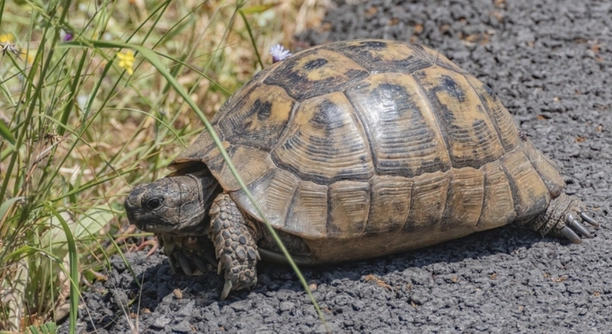
Sometimes, a Russian Tortoise may pace around its enclosure, leaving owners puzzled about the cause. This behavior can be frustrating, but understanding why it happens can help you find ways to make your tortoise feel comfortable again.
Pacing in Russian Tortoises is typically caused by stress, insufficient space, or unmet environmental needs. Ensuring a proper enclosure, consistent temperature, and enrichment can help reduce the pacing behavior and make your tortoise feel at ease.
There are simple steps to improve your tortoise’s environment, from setting up a more spacious habitat to adding enrichment tools that engage its natural instincts.
Understanding Why Your Russian Tortoise Is Pacing
Russian Tortoises are naturally active and curious creatures, but when pacing becomes excessive, it’s often a sign that something in their environment isn’t quite right. One of the most common causes is inadequate space. These tortoises need room to roam and explore. If their enclosure is too small, pacing becomes a way of trying to break free. Another reason could be stress from being handled too often or from loud noises in their surroundings. Additionally, lack of stimulation can also contribute to pacing. Without items to interact with, like rocks or tunnels, they may feel the need to move aimlessly.
Sometimes, pacing is also an indication that your tortoise is uncomfortable with the temperature or humidity levels in its habitat. Russian Tortoises require a warm environment to feel at ease. If it’s too cold or too hot, they’ll act out, including pacing.
In short, pacing is often a cry for attention. Once you address their space, comfort, and stimulation, your tortoise should begin to settle down. Understanding their needs will not only help stop the pacing but also promote their overall well-being.
Creating the Right Environment
To help your tortoise, start with its enclosure. Make sure it’s large enough, ideally 4 feet by 2 feet for one tortoise. The substrate should be easy to dig in, like coconut fiber or aspen. The temperature needs to stay between 75 and 85°F in the cooler part of the tank and between 90 and 95°F under the basking light. Humidity should be kept at around 40-50%, so don’t forget to provide a shallow water dish for hydration.
Your tortoise also needs natural enrichment. Including rocks, logs, and hideaways will mimic its natural environment, offering mental stimulation and places to explore. A few plants, such as dandelions or clover, can also encourage foraging, which is another way to reduce pacing.
By improving its environment, you’re not just stopping the pacing; you’re improving your tortoise’s overall health and happiness. Taking the time to adjust these factors shows your commitment to its care and well-being.
Handling Stress in Russian Tortoises
Stress is one of the most common causes of pacing. If your tortoise seems to be stressed, the first thing to consider is how often it’s being handled. Overhandling can overwhelm a tortoise, causing it to pace in its enclosure.
The key is to keep handling to a minimum, especially in the early stages of ownership. Tortoises are naturally shy, and constant attention can make them feel unsafe. Additionally, loud noises or fast movements near their habitat can be stressful. Try to place their enclosure in a quiet area of the house. If you have other pets, such as cats or dogs, keep them away to avoid additional stress.
Making your tortoise feel secure means reducing stress factors and giving it the time and space it needs to feel at ease. Stress reduction will encourage natural behavior, like exploring and resting, instead of pacing.
Providing Proper Lighting and Heating
Proper lighting and heating are essential for your tortoise’s health. They need a basking area that provides direct light, helping them regulate body temperature and digest food. Without this, pacing is common.
To set up a proper basking area, use a heat lamp that provides both UVB and UVA rays. These rays help your tortoise produce vitamin D3, which is essential for calcium absorption. Without it, your tortoise could become ill, leading to more stress and pacing. The basking area should be around 95°F, while the cooler areas should stay between 75-85°F.
If your tortoise isn’t getting enough UV light, it may feel uncomfortable, leading to pacing. By providing proper lighting, you give your tortoise the opportunity to regulate its body temperature and stay healthy, which reduces the pacing behavior. Proper heat and light setup make all the difference in their comfort.
Checking for Health Issues
If your tortoise’s pacing persists despite environmental changes, it’s important to consider potential health issues. Illnesses like respiratory infections or parasites can cause discomfort and restlessness.
A common sign of illness in tortoises is a change in behavior. If the pacing is accompanied by loss of appetite, swollen eyes, or mucus discharge, it’s time to consult a vet. Health problems can make your tortoise more irritable and agitated.
A thorough check-up will help rule out any underlying medical conditions that could be contributing to your tortoise’s behavior. Catching health issues early is crucial for preventing further complications.
Diet and Pacing Behavior
Diet plays a significant role in your tortoise’s behavior. Poor nutrition can lead to sluggishness or hyperactivity, both of which can contribute to pacing.
Feeding your Russian Tortoise a well-balanced diet with plenty of fiber-rich foods like leafy greens, grasses, and herbs will help regulate its behavior. Avoid feeding high-fat foods or too much fruit, as these can lead to health problems and irritability.
A balanced diet ensures your tortoise stays healthy and has enough energy to engage in normal, non-pacing activities.
FAQ
Why is my Russian Tortoise pacing all the time?
Pacing is a sign that your tortoise might not be comfortable with its environment. The most common reasons include a lack of space, stress, or unmet needs like lighting or heating. If your tortoise feels confined or its habitat is too hot or cold, it will often pace. It could also be seeking attention if it’s not getting enough enrichment or if it’s feeling lonely. Review your tortoise’s enclosure setup, and check that the temperature, humidity, and space meet its needs.
How can I reduce the pacing behavior of my tortoise?
To reduce pacing, first ensure that your tortoise has plenty of space to move around. An enclosure that’s too small can make them feel trapped. Adding rocks, tunnels, or plants to mimic their natural environment helps keep them entertained. Make sure their habitat has a proper temperature range, with a basking spot between 90-95°F and cooler areas at around 75-85°F. If they’re stressed from noise or frequent handling, try placing the enclosure in a quieter, more private area of your home.
How often should I handle my Russian Tortoise?
Handling should be kept to a minimum, especially in the first few weeks of ownership. Too much handling can stress your tortoise, contributing to pacing and other anxious behaviors. Aim to handle your tortoise for short periods when necessary, but don’t overdo it. Allow them to come to you on their own terms, and avoid picking them up too frequently. If handling is necessary, always do so gently, supporting their body to ensure they feel secure.
Can lighting cause my tortoise to pace?
Yes, improper lighting can lead to pacing. Russian Tortoises need both UVB and UVA light to regulate their body temperature and stay healthy. Without enough UVB, they can become stressed and exhibit pacing behavior. Make sure the basking area has a heat lamp that provides both UVB and UVA rays. The basking spot should be around 95°F, while the cooler parts of the enclosure should be kept between 75-85°F.
What type of diet can help my tortoise stop pacing?
A balanced diet is important for your tortoise’s overall health and can reduce pacing. Focus on providing a variety of leafy greens such as collard greens, dandelion leaves, and turnip greens. Avoid offering too much fruit or high-fat foods, as these can disrupt their digestive system and make them feel sluggish or agitated. A diet rich in fiber will also ensure they stay active and healthy. Be sure to provide fresh water and calcium supplements to support their health.
Is my tortoise pacing because it’s lonely?
While Russian Tortoises can live alone without issue, some may exhibit pacing behavior if they’re feeling isolated or bored. Providing plenty of enrichment, such as rocks, logs, and safe plants, can help your tortoise feel more comfortable. If you do have more than one tortoise, ensure that the enclosure is large enough for them to coexist peacefully. Overcrowding can also lead to pacing, so make sure each tortoise has enough space to roam and hide.
Should I be concerned if my tortoise is pacing in circles?
Pacing in circles can sometimes be a sign of frustration, boredom, or discomfort. It’s often linked to environmental factors, like not enough space or a lack of things to explore. If the pacing is continuous and the tortoise doesn’t stop to eat or rest, this may indicate that something in its habitat is wrong. Check the temperature, humidity, lighting, and space to ensure the conditions are ideal. If the behavior continues, it may be worth visiting a vet to rule out any health issues.
What can I do if my tortoise is pacing at night?
Pacing at night could be a sign that your tortoise is experiencing stress, or it might be a response to the temperature in the enclosure. Russian Tortoises are more active during the day and tend to rest at night, so if they’re pacing, it could be due to discomfort or disorientation. Check that the temperature and lighting are appropriate for both day and night cycles. Ensure the enclosure is dark and quiet at night, which might help your tortoise feel more secure.
Can my Russian Tortoise pace due to temperature fluctuations?
Yes, temperature fluctuations can make your tortoise restless. If the temperature in the enclosure fluctuates too much, it can cause stress and lead to pacing behavior. Make sure the temperature stays consistent within the ideal range, with a basking spot between 90-95°F and cooler areas at 75-85°F. Investing in a thermostat or thermometer to monitor the temperature is an easy way to avoid sudden changes that might disturb your tortoise.
How much space does my Russian Tortoise need?
Russian Tortoises require a lot of space to feel comfortable and reduce pacing. A minimum of 4 feet by 2 feet is ideal for one tortoise. The larger the space, the more opportunity your tortoise will have to roam, explore, and exhibit natural behaviors. If your tortoise is pacing, it may be a sign that the enclosure is too small and restrictive. Providing extra room will help alleviate this behavior.
Final Thoughts
When a Russian Tortoise starts pacing, it’s important to look at its environment first. Often, pacing is a sign that something isn’t quite right. Whether it’s a lack of space, improper temperature, or not enough stimulation, your tortoise is telling you that its needs aren’t being fully met. This is your opportunity to make adjustments to ensure your tortoise feels comfortable and secure in its habitat. It’s about paying attention to the details, like providing adequate space, making sure the temperature and humidity are correct, and giving them items to interact with. These changes will not only help stop the pacing but also contribute to your tortoise’s overall health and happiness.
Health issues can also contribute to pacing, and it’s something worth considering if environmental changes don’t make a difference. If your tortoise is pacing despite all efforts, a visit to the vet might be necessary. Illnesses like respiratory infections or parasites can cause stress, making your tortoise restless. By identifying and treating any health problems early, you’ll ensure your tortoise’s well-being in the long term. This will also give you peace of mind, knowing you’ve ruled out any serious issues that might be affecting its behavior.
Lastly, understanding your Russian Tortoise and its needs can make a huge difference. They are naturally curious animals, and with the right care, they’ll thrive. Giving them the proper environment, handling them gently, and providing a balanced diet are key steps in keeping them happy and healthy. By making these changes, you can stop the pacing and enjoy watching your tortoise explore and interact with its surroundings in a calm and natural way. A little extra effort goes a long way in ensuring your tortoise is content in its home.

Hello,
If you enjoy the content that we create, please consider saying a "Thank You!" by leaving a tip.
Every little bit helps us continue crafting quality advice that supports the health, happiness, and well-being of pets around the world, for pets of all shapes, sizes, and species.
We really appreciate the kindness and support that you show us!