
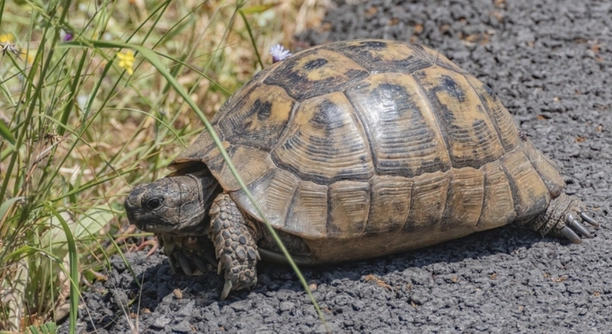
Russian tortoises can be delightful pets, but when they stop eating, it can be concerning. Understanding why they might lose their appetite is crucial for keeping them healthy and happy.
A decrease in appetite can be caused by factors such as improper habitat conditions, stress, illness, or poor diet. Monitoring their environment and health regularly is key to preventing and addressing these issues.
By recognizing these underlying reasons, you can help your Russian tortoise get back to its usual eating habits. Knowing how to respond will make a big difference.
1. Improper Habitat Conditions
Russian tortoises are sensitive to their environment. If the temperature, humidity, or lighting is off, it can cause them to stop eating. These tortoises need a specific temperature range to stay comfortable. A warm, dry area with a basking spot of around 95°F and a cooler area of 75°F is ideal. Too much heat or cold can affect their digestion and appetite. Make sure the humidity is also balanced, as they thrive in moderate conditions.
Temperature is crucial, and if it’s too cold or hot, they may refuse food. Proper lighting is another key factor; it should simulate natural sunlight, providing essential UVB for their health.
Check your tortoise’s habitat regularly, ensuring it’s free of drafts and that their basking area is at the right temperature. A stable environment is important for their digestion and overall well-being, keeping them active and hungry. Keep an eye on these conditions to maintain your tortoise’s health.
2. Stress from Changes
Tortoises are creatures of habit and can get stressed when their routine is interrupted.
Changes in their environment, like moving to a new tank or the presence of unfamiliar animals, can cause them to lose their appetite. They might feel threatened or unsure, leading them to avoid eating. It’s important to give them time to adjust to new surroundings.
In addition to physical changes, even noises or disruptions around the tank can lead to stress. Allow your tortoise a quiet, peaceful environment to recover from any changes. Keeping things consistent will help your tortoise feel secure enough to eat.
3. Illness or Health Problems
If your Russian tortoise isn’t eating, illness could be the reason.
Respiratory infections, parasites, or other health issues can cause a loss of appetite. It’s important to look for other signs, such as lethargy, wheezing, or swollen eyes. If these symptoms are present, it’s best to consult a veterinarian for a proper diagnosis.
A sudden change in behavior, like refusing food, could also indicate pain or discomfort. You might notice your tortoise becoming withdrawn or inactive. If these symptoms persist, don’t wait too long to get professional help. Timely intervention will prevent more serious health issues down the road.
4. Diet and Feeding Habits
What your tortoise eats can make a big difference.
If their food is unappealing or lacking in nutrients, they may lose interest in eating. Offering a variety of fresh vegetables and some safe fruits is a good way to entice them. Avoid feeding too many high-protein or high-fat foods, as they might affect their digestion.
The size and type of food matter too. If the food is too large or too small, it may be difficult for your tortoise to eat. Try chopping food into manageable pieces and avoid overly ripe fruits. Keep their diet balanced to maintain their health and appetite.
5. Overfeeding
If you’re feeding your tortoise too much, it can lead to a loss of appetite.
Overfeeding, especially with high-calorie foods, can cause your tortoise to feel full for longer periods. This reduces their hunger and interest in other meals. It’s important to find the right balance in their feeding schedule.
Consider adjusting portion sizes and cutting back on the number of treats you give. Overfeeding also puts additional strain on their digestive system, which may make them less likely to eat. Stick to a consistent feeding routine with appropriate amounts to encourage healthy eating habits.
6. Seasonal Changes
Russian tortoises naturally slow down in colder months.
During the winter, your tortoise may eat less due to decreased activity levels. This is normal, as their metabolism slows down when temperatures drop. Ensure they have access to proper lighting and heat to help regulate their behavior during these seasonal changes.
If your tortoise isn’t eating during the colder months, try adjusting their habitat temperature to mimic more natural conditions. This will help maintain their normal appetite and activity. Be mindful of the signs and adapt their care accordingly.
FAQ
Why is my Russian tortoise not eating?
There are several reasons why your Russian tortoise might stop eating. It could be due to improper habitat conditions, stress, illness, or even seasonal changes. Temperature imbalances, lack of proper lighting, or an uncomfortable environment could cause them to feel stressed or unwell. Illnesses like respiratory infections or parasites can also lead to a loss of appetite. Lastly, overfeeding or an unbalanced diet can affect their desire to eat.
How do I know if my Russian tortoise is sick?
If your tortoise is sick, you may notice changes in behavior, such as lethargy, wheezing, or difficulty breathing. They might also have swollen eyes, nasal discharge, or a runny nose. A sick tortoise may stop eating or drinking, appear sluggish, or hide more often than usual. If you notice these symptoms, it’s important to consult with a vet who specializes in reptiles. Early diagnosis can help avoid serious complications.
Should I worry if my Russian tortoise stops eating for a few days?
It’s normal for Russian tortoises to skip a meal now and then, especially if they’re adjusting to a change in their environment or during colder months. However, if they stop eating for several days and also show other signs of illness, it’s time to check their habitat conditions and health. Monitor their behavior closely, and if they continue to refuse food or show signs of distress, it’s best to seek professional advice.
Can stress cause my Russian tortoise to stop eating?
Yes, stress is a major factor in appetite loss for tortoises. If you’ve recently moved your tortoise’s enclosure or added new pets or loud noises to the environment, they may feel stressed. Tortoises are creatures of habit, and any changes can disrupt their eating patterns. Providing a calm and stable environment is key to reducing stress and encouraging your tortoise to eat again.
How can I improve my tortoise’s appetite?
Start by checking their habitat conditions—ensure that the temperature, humidity, and lighting are appropriate. Offering a variety of fresh, nutritious foods like dark leafy greens can also stimulate their appetite. Avoid offering too much of the same food and ensure the food is cut into manageable pieces. If overfeeding is an issue, adjust portion sizes. Giving your tortoise some peace and quiet away from disturbances will also help reduce stress.
Can overfeeding affect my tortoise’s appetite?
Yes, overfeeding can lead to a decrease in appetite. If your tortoise is eating more than they need, they may feel too full to eat their regular meals. Offering excessive amounts of food, especially treats, can make your tortoise lose interest in the food that’s most beneficial for their health. Stick to a proper feeding schedule and portion size to encourage balanced eating habits.
How does temperature affect my tortoise’s appetite?
Temperature plays a vital role in your tortoise’s appetite. If the enclosure is too cold or too hot, it can cause your tortoise to stop eating. A basking spot of around 95°F is necessary for their digestion, while the cooler side of their habitat should stay between 75-80°F. Make sure your tortoise has access to proper heating and UVB lighting to regulate their metabolism and encourage normal eating habits.
Is it normal for my Russian tortoise to eat less in winter?
Yes, it’s completely normal for Russian tortoises to eat less during the colder months. Their metabolism slows down as temperatures drop, and they may enter a state of dormancy or semi-hibernation. You should still offer food, but be mindful that their appetite may decrease during the winter. Just make sure they have access to the proper warmth to help them stay active and healthy.
What can I do if my Russian tortoise is picky about food?
If your tortoise is picky, try offering a variety of foods. Introduce new vegetables or fruits to see if they show interest in something different. Avoid feeding the same foods regularly, as this might cause boredom. Be sure to provide a balanced diet with a mix of leafy greens, herbs, and safe vegetables. Don’t overfeed them on treats like fruits, as these can cause them to become too full to eat their regular meals.
When should I consult a vet about my tortoise’s appetite?
If your tortoise continues to refuse food for more than a few days and shows signs of lethargy, abnormal behavior, or illness, you should consult a vet. A professional can help identify the underlying cause of the loss of appetite, whether it’s related to illness, habitat issues, or diet. Regular checkups with a reptile veterinarian are important to ensure your tortoise stays healthy.
Final Thoughts
When your Russian tortoise stops eating, it can be concerning, but understanding the possible causes can help you address the issue effectively. Proper habitat conditions, such as the right temperature, lighting, and humidity, play a key role in your tortoise’s health. Stress from changes in their environment, overfeeding, or even illness can also be factors that affect their appetite. By paying close attention to these aspects, you can create an environment that encourages your tortoise to eat and stay healthy.
If your tortoise’s appetite doesn’t improve after adjusting their habitat or diet, it’s important to consider the possibility of illness. Respiratory infections, parasites, and other health issues can lead to a loss of appetite. Observing other symptoms, like lethargy or nasal discharge, will help you determine if a visit to the vet is necessary. Early detection and treatment are crucial to prevent further complications and ensure your tortoise’s well-being. Don’t hesitate to seek professional advice if you suspect something might be wrong.
Lastly, while it’s normal for tortoises to eat less during the colder months or when adjusting to a new environment, any significant and prolonged loss of appetite should be addressed. Maintaining a consistent routine, providing a varied diet, and keeping their enclosure in optimal condition will support your tortoise’s appetite and health in the long run. By staying observant and proactive, you can help ensure your Russian tortoise leads a healthy, happy life.

Hello,
If you enjoy the content that we create, please consider saying a "Thank You!" by leaving a tip.
Every little bit helps us continue crafting quality advice that supports the health, happiness, and well-being of pets around the world, for pets of all shapes, sizes, and species.
We really appreciate the kindness and support that you show us!