
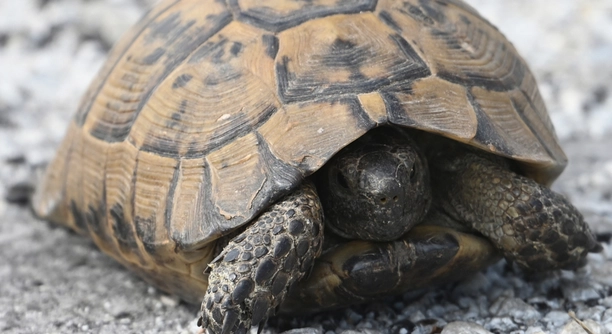
Russian tortoises are popular pets, known for their small size and calm nature. However, they can sometimes struggle with balance, tipping over in their habitats. Knowing how to prevent this is crucial for their safety and well-being.
To prevent a Russian tortoise from tipping over, ensure that their habitat is properly designed. Provide a flat surface with soft bedding, avoid large obstacles that may cause imbalance, and offer plenty of space to roam without obstacles.
By making a few simple adjustments to your tortoise’s habitat, you can greatly improve their comfort and reduce the risk of accidents. Understanding the importance of a stable environment will help keep your pet happy and healthy.
Creating a Stable Environment for Your Tortoise
One of the key ways to prevent your Russian tortoise from tipping over is by providing a stable environment. Make sure the surface of their habitat is even and soft to avoid any sudden shifts that could cause them to lose balance. A flat surface is essential for their movement, so avoid placing large rocks or furniture that may obstruct their way. Providing a well-maintained enclosure with soft bedding, such as hay or shredded paper, allows your tortoise to move freely and comfortably. Also, consider using low-sided containers for water and food dishes so your tortoise doesn’t have to struggle to reach them. These adjustments will help prevent any unnecessary accidents and improve their overall quality of life.
Small changes in their environment can make a significant difference. By keeping their space clean and organized, you reduce the risk of tipping. A clutter-free habitat is important for their safety.
A balanced environment also plays a role in their comfort. By adjusting the temperature and humidity levels, you create a space where your tortoise feels at ease. Too much heat or too little humidity could cause your tortoise to act sluggish or disoriented, which could lead to tipping over. It’s important to monitor these levels regularly to ensure they stay within the ideal range for your pet’s health. Adding natural elements like small plants and sand can also encourage your tortoise to explore safely without the risk of losing its footing. Keep in mind that providing a space where they can easily retreat to a safe corner is essential for their well-being.
Diet and Activity Level
Maintaining a proper diet and encouraging physical activity also help prevent tipping. Overfeeding can lead to excessive weight gain, which affects your tortoise’s balance. Be mindful of their food portions, offering fresh vegetables and avoiding too many high-calcium treats that could cause bloating or discomfort. A healthy weight helps your tortoise move around more freely and with stability.
Incorporating different textures in their living area also encourages your tortoise to stay active. Allowing them to roam and explore their environment helps keep them physically fit and balanced.
Proper Bedding for Your Tortoise
Using the right bedding in your tortoise’s habitat is essential. Soft, absorbent materials like shredded paper or coconut coir are great options. Avoid sharp or hard materials that could harm your tortoise. Proper bedding helps them maintain balance, as it cushions their movements and provides traction.
The bedding also absorbs moisture and keeps your tortoise comfortable. A good layer prevents slipping and offers the right level of support. Make sure to replace it regularly to keep the habitat clean and free of mold or bacteria. Keeping the bedding dry is just as important, as damp conditions can lead to health issues.
In addition to comfort, bedding affects your tortoise’s behavior. They will feel more at ease with soft and familiar textures. A well-chosen bedding material encourages natural digging behavior and promotes exploration, which keeps them active. Their shell and body will also be protected from hard, uneven surfaces, ensuring they stay upright.
Obstacle-Free Environment
Keeping the habitat free of large obstacles is important for your tortoise’s stability. Overcrowding their enclosure with rocks, plants, or furniture increases the chance of tipping. Instead, focus on open spaces where your tortoise can roam freely.
It’s crucial to create pathways that allow for easy movement. Avoid sharp objects or tall decorations that could cause your tortoise to fall over while navigating. Keeping the layout simple will not only reduce the risk of accidents but also make it easier to clean the habitat.
Adding low, stable items like small rocks or plants for enrichment is fine as long as they don’t create barriers. These elements can stimulate natural behavior, like hiding or burrowing, but they shouldn’t restrict your tortoise’s movement. A balanced setup with a mix of open space and low-level obstacles encourages healthy activity and reduces the chances of falls.
Proper Sizing of the Habitat
The size of your tortoise’s habitat plays a role in preventing tipping over. A cramped space can make it difficult for them to move around without obstacles. Make sure the enclosure is spacious enough to allow them to walk, explore, and turn without issue.
A larger space also encourages natural behaviors like grazing and basking, which keeps your tortoise active. It’s important to avoid overcrowding, as a small space may lead to stress and discomfort. By giving your tortoise room to roam, you help them stay balanced and healthy.
Access to Safe Hiding Spots
Providing hiding spots helps your tortoise feel secure and reduces stress. Low, sheltered areas where they can retreat help them stay calm and balanced.
Adding small caves or hideaways offers your tortoise a place to rest and feel protected, which helps them maintain a stable posture. It’s essential for their overall well-being.
Keeping a Routine
Consistency is key in preventing your tortoise from tipping over. Stick to a daily routine for feeding, cleaning, and playtime to help them feel secure in their environment. Regular interaction promotes comfort and reduces anxiety.
FAQ
Why is my Russian tortoise tipping over?
A Russian tortoise may tip over due to an uneven or slippery surface in their habitat. If their enclosure is cluttered with obstacles or has unstable bedding, it can cause them to lose balance. Also, poor lighting or an improper temperature can make them sluggish, which affects their stability. Overfeeding or sudden movements could also contribute to them tipping, as excess weight or fast turns can throw off their balance.
How can I make sure my tortoise’s habitat is safe?
The safest habitat for a Russian tortoise is one that is spacious, clean, and free of hazards. Ensure the surface is flat and free of large objects that could block movement or cause tipping. Soft bedding, such as shredded paper or coconut coir, can help prevent slipping. Regularly check for any debris or hazards that may have accumulated in their environment, and maintain proper temperature and humidity levels. By creating a safe, obstacle-free space, you make it easier for your tortoise to move comfortably and avoid accidents.
Can the temperature in the habitat affect my tortoise’s balance?
Yes, temperature plays an important role in your tortoise’s overall health and balance. If the environment is too hot or cold, your tortoise may become lethargic or disoriented, which can lead to tipping. Russian tortoises thrive in temperatures ranging from 75-85°F (24-29°C) during the day, with a basking spot slightly warmer. Maintaining these levels ensures they stay active and steady, reducing the risk of accidents. Make sure your tortoise has access to areas with varying temperatures to regulate its body properly.
How much space does my tortoise need?
Russian tortoises need a spacious habitat to thrive. A minimum of 4 square feet is recommended for an adult tortoise, but more space is always better. A larger area allows them to move freely, preventing stress and encouraging natural behaviors like foraging and grazing. It also helps keep their environment clean and prevents accidents. A spacious enclosure provides ample room for them to find food, bask, and rest, making it easier for them to stay balanced and healthy.
What kind of bedding should I use for my tortoise?
The best bedding for a Russian tortoise is soft, absorbent, and non-toxic. Shredded paper, coconut coir, or hay are great choices as they provide traction and comfort. Avoid using cedar or pine shavings, as these can be harmful to tortoises. The bedding should be deep enough to allow your tortoise to burrow, but not so thick that it causes them to become stuck or lose balance. Make sure the bedding is replaced regularly to keep the habitat clean and fresh, reducing the risk of health issues.
Can a tortoise’s diet impact their ability to stay balanced?
Yes, a tortoise’s diet can influence its balance. Overfeeding can lead to obesity, making it harder for your tortoise to maintain stability. To avoid this, provide a well-balanced diet with appropriate portions of leafy greens, vegetables, and occasional fruit. Limit high-calcium foods like kale or spinach, which can cause excessive weight gain or digestive issues. The right diet supports a healthy weight and helps your tortoise remain active and balanced. Offering fresh water regularly is also essential to their overall health.
Should I add hiding spots in the habitat for my tortoise?
Yes, adding hiding spots is important for your tortoise’s well-being. These provide a sense of security and reduce stress, which can prevent accidents like tipping over. Low caves, cardboard boxes, or small tunnels work well as hiding spots. Your tortoise will feel more comfortable and less likely to experience anxiety, which helps them maintain their balance. Offering these spaces also encourages natural behaviors, such as retreating when they need rest or feeling overwhelmed.
What are the signs that my tortoise is stressed?
Stressed tortoises may display various signs such as excessive hiding, lack of movement, or changes in eating habits. They might become lethargic or unresponsive. If you notice that your tortoise is having difficulty walking, seems unsteady, or frequently tips over, it could be a sign of stress. Environmental factors like improper lighting, extreme temperatures, or too much noise can cause these reactions. Maintaining a calm, stable environment is crucial for your tortoise’s mental and physical health.
How often should I clean my tortoise’s habitat?
Cleaning your tortoise’s habitat regularly is essential for their health and safety. Remove uneaten food and waste daily to prevent bacteria buildup. Full cleanings, which include replacing bedding and wiping down surfaces, should be done every 1-2 weeks. Keeping the habitat clean ensures your tortoise has a safe environment and reduces the risk of infections or health issues. Regular cleaning also helps maintain the integrity of the habitat, preventing it from becoming a source of stress for your tortoise.
Can I use artificial plants in my tortoise’s habitat?
Artificial plants can be used, but they should be carefully selected. Make sure they are non-toxic and free of small parts that your tortoise could ingest. Avoid plants with sharp edges or those that could cause injury. While natural plants are preferable, artificial ones can offer enrichment and hiding spots without posing a tipping hazard. Always check for signs of wear or damage to ensure they don’t become a danger to your tortoise.
Final Thoughts
Preventing a Russian tortoise from tipping over is largely about creating a safe, stable, and comfortable environment. Small adjustments can make a big difference in your tortoise’s well-being. Ensuring the habitat has a flat, non-slippery surface helps them stay upright while moving around. The right bedding also plays a role in keeping them balanced. Soft materials like shredded paper or coconut coir provide good traction and comfort. Avoiding large, heavy objects in their enclosure also allows them to move freely without risking a fall.
In addition to making sure their habitat is safe, pay attention to your tortoise’s health and behavior. A well-balanced diet and regular activity help keep them at a healthy weight, reducing the chances of tipping over due to excess weight or sluggishness. Proper temperature control is also important. A tortoise that’s too cold or too hot may have trouble moving or may become unsteady. Providing a variety of spaces to explore, with both basking and hiding spots, creates a more enriching environment, which can help with balance and overall comfort. When they feel safe and healthy, they are less likely to experience stress, which can sometimes lead to accidents.
Finally, keep an eye on your tortoise’s behavior for any signs of stress or discomfort. If your tortoise seems unsteady or is frequently tipping over, it may be an indication that something in their environment needs adjustment. A calm, clean space that provides plenty of room to roam and explore will help your tortoise thrive. By maintaining a stable habitat, paying attention to their diet and activity, and monitoring their comfort, you can prevent tipping over and help ensure that your Russian tortoise leads a healthy, happy life.

Hello,
If you enjoy the content that we create, please consider saying a "Thank You!" by leaving a tip.
Every little bit helps us continue crafting quality advice that supports the health, happiness, and well-being of pets around the world, for pets of all shapes, sizes, and species.
We really appreciate the kindness and support that you show us!