
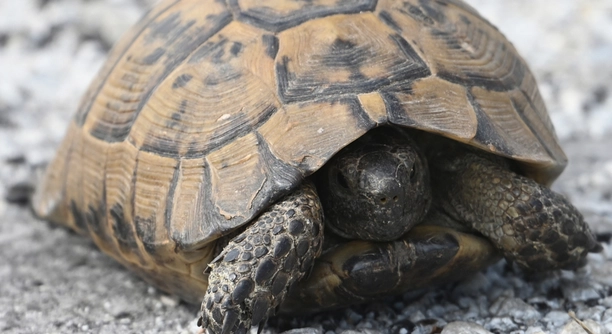
A Russian tortoise is a popular pet known for its calm nature and cute personality. However, you might notice some unusual noises from your little friend, leaving you wondering what it means.
These noises could indicate various things, from natural behavior to potential health issues. Often, they are related to stress, discomfort, or an attempt to communicate. It’s important to observe your tortoise’s environment and habits to understand the cause.
Understanding these noises can help ensure your tortoise remains healthy and comfortable in its home. You may find that simple changes can improve its well-being. Keep reading to learn more about what those sounds might mean.
Common Noises and What They Mean
Russian tortoises make different sounds, and it’s important to understand why. Some of these noises are simply part of their communication. For example, tortoises may make soft, grunting noises when they feel threatened or annoyed. These sounds are natural responses when they want to express discomfort or frustration.
Other sounds, like a higher-pitched whistle, might indicate stress. It’s normal for tortoises to vocalize when they’re stressed, especially if they’re being handled too much or placed in a new environment. However, if you notice that your tortoise is making more noise than usual, it could be a sign something is wrong.
Pay attention to your tortoise’s overall behavior and environment. If it’s eating and moving normally but making noises occasionally, it’s probably just expressing its feelings. However, if you notice persistent noises along with other signs of distress, it’s worth looking into possible health issues.
Stress and Anxiety
Tortoises often make noises when they feel stressed or anxious. Changes in their surroundings, such as a new habitat or the presence of other animals, can make them uneasy. These noises may sound like a series of clicks, or sometimes like a small wheezing sound.
If your tortoise is stressed, consider how to improve its environment. A quiet, secure place where it feels safe will help reduce anxiety. Regular handling should also be kept to a minimum to prevent overwhelming your tortoise. Keep the space calm, and ensure your pet has time to explore at its own pace.
Health Issues and Noises
Noises can also signal underlying health problems. If your tortoise’s sounds are accompanied by lethargy or lack of appetite, it might indicate respiratory issues. A wheezing or heavy breathing sound could mean your tortoise has a cold or another infection.
A Russian tortoise’s respiratory system is sensitive, so any signs of illness should not be ignored. Infections can develop quickly and require prompt treatment. If you suspect health problems, it’s best to consult a vet who specializes in reptiles. Treatment early on can help prevent further complications and ensure your tortoise remains healthy.
It’s also important to consider temperature and humidity levels. Poor conditions can lead to respiratory issues, so double-check the enclosure’s settings. A warm, dry environment with proper airflow helps prevent respiratory infections. If you notice persistent noises along with other symptoms, a veterinary checkup is necessary to ensure proper care.
Handling and Noises
When handling a tortoise, it’s common to hear some noises. They may grunt or make small sounds when being picked up, which is usually just a reaction to being disturbed. Tortoises are independent creatures and don’t always enjoy being handled, so this is their way of expressing displeasure.
Be mindful of how often you handle your tortoise. It’s important to respect its space and avoid excessive handling, as too much can cause stress. If your tortoise is making sounds during or after handling, it could be signaling it’s uncomfortable or overwhelmed. Keeping interactions gentle and brief helps maintain a more relaxed environment.
Additionally, handling during the wrong times—like when your tortoise is sleeping or eating—can cause unnecessary stress. If your tortoise is making noises when you pick it up, try to limit handling and give it space. Understanding its behavior will help reduce unwanted sounds and increase comfort for both of you.
Environmental Factors
Noises can also be triggered by environmental changes. If the temperature or lighting in your tortoise’s enclosure fluctuates, it can cause stress. A cold or too hot environment might make your tortoise vocalize its discomfort.
Check the temperature and humidity regularly. If the conditions aren’t right, your tortoise may become agitated and start making noises. Ensure the habitat remains stable to keep your tortoise content and avoid stress-related sounds.
Tortoises are sensitive to sudden changes, so gradual shifts in their environment are always best. Keeping a consistent routine will help your pet feel safe and calm.
Diet and Noises
The diet of your tortoise can also affect its behavior. If your tortoise is making more noise than usual, it might be a sign of digestive discomfort. A change in diet or eating too quickly can cause stress or discomfort.
Ensure your tortoise is eating a balanced diet with the right foods to avoid gastrointestinal issues. Overfeeding or offering too many rich foods can lead to bloating or other digestive problems. Stick to a steady diet of fresh vegetables, leafy greens, and some fruit to keep your tortoise healthy.
Rest and Quiet
Rest is essential for your tortoise’s well-being. If your tortoise isn’t getting enough sleep or if it’s being disturbed too often, it may vocalize to express frustration. This could happen if the enclosure is too noisy or if it’s in an area with too much activity.
FAQ
What does it mean if my Russian tortoise makes grunting sounds?
Grunting sounds from a Russian tortoise are often a sign of discomfort, stress, or annoyance. Tortoises might grunt when they feel threatened, tired, or overwhelmed. This could also happen when they’re in a new environment or being handled too frequently. It’s a way for them to express their feelings.
If the grunting is constant or accompanied by other signs like lack of appetite or unusual behavior, it might be worth checking its habitat or seeking a vet’s advice. Adjusting their environment to make it more comfortable can reduce these sounds.
Why is my tortoise making wheezing or heavy breathing noises?
Wheezing and heavy breathing noises are often signs of respiratory issues. Russian tortoises are sensitive to temperature and humidity, and improper conditions can lead to respiratory infections. If your tortoise is wheezing or seems to be struggling to breathe, it’s essential to check the habitat’s temperature and humidity levels to ensure they are within the appropriate range.
If the wheezing persists, consult a veterinarian who specializes in reptiles. Respiratory infections can worsen if not treated and might require antibiotics or other medications to heal.
Is it normal for my tortoise to make a whistling sound?
A whistling sound can be a sign of distress, anxiety, or even discomfort in Russian tortoises. This sound may occur when they feel threatened or are adjusting to a new environment. If your tortoise is making whistling noises, it could indicate stress, especially if there are other signs like retreating into its shell or hiding more than usual.
Consider reviewing its living environment to ensure it’s not too noisy, crowded, or unsettling. Gradually acclimatizing your tortoise to changes will help reduce these anxiety-induced sounds.
How do I know if my tortoise is stressed?
Stressed tortoises can exhibit a variety of behaviors, including making noises. In addition to vocalizations like grunting or whistling, stressed tortoises might refuse to eat, hide more than usual, or become more aggressive. Stress can be caused by environmental factors like temperature, humidity, or a lack of space. Handling your tortoise too much or too roughly can also trigger stress.
To reduce stress, ensure your tortoise’s enclosure has the right conditions and offer a quiet, secure environment. Avoid excessive handling and allow your tortoise to explore at its own pace.
Can poor diet cause my tortoise to make strange sounds?
Yes, a poor diet can lead to digestive problems that cause discomfort, which may result in strange sounds from your tortoise. Overfeeding or offering the wrong types of food can lead to bloating, gas, or other digestive issues. Russian tortoises need a balanced diet of leafy greens, some vegetables, and occasional fruits. Stick to fresh, high-fiber foods to keep their digestive system running smoothly.
If your tortoise is making noises after eating, consider adjusting its diet. Ensure the food is appropriate and that they’re not overeating or eating too quickly.
Can handling my tortoise too much make it vocalize more?
Yes, handling your tortoise too frequently can make it vocalize more. Tortoises are solitary creatures and can become stressed when handled too often. They may grunt or make other sounds as a way of expressing discomfort or frustration when disturbed.
To reduce vocalizations, handle your tortoise gently and only when necessary. Give it space to roam and rest without constant interruption. This will help your tortoise feel more at ease and less likely to make noise in response to stress.
What should I do if my tortoise keeps making noise at night?
If your tortoise is making noise at night, it could be a sign of discomfort, stress, or even hunger. Ensure that the temperature and humidity levels are appropriate for your tortoise’s needs during the night. A quiet, calm environment with a proper heat source is important to help your tortoise feel secure.
If the noise continues, check the enclosure for any possible stressors, such as bright lights or noise from nearby areas. Make sure your tortoise’s bedding is comfortable and that there’s enough space for it to move around at night. If the noise persists, it might be a good idea to consult a veterinarian.
Is it normal for my tortoise to make noise when it’s hungry?
Yes, it’s possible for a tortoise to make some noise when it’s hungry, although it’s not always typical. Some tortoises might make vocalizations or move around more when they are looking for food. However, this is usually more about behavior than actual vocalization, as tortoises tend to be quiet eaters.
If you notice your tortoise becoming more vocal at feeding time, it might just be a sign that it’s hungry and anticipating food. Ensure you’re feeding it a balanced diet with appropriate portions to avoid overfeeding or underfeeding.
Can a tortoise’s enclosure affect the amount of noise it makes?
Yes, the environment plays a significant role in how much noise your tortoise makes. A loud, busy area can cause stress and lead to more vocalizations. If the enclosure is in a noisy room or if there are other animals nearby, your tortoise may vocalize more.
To reduce noise, place your tortoise’s enclosure in a calm, quiet area where it can feel safe and undisturbed. Ensure the enclosure is spacious, well-ventilated, and free from excess noise or distractions.
Final Thoughts
Understanding why your Russian tortoise makes noises is an important step in ensuring its health and well-being. Tortoises communicate in their own way, and while some noises are completely normal, others might signal that something is wrong. It’s essential to pay attention to the context in which these sounds occur. If your tortoise is simply making noises during handling or when adjusting to a new environment, it’s often a sign of stress or discomfort. A calm, secure environment and gentle handling can go a long way in reducing these sounds.
However, persistent or unusual noises, like wheezing or heavy breathing, should not be ignored. These sounds could indicate health problems, such as respiratory infections, that require prompt attention. Tortoises are sensitive creatures, and their health can quickly decline if issues are left untreated. Regularly check your tortoise’s living conditions, including temperature, humidity, and diet, to ensure they are within the proper range. If you notice any concerning changes in behavior or vocalizations, seeking advice from a reptile veterinarian is the best course of action.
Finally, remember that every tortoise is different. While some may make more noise than others, this doesn’t always indicate a problem. It’s important to monitor your tortoise’s overall health, behavior, and environment to understand its unique needs. With a little attention and care, you can ensure your Russian tortoise remains comfortable, happy, and healthy in its home. Understanding the reasons behind its sounds will help strengthen the bond between you and your tortoise while ensuring it thrives in your care.

Hello,
If you enjoy the content that we create, please consider saying a "Thank You!" by leaving a tip.
Every little bit helps us continue crafting quality advice that supports the health, happiness, and well-being of pets around the world, for pets of all shapes, sizes, and species.
We really appreciate the kindness and support that you show us!