
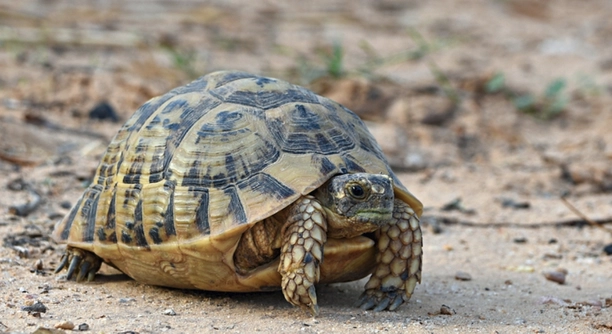
Moving can be stressful for any pet, and Russian tortoises are no exception. After a move, they may exhibit signs of anxiety or discomfort as they adjust to new surroundings. Knowing how to help them feel secure is essential.
The best way to help your Russian tortoise after a move is by creating a calm, familiar environment. Ensure they have access to a cozy hiding spot, a consistent temperature, and their usual food to ease the transition and reduce stress.
With these steps in place, your tortoise should begin to feel more comfortable and at ease in its new home.
Creating a Safe, Quiet Space
When moving to a new home, your Russian tortoise needs a quiet, calm environment to settle into. Stress can make them more vulnerable to health issues, so it’s important to minimize disturbances. Start by setting up their enclosure in a place that has low foot traffic, away from loud noises or sudden movements. This will help them feel safe and secure. Consider using a hiding place, like a small box or rock cave, where they can retreat and feel sheltered. Avoid any quick changes to their habitat; this allows them to adjust without additional stress.
Once your tortoise is in their new home, it’s important to keep their routine as consistent as possible. Stick to the same feeding schedule and temperature settings as before the move. Familiar smells, like their bedding, can also be comforting. By making the new environment feel familiar, your tortoise will start to feel at ease in no time.
While changes to their home may be inevitable, maintaining a predictable environment helps your tortoise adjust much faster. The key is stability and quiet during this transition period.
Monitoring Their Behavior
After the move, keep a close eye on your tortoise’s behavior.
Watch for signs of stress like lack of appetite, unusual hiding, or lethargy. These can indicate that your tortoise is still adjusting. A comfortable environment and familiar routine should help, but if stress persists, consider consulting a vet to rule out other health issues. Ensure that their temperature and humidity levels are ideal, as this can greatly impact their behavior and health. A slight variation in environmental conditions can sometimes lead to discomfort or stress.
Tortoises are resilient, but they need time to adapt. By staying observant, you’ll know if additional adjustments are necessary. Your tortoise might take a few weeks to fully adjust, but with the right care, they will settle into their new surroundings.
Adjusting the Temperature
It’s crucial to ensure your Russian tortoise’s habitat is the correct temperature.
Tortoises are cold-blooded, so they rely on external heat sources to regulate their body temperature. After a move, check that the heating elements in their enclosure are working properly. Make sure there’s a gradient of temperatures, with a warm basking area and a cooler side for them to choose from. Proper lighting is also essential for their overall health.
The temperature range should be consistent and within the recommended limits for a Russian tortoise—around 75-85°F during the day and cooler at night. Fluctuations can add stress, so avoid placing their enclosure near drafts or direct sunlight. Maintaining steady conditions will help them adjust faster.
Offering Familiar Food
Stick to the same diet your tortoise is used to.
Introducing new foods immediately after a move can cause additional stress or digestive issues. Instead, offer the same types of greens, vegetables, and flowers they’re familiar with. This ensures they stay nourished and their digestive system doesn’t struggle to adapt. Avoid overfeeding during this adjustment period.
Russian tortoises have a delicate stomach, and any changes in food could lead to health problems, such as constipation. Stick to the usual portions and offer water regularly to keep them hydrated. A stable feeding routine helps them feel more comfortable and less stressed as they settle in.
Providing a Hiding Spot
A hiding spot is essential for helping your Russian tortoise feel safe.
Tortoises need a quiet, sheltered place to retreat when they feel stressed. You can create this by using a box or natural rock cave within their enclosure. The hiding spot should be large enough for them to fit comfortably but not too spacious to feel exposed.
A familiar hiding spot provides security and allows your tortoise to manage its stress levels. Make sure the area is clean and dry, providing them with a safe space to rest when they need a break from their surroundings.
Avoiding Overhandling
After a move, your tortoise needs time to adjust without being overhandled.
Handling them too much can increase their stress levels, making it harder for them to settle into their new environment. Give them some space during the initial transition period. Let them explore at their own pace while ensuring they have access to food, water, and a safe resting area.
Overhandling can cause your tortoise to feel overwhelmed, slowing down the adjustment process. It’s important to be patient and allow them to explore their new space without the added stress of being picked up frequently.
FAQ
What are the signs that my Russian tortoise is stressed?
A stressed tortoise may display several signs. Common symptoms include hiding more than usual, lack of appetite, excessive scratching or pacing, and reduced activity. They might also become more reclusive and withdrawn, spending much of their time in dark corners of their enclosure. If your tortoise is showing any of these signs after the move, it could indicate that they are feeling stressed.
It’s important to monitor their behavior closely, as stress can lead to other health issues like weakened immune systems. If the signs persist for more than a few days, consult a veterinarian to ensure there are no underlying health concerns.
How long will it take for my tortoise to adjust after the move?
Every tortoise is different, but most will take a few weeks to adjust. The process can range from a few days to a couple of weeks depending on the level of stress caused by the move. You may notice gradual improvements in behavior as your tortoise becomes more comfortable in its new environment.
To help speed up this process, maintain consistency with their diet, lighting, and temperature. The more familiar you can keep their surroundings, the faster they will adjust. Patience is key during this time, so avoid rushing the process and give them the space they need.
Should I be worried if my tortoise isn’t eating after the move?
Loss of appetite is common in tortoises experiencing stress after a move. However, if they haven’t eaten for more than 3-4 days, it’s important to pay attention. Prolonged lack of eating can lead to dehydration and other health problems.
Ensure that their habitat conditions—temperature, humidity, and lighting—are correct. Offer their favorite foods and consider offering a variety of fresh greens to encourage eating. If they still refuse food, consider contacting a veterinarian to rule out any health issues or get advice on stimulating their appetite.
Can I help my tortoise adjust faster by providing additional enrichment?
Yes, providing enrichment can help your tortoise adjust to their new home. However, it’s important to balance this with a calm environment. Adding a few new hides, climbing opportunities, or safe objects to explore can keep them entertained and mentally stimulated.
But don’t overdo it—too much change at once can contribute to stress. Introduce one or two items at a time and observe how they react. If your tortoise seems more active or curious, you’re on the right track. Always make sure that any new objects are safe and appropriate for their environment.
Is it okay to put my tortoise outside during the adjustment period?
It’s best to avoid placing your tortoise outside immediately after a move, especially if they’re still adjusting. Russian tortoises need time to get used to their indoor environment before facing the unpredictability of outdoor conditions.
Outdoor spaces can expose them to predators, harsh weather, and unfamiliar surroundings that may heighten their stress. Once your tortoise is settled and you’re confident that their environment is secure, you can consider letting them explore the outdoors, but always supervise them closely.
Should I change my tortoise’s substrate after the move?
Changing the substrate right after a move can be disruptive for your tortoise. It’s usually best to keep the same type of bedding they were accustomed to during the transition. This will provide them with familiar smells and textures, making the adjustment less stressful.
After they’ve had time to adjust, you can clean or replace the substrate, but only if necessary. Keeping their environment clean while maintaining consistency will help ensure a smooth transition.
Can I handle my tortoise during the adjustment period?
It’s best to limit handling during the first few weeks after a move. Handling your tortoise too much can cause unnecessary stress and delay the adjustment process. Allow them time to get used to their new surroundings without feeling pressured.
After the initial adjustment period, if your tortoise seems comfortable, you can start handling them more often. Just be gentle and mindful of their stress levels. Always watch for signs of discomfort or agitation when interacting with them.
What if my tortoise shows signs of illness after the move?
If your tortoise displays signs of illness—such as lethargy, refusal to eat, or abnormal behavior—it’s important to take immediate action. Stress from a move can sometimes trigger underlying health issues. However, these symptoms could also indicate other medical problems unrelated to the move.
Consulting a veterinarian who specializes in reptiles is crucial. They can evaluate your tortoise’s health and help you decide the best course of action to address any concerns. Early detection and treatment can prevent further complications.
How can I make sure my tortoise stays hydrated during the transition?
Hydration is key to your tortoise’s health, especially during times of stress. Make sure they always have access to fresh water in their enclosure. Some tortoises are reluctant to drink, but offering water through a shallow dish can encourage them to hydrate.
In addition to the water bowl, misting their enclosure lightly can help maintain the proper humidity level. Dehydration can cause serious health problems, so make sure you’re consistently monitoring their water intake during the adjustment period.
Final Thoughts
Helping your Russian tortoise settle in after a move takes time and patience. Understanding their stress signals and providing a calm, familiar environment will go a long way in easing their transition. It’s normal for tortoises to feel unsettled at first, but with the right support, they will adjust gradually. Offering them a safe, quiet space to hide, making sure their habitat is set up correctly, and reducing handling are all steps that will help them feel more secure.
It’s essential to remember that every tortoise is different. Some may adjust quickly, while others might take longer. Keep an eye on their behavior, and don’t be alarmed if they hide more often or don’t eat right away. These behaviors are typically temporary and will improve once they feel safe in their new surroundings. Keeping their environment consistent is key, so try to avoid making too many changes too quickly.
Lastly, if you notice that your tortoise’s stress seems to last longer than expected or if they show signs of illness, it’s important to reach out to a veterinarian. While stress-related behaviors are common, prolonged issues could point to underlying health concerns. Monitoring your tortoise closely and seeking professional advice when needed will help ensure their well-being during this transition period. With the right care and attention, your tortoise will adapt and feel at home again.

Hello,
If you enjoy the content that we create, please consider saying a "Thank You!" by leaving a tip.
Every little bit helps us continue crafting quality advice that supports the health, happiness, and well-being of pets around the world, for pets of all shapes, sizes, and species.
We really appreciate the kindness and support that you show us!