
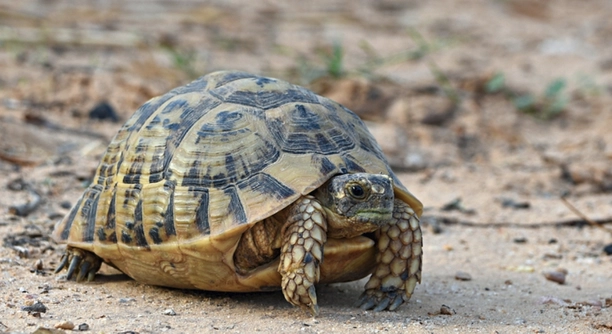
Russian tortoises are active and curious creatures, but when they become lethargic, it can be concerning. Several factors may cause a decline in their energy levels. Understanding these factors can help you keep your tortoise healthy and happy.
The main causes of lethargy in Russian tortoises are improper temperature, insufficient UVB light, poor diet, and inadequate humidity. These factors disrupt their metabolism, leading to sluggish behavior. Ensuring proper care can help prevent or reverse lethargy in your tortoise.
Identifying and addressing these issues can restore your tortoise’s vitality and improve its overall well-being.
Temperature Problems
Russian tortoises are highly sensitive to temperature changes. If their habitat isn’t warm enough, they can become sluggish. Tortoises need a temperature gradient, with a warm basking spot of around 95°F (35°C) and a cooler area of 75°F (24°C) to regulate their body temperature. A drop below 70°F (21°C) for extended periods can cause lethargy. Without proper warmth, their digestion slows down, and they may appear less active.
Maintaining the right temperature range in their enclosure is essential. Using a reliable thermostat to regulate the heat lamps can help.
Regularly check the temperature with a thermometer to ensure their environment stays within the recommended range. This will prevent your tortoise from becoming too cold and help it stay active and healthy.
UVB Light
UVB light is another essential factor for your Russian tortoise’s health. Without proper UVB exposure, they cannot produce vitamin D3, which is necessary for calcium absorption. Insufficient UVB lighting can lead to metabolic bone disease, resulting in lethargy and weakened bones.
To ensure proper lighting, use a UVB bulb designed for reptiles and place it within 12 inches of your tortoise’s basking spot. The light should be on for 10 to 12 hours a day to mimic natural sunlight.
If your tortoise shows signs of lethargy and your UVB setup hasn’t been replaced in the last six months, consider changing the bulb. A proper light cycle helps your tortoise stay energized, active, and healthy.
Diet Issues
A poor diet can significantly affect your tortoise’s energy levels. If they aren’t getting enough nutrients, they can become lethargic. Russian tortoises need a varied diet that includes high-fiber greens, vegetables, and occasional fruits. Avoid feeding them too many high-protein or high-fat foods.
If your tortoise’s diet is lacking in nutrients, try adding leafy greens like dandelion greens, collard greens, or kale. Also, include some grasses, clover, and edible flowers for variety. Calcium and vitamin supplements can be added, especially if they’re not getting enough from their food.
A balanced diet keeps their metabolism active, helps them grow properly, and keeps their energy levels high. Regularly changing up the food variety is important for providing a well-rounded nutrition plan.
Habitat Size
The size of your tortoise’s habitat directly affects its activity level. If the enclosure is too small, your tortoise may not have enough space to move around. This can lead to inactivity and lethargy.
Ensure the habitat is large enough for them to roam. A good rule of thumb is at least 4×6 feet for an adult Russian tortoise. Include hiding spots, rocks, and things to climb on. These additions will encourage natural behaviors and exercise.
A spacious environment promotes physical health, reduces stress, and supports the tortoise’s need for movement. Proper enrichment in the habitat keeps your tortoise engaged, improving its overall well-being.
Hydration Problems
Dehydration can lead to lethargy in Russian tortoises. If they are not drinking enough water, it can affect their energy levels. Ensure they always have access to clean, fresh water. Adding a shallow water dish in their habitat can encourage them to drink more.
Sometimes tortoises need a little extra help staying hydrated. Misting their enclosure can provide some moisture to the air, and occasionally soaking them in lukewarm water for 15-20 minutes can help boost hydration.
Proper hydration is vital to their health. It supports digestion, organ function, and overall energy levels, preventing sluggish behavior.
Stress
Stress is another major factor that can make your tortoise lethargic. This can result from changes in their environment, such as new pets, loud noises, or even frequent handling. Tortoises are sensitive to these changes and may retreat into their shells when stressed.
If your tortoise shows signs of stress, give it time to adjust to its environment. Try to keep things quiet and stable. Avoid frequent handling and allow them to feel secure.
Creating a peaceful environment is crucial to reducing stress and encouraging your tortoise to become more active and comfortable in its space.
Illness
Sometimes lethargy in Russian tortoises can be a sign of illness. Respiratory infections, parasites, or other health issues can cause them to become sluggish. If your tortoise refuses food or seems unusually inactive for more than a few days, it may be sick.
Check for any other signs of illness such as nasal discharge or swelling. If you notice any unusual behavior, consult a veterinarian who specializes in reptiles. Early detection of health issues can make treatment more effective and prevent long-term problems.
FAQ
Why is my Russian tortoise not eating?
If your tortoise is not eating, it could be due to a variety of factors such as improper temperature, insufficient UVB light, stress, or illness. Ensure the habitat is at the correct temperature and the UVB light is working properly. Sometimes tortoises stop eating when they’re stressed or unwell. Monitor its behavior closely and check for other signs of illness. If the issue persists, consulting a reptile veterinarian may be necessary.
How much should I feed my Russian tortoise?
Russian tortoises should be fed a diet rich in fiber. Offer leafy greens, grasses, and occasional vegetables. Avoid too much fruit or protein. The amount depends on the size and age of your tortoise. Generally, offer enough food that they can consume within 15-20 minutes. You can feed them once or twice a day. Adjust their diet according to their activity level and health.
Can I feed my tortoise fruits every day?
Fruits should be offered sparingly due to their high sugar content. While some fruits are safe, like strawberries or apples, they should only make up a small portion of the diet. Feeding fruits daily may lead to digestive issues or obesity in your tortoise. Stick to offering fruits once a week or as a treat.
What is the ideal temperature for a Russian tortoise?
The temperature should range from 75°F (24°C) to 95°F (35°C). The basking area should be around 95°F, while the cooler side should be around 75°F. At night, temperatures can drop to about 70°F (21°C), but they should not fall below this. Consistent warmth is important to their digestion and overall health.
How often should I clean my Russian tortoise’s habitat?
You should clean your tortoise’s habitat regularly to maintain hygiene and prevent odors. Spot clean daily by removing leftover food and waste. A full cleaning should be done at least once a week. Replace the substrate, clean the water dish, and disinfect the enclosure to ensure a healthy environment for your tortoise.
Can Russian tortoises live outside year-round?
Russian tortoises can live outside year-round in certain climates, but only if the temperature does not dip below 50°F (10°C). They need a secure, safe enclosure that protects them from predators. During colder months, they may need to be brought indoors to maintain a proper temperature. Ensure their outdoor habitat is properly equipped with heat sources and a safe hiding area.
What are common signs of stress in Russian tortoises?
Stress in Russian tortoises can show through behaviors such as excessive hiding, loss of appetite, and lethargy. They may also display nervous behavior, such as rapid movement or attempting to escape. Stress can be caused by changes in their environment, improper handling, or loud noises. If your tortoise shows these signs, try to minimize stressors and offer a quiet, stable environment.
How do I properly handle my Russian tortoise?
Handle your Russian tortoise gently and infrequently to avoid causing stress. Always support their body, holding them by the sides of the shell rather than the legs. Avoid picking them up by the tail. It’s important to let them explore on their own in a safe, secure space. Over-handling can lead to stress and lethargy.
Can I keep more than one Russian tortoise together?
While it’s possible to keep multiple Russian tortoises in the same habitat, it can sometimes lead to aggression, especially if there isn’t enough space. If you choose to keep more than one, make sure the enclosure is large enough to accommodate them, with multiple hiding spots and basking areas. It’s essential to monitor their behavior closely to ensure they’re not fighting.
How can I tell if my tortoise is dehydrated?
Signs of dehydration in Russian tortoises include lethargy, dry skin, sunken eyes, and loss of appetite. If your tortoise isn’t drinking water or seems sluggish, try soaking it in lukewarm water for 15-20 minutes. You can also mist their enclosure to provide extra moisture. Ensuring access to clean, fresh water at all times is key.
What should I do if my Russian tortoise has a respiratory infection?
A respiratory infection in Russian tortoises can cause wheezing, nasal discharge, and labored breathing. If you suspect an infection, isolate the tortoise in a warm, quiet space and contact a reptile vet. Respiratory infections can worsen quickly if not treated, so early intervention is critical.
How can I provide UVB light for my Russian tortoise?
To provide UVB light, use a UVB bulb designed for reptiles. Place the light source within 12 inches of the basking area and leave it on for 10-12 hours each day. UVB light is essential for vitamin D3 production, which helps with calcium absorption and overall health. Ensure the bulb is replaced every six months for effectiveness.
Final Thoughts
Understanding why your Russian tortoise may be lethargic is key to providing the best care. From hydration issues to stress or illness, there are many factors to consider. Regularly checking your tortoise’s environment, diet, and behavior can help prevent problems before they become serious. By ensuring proper temperature, hydration, and a balanced diet, you can keep your tortoise active and healthy. It’s important to be observant and responsive to any changes in their habits.
Keeping your Russian tortoise comfortable in its habitat is essential. Providing the right conditions, like the correct lighting and temperature, is crucial to its well-being. A calm, stable environment will reduce stress and promote a more active lifestyle. A lack of stimulation or inconsistent care can lead to lethargy, so it’s important to maintain consistency. Regular health checks can also help you spot issues early on, which can prevent more severe problems down the line.
Ultimately, the health of your Russian tortoise is in your hands. By staying informed and proactive, you can help ensure a long and happy life for your pet. It’s important to remember that each tortoise is different. Some may have specific needs or preferences that require extra attention. Understanding the unique behaviors of your tortoise will help you provide the best care possible and address any issues that arise promptly.

Hello,
If you enjoy the content that we create, please consider saying a "Thank You!" by leaving a tip.
Every little bit helps us continue crafting quality advice that supports the health, happiness, and well-being of pets around the world, for pets of all shapes, sizes, and species.
We really appreciate the kindness and support that you show us!