
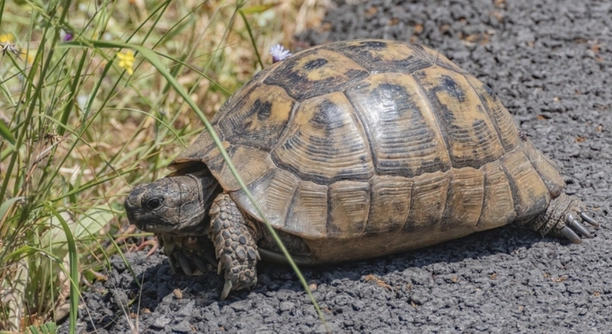
Russian tortoises are known for their quirky behaviors, and one of the most puzzling is their tendency to stare. This behavior can leave owners wondering if their pet is upset, curious, or simply bored.
Your Russian tortoise’s staring is likely a sign of curiosity or attentiveness. Tortoises use their vision to explore their surroundings, and they often fixate on things or people that interest them. It may also be a way to observe their environment for potential threats.
Understanding why your tortoise stares can give you insights into its behavior and health. By paying attention to its habits, you can improve its care and strengthen your bond.
Why Do Tortoises Stare at Their Owners?
Russian tortoises often stare at their owners because they are curious and trying to understand their environment. Their vision is sharp, and they tend to focus on things or people that move or make noise. When your tortoise stares at you, it could be observing your actions, figuring out what you’re doing, or simply wondering what you are. This behavior can also be a sign that they recognize you as a source of food or care. They often form routines and know when you’re around to feed or interact with them, making them more attentive to your movements.
In some cases, staring can be a sign of affection or trust. If you’ve spent time with your tortoise, it may look at you to show its recognition. Their gaze is not always a negative thing—it’s just part of their way of getting familiar with their surroundings and those they share it with.
Tortoises are naturally slow and methodical creatures. They spend much of their time observing their environment carefully. So, when they stare at you, it’s often not because they’re nervous, but because they’re gathering information. It could also be linked to their need for safety. In the wild, constant observation helps them stay aware of potential threats. When kept as pets, they still retain these instincts, even if there’s no real danger. They feel more secure when they understand what’s going on around them. If your tortoise stares at you, it’s their way of ensuring everything is safe and familiar.
Is There Something Wrong When My Tortoise Stares at Me?
Occasionally, staring could indicate a problem. If your tortoise seems overly fixated or stressed, it could be uncomfortable with its living conditions.
Tortoises need specific care to stay healthy, and changes in their environment can trigger odd behaviors. If your pet starts staring for long periods, it might be experiencing discomfort. Issues like incorrect lighting, temperature, or humidity can make your tortoise feel unsafe. Stress from changes in their habitat or routine might also make them act this way. Make sure that your tortoise’s enclosure is ideal for its needs. A healthy tortoise is more likely to interact naturally rather than staring at things or people excessively. Keep an eye on any other behavioral shifts—if they seem lethargic or refuse food, this could indicate health problems, which should be addressed with a vet.
What Does It Mean If My Tortoise Stares at Me for Long Periods?
When your tortoise stares at you for extended periods, it’s often due to curiosity. They may be watching you closely because they are trying to learn about your movements. However, it could also indicate that they are waiting for something, like food or attention.
If your tortoise stares for too long without engaging in other behaviors like eating or moving, it could be a sign of boredom. Tortoises need stimulation to stay healthy and happy. Providing toys, new hideouts, or changes in their environment can keep them more engaged. Also, consider offering social interaction. A lack of activity can make your pet fixate more on you, possibly because they’re hoping for something to break the monotony. Keep them mentally active to avoid excessive staring.
While it’s normal for your tortoise to observe you, it’s important to ensure they have a stimulating environment. Tortoises enjoy exploring, and they need space and new experiences to avoid becoming too fixated on one thing. If they’re staring at you and not doing much else, consider changing their habitat setup or routine to provide more enrichment.
How Can I Stop My Tortoise From Staring at Me So Much?
To reduce the staring, create a more enriching environment for your tortoise.
A well-decorated habitat can distract your tortoise from fixating on you. Introduce new climbing areas, tunnels, or plants to encourage exploration. If your tortoise is more focused on its surroundings, it will spend less time staring at you. Also, avoid staring back or giving too much attention, as this might reinforce the behavior. Regularly change the habitat layout so your tortoise is constantly engaged in its environment. If they’re more interested in exploring their space, they’re less likely to sit still and stare.
Does Staring Indicate That My Tortoise Is Feeling Unsafe?
A tortoise staring at you can sometimes indicate that it feels uncertain about its surroundings. If they’re not used to their environment or feel threatened, they may remain still and observe you closely.
If your tortoise’s gaze is intense and unblinking, it may be on alert. Ensure the habitat is safe and comfortable, with no disturbances or other animals that could cause stress. A calm environment will help your tortoise feel more secure and less likely to stare in apprehension.
What Should I Do If My Tortoise Stares Too Much?
To stop excessive staring, focus on creating a secure and enriching environment. Regularly provide different objects to stimulate your tortoise’s curiosity and interest. Changing their surroundings and daily routine can also help keep them engaged.
Offering a consistent feeding schedule and allowing your tortoise to interact with its habitat will provide a sense of stability, reducing unnecessary staring. Keep monitoring their behavior for any changes that may signal discomfort or stress.
FAQ
Why does my Russian tortoise stare at me when I’m eating?
Your Russian tortoise may be staring at you when you’re eating because it associates you with food. Tortoises often learn to expect food from their owners, so they might focus on you, hoping for a treat. If your tortoise is staring intently, it could be waiting for food to be offered. It’s also possible that they’re simply curious about what you’re eating, as they are naturally inquisitive creatures. If you want to reduce the staring during your meals, avoid feeding your tortoise during your eating time to prevent this association.
Can staring be a sign that my tortoise is sick?
Staring alone is usually not a sign that your tortoise is sick. However, if your tortoise is staring excessively and showing other signs of illness—such as lethargy, refusal to eat, or a change in behavior—this could indicate a health issue. A tortoise that is unwell may become more withdrawn and less active, which might lead to them staring without moving. It’s important to watch for other signs and consult a vet if you’re concerned about your tortoise’s health.
Does my tortoise stare when it’s bored?
Yes, boredom can cause your tortoise to stare. Tortoises are intelligent and need mental stimulation. If their environment is too plain or they have nothing to explore, they may start to stare at you or their surroundings out of boredom. Providing more things to explore, such as new hiding spots, climbing structures, or toys, can help keep your tortoise mentally engaged and reduce the staring behavior. Regular interaction can also help alleviate boredom, as tortoises enjoy occasional social engagement.
Should I be worried if my tortoise stares at the walls of its enclosure?
Staring at the walls of their enclosure is common and usually isn’t a cause for concern. It may simply be that your tortoise is trying to figure out its boundaries, especially if the enclosure has been recently rearranged. However, if your tortoise spends long periods staring at the walls and seems agitated, it could be a sign that its environment feels cramped or lacking in enrichment. Adding more space or changing the setup of the enclosure could make your tortoise feel more comfortable and reduce this behavior.
How can I tell if my tortoise is staring because it’s stressed?
Stress in tortoises can sometimes manifest as staring, but it’s usually accompanied by other signs such as pacing, hiding, or aggression. If your tortoise is staring while exhibiting these behaviors, it might be stressed. Causes of stress can include sudden changes in temperature, loud noises, new animals in the home, or a cramped living space. If you suspect stress, try to identify the source and remove or adjust it. Ensuring that your tortoise’s environment is calm, clean, and consistent can help reduce stress-related staring.
Is it normal for my tortoise to stare at me when I enter the room?
Yes, it is normal for a tortoise to stare at you when you enter the room. They are naturally curious creatures, and their vision is sharp. If your tortoise associates you with food or care, it may fixate on you when you walk into the room, hoping for attention or a meal. This behavior is a sign of familiarity and comfort, not necessarily a negative one. It’s simply part of how your tortoise interacts with its environment and its owner.
Can staring indicate that my tortoise is trying to communicate with me?
Staring could be your tortoise’s way of communicating. While they cannot vocalize like other pets, tortoises use body language to express themselves. A prolonged stare might mean they’re simply trying to understand what you’re doing, or it could be a way of trying to get your attention. If your tortoise seems to be staring because it’s waiting for food or interaction, it’s a sign that it’s attempting to communicate its needs. Understanding your tortoise’s body language and responding appropriately will strengthen the bond between you and your pet.
How long is too long for my tortoise to stare?
A tortoise may occasionally stare at something for a few minutes, but if it’s staring at one spot for hours, there could be an underlying issue. If the staring is persistent and accompanied by a lack of movement or eating, it may indicate stress, boredom, or discomfort. Observe other behaviors closely to determine if there are any signs of illness or environmental stressors. If you notice prolonged staring along with a decline in activity, it may be time to evaluate your tortoise’s habitat or consult a veterinarian.
Why does my tortoise stare at me after I’ve handled it?
If your tortoise stares at you after handling, it could be a sign of processing the interaction. Tortoises don’t enjoy being picked up often, and they may feel vulnerable afterward. The stare could be an attempt to assess if it’s safe or to simply observe the environment around it. If this becomes a recurring behavior after handling, ensure you’re not over-stimulating your tortoise and that it has enough space to retreat and feel secure.
Does my tortoise stare at me because it likes me?
Staring can be a sign of affection in tortoises, but it’s not necessarily an emotional expression like with dogs or cats. Tortoises form bonds with their owners, and they may stare because they’re familiar with you and feel comfortable in your presence. If your tortoise actively seeks out your attention or follows you with its gaze, it may be a sign that it recognizes you and enjoys your company. However, remember that tortoises are more independent animals, and their way of showing trust is often more subtle than overt affection.
Final Thoughts
Your Russian tortoise’s behavior of staring at you can seem puzzling, but it’s usually not something to be worried about. Staring is often just a natural part of their curiosity. Tortoises are observant creatures and spend a lot of time exploring their surroundings. When they fixate on you, they are simply processing what you are doing or hoping for attention. In many cases, this behavior is nothing more than a way for your tortoise to understand its environment and stay aware of what’s going on around it.
It’s important to consider the context of the staring. If your tortoise is only occasionally staring at you or its surroundings, it’s probably just being attentive or curious. However, if it’s staring for long periods, especially when combined with signs of stress, such as not eating or being inactive, there may be an underlying issue to address. It’s essential to ensure that your tortoise has a comfortable, safe, and engaging environment to live in. Providing the right habitat and stimulation can help prevent unwanted behaviors like excessive staring. Making sure the enclosure is large enough and has plenty of items to explore will keep your tortoise mentally engaged and reduce any boredom-related behaviors.
Lastly, understanding your tortoise’s behavior will improve your relationship with it. By observing when and why it stares at you, you can better meet its needs, whether that’s through offering food, attention, or a more stimulating environment. While staring may seem like a strange or even concerning action at first, it’s really just a sign that your tortoise is trying to make sense of its world. With the right care and attention, your tortoise can thrive, and you’ll both develop a better understanding of each other.

Hello,
If you enjoy the content that we create, please consider saying a "Thank You!" by leaving a tip.
Every little bit helps us continue crafting quality advice that supports the health, happiness, and well-being of pets around the world, for pets of all shapes, sizes, and species.
We really appreciate the kindness and support that you show us!