
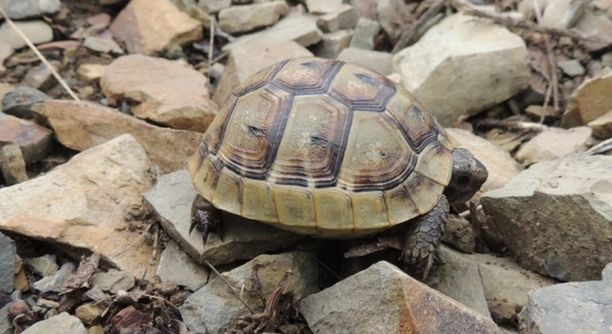
If you’ve noticed your Russian tortoise breathing with its mouth open, it may be a cause for concern. Tortoises can show signs of stress or health issues that affect their breathing. Understanding the potential causes can help address the problem effectively.
Mouth breathing in Russian tortoises is often a sign of respiratory distress, which can be caused by infections, improper temperature, or humidity levels. It’s important to identify the underlying cause to ensure proper care and avoid further complications.
Taking the right steps to address mouth breathing can improve your tortoise’s health. Keep reading to discover how to create a suitable environment and manage their well-being.
Possible Causes for Mouth Breathing in Russian Tortoises
There are a few key factors to consider when trying to determine why your Russian tortoise may be breathing through its mouth. Often, the root cause is related to improper environmental conditions. Russian tortoises, like many reptiles, rely heavily on stable temperature and humidity levels to stay healthy. A change in these conditions, especially in their habitat’s temperature or humidity, can stress the tortoise and affect its respiratory system. Another common issue could be a respiratory infection, which is more likely when conditions like temperature or humidity are poorly maintained. Infections can cause discomfort and make it difficult for your tortoise to breathe through its nose.
If you notice mouth breathing alongside other signs, such as nasal discharge or lethargy, it may indicate a more serious health concern. In these cases, it’s important to take action immediately.
While some environmental issues are easy to adjust, a serious infection will likely require a visit to the vet. Ensuring the proper care and environment can prevent long-term health problems for your tortoise.
Creating the Right Environment
Temperature and humidity levels are key to a healthy Russian tortoise habitat. Ensure your enclosure stays between 75-85°F (24-29°C) during the day, with a basking spot reaching 90°F (32°C). Humidity should be kept around 50-60% to avoid respiratory distress.
When setting up your tortoise’s environment, it’s crucial to have a properly calibrated thermometer and hygrometer. These tools will help you monitor the conditions closely. Without them, it becomes easy to overlook subtle changes that may lead to health issues. Your tortoise should have a warm, dry area where it can bask, and a cooler, more humid area for resting. Providing both options will help your tortoise regulate its body temperature more effectively.
If you live in a dry climate, consider adding a humidifier or misting the enclosure occasionally to maintain adequate moisture. A small increase in humidity can significantly impact the tortoise’s health.
Signs of Respiratory Infections
A respiratory infection can be a more serious concern for your Russian tortoise. These infections often result from stress due to poor environmental conditions or handling. If your tortoise is showing signs such as wheezing, nasal discharge, or swollen eyes, these are typical symptoms of a respiratory infection. Infections can progress quickly and may result in long-term health complications if not treated properly. Keeping your tortoise’s habitat clean and at the right temperature can prevent these infections from occurring in the first place.
If you suspect your tortoise has an infection, it is essential to consult with a vet who specializes in reptiles. A proper diagnosis and treatment plan are necessary to restore the tortoise’s health and ensure it doesn’t develop more severe issues. Additionally, ensure the enclosure is well-ventilated to avoid excess humidity buildup, which can worsen respiratory problems.
Ensuring that your tortoise is kept in the right environment and free from stress is essential for its long-term health.
Managing Humidity Levels
Maintaining the right humidity level is vital for a healthy tortoise. If the enclosure is too dry, your tortoise may struggle with breathing. Ensure the humidity is between 50-60%. Use a hygrometer to keep track and adjust as needed.
If your tortoise’s habitat is too dry, the respiratory system can become stressed. The best way to raise humidity is to mist the enclosure regularly, especially in the cooler areas where your tortoise rests. Avoid creating excessive moisture, as too much humidity can also be harmful. A balance is crucial for avoiding respiratory issues and ensuring your tortoise’s comfort.
Consider placing a shallow water dish in the enclosure to increase humidity naturally. This also gives your tortoise a place to drink from. Replenish the water daily to ensure it’s clean and safe for your tortoise. This can help regulate the environment and reduce the risk of respiratory problems.
Temperature Control
Correct temperature control is equally important. If the temperature fluctuates too much, your tortoise’s immune system can become weakened. A temperature range of 75-85°F (24-29°C) during the day should be maintained for optimal health.
Ensure that the basking area reaches about 90°F (32°C), providing your tortoise with the warmth it needs to digest food properly and stay active. You can achieve this by using a heat lamp or ceramic heat emitter. Avoid using heat rocks, as they can cause burns if not monitored properly. Providing a thermal gradient within the enclosure allows your tortoise to choose a comfortable resting spot.
Monitor the temperature throughout the day using a thermometer, ideally placed in different spots within the habitat. This way, you can make sure that all areas of the enclosure stay within the recommended range, creating a stable environment for your tortoise’s well-being.
Preventing Stress
Stress can be a significant factor in respiratory issues for Russian tortoises. Keep your tortoise’s environment quiet and free from sudden changes. Avoid handling them too often, as this can cause anxiety.
Environmental stressors, such as loud noises or frequent changes in temperature, can trigger mouth breathing. Tortoises are naturally shy and can become overwhelmed if their space is disturbed frequently. Set up a secluded, quiet spot where your tortoise can retreat to feel safe and secure.
Stress may also result from overcrowding or insufficient space. Make sure the enclosure is spacious enough for your tortoise to move around freely, reducing stress and promoting health.
Regular Cleaning
A clean environment is essential for preventing respiratory infections. Ensure the substrate is changed regularly and that the tank is cleaned thoroughly.
Remove any waste, mold, or leftover food from the enclosure daily. This reduces the chance of bacteria growth, which can lead to infections. Be sure to sanitize the water dish and feeding areas frequently. A dirty environment can easily compromise your tortoise’s health, leading to unwanted issues such as mouth breathing. Regular cleaning is key to preventing such problems.
Diet and Hydration
A proper diet plays a crucial role in maintaining your tortoise’s health. Offer a variety of leafy greens, vegetables, and occasional fruits.
In addition to food, hydration is equally important. Make sure your tortoise has access to clean water at all times. A dehydrated tortoise is more likely to suffer from various health issues, including respiratory problems. Ensure that you’re offering food with a high moisture content, such as lettuce and cucumbers, to support hydration. Keep in mind that a balanced diet helps boost your tortoise’s immune system and overall well-being.
FAQ
Why is my Russian tortoise breathing with its mouth open?
Mouth breathing is a common sign of respiratory distress in Russian tortoises. This could be caused by a variety of factors, including an infection, improper temperature, or humidity. If you notice mouth breathing, it’s important to check the environmental conditions first. Make sure the habitat is properly heated, ventilated, and not too humid. A respiratory infection is another possibility, which can cause difficulty breathing. In this case, it’s best to take your tortoise to a vet for treatment.
What temperature should my Russian tortoise’s enclosure be?
The ideal temperature for your tortoise’s enclosure is between 75-85°F (24-29°C) during the day. A basking area should be about 90°F (32°C). These temperatures help your tortoise digest food properly and stay healthy. Make sure the enclosure has a gradient, with a cooler area to rest when your tortoise needs to regulate its body temperature.
How can I improve the humidity for my tortoise?
To improve humidity, you can mist the enclosure with water or use a humidifier. The humidity should stay between 50-60%. Too much humidity can lead to fungal or bacterial growth, while too little can cause respiratory problems. Keep the substrate moist, but not soggy. A shallow water dish can also help raise the humidity naturally.
How can I tell if my tortoise has a respiratory infection?
Signs of a respiratory infection include mouth breathing, nasal discharge, and swollen eyes. Your tortoise may also appear lethargic or have difficulty eating. If these symptoms appear, it’s important to consult with a vet. Infections can worsen quickly, so getting treatment early is essential to your tortoise’s recovery.
Can stress cause mouth breathing in tortoises?
Yes, stress can lead to mouth breathing in tortoises. Loud noises, handling, or overcrowded enclosures can all contribute to stress. Ensure your tortoise has a quiet, private space in the enclosure. Reducing handling and minimizing disturbances will help keep stress levels low and prevent related health issues.
What should I do if my tortoise is not eating?
A lack of appetite can be caused by stress, illness, or environmental issues. If your tortoise isn’t eating, check its habitat conditions—ensure the temperature, humidity, and lighting are all appropriate. If the environment is fine, consider a vet visit to rule out infections or other health concerns.
How often should I clean my Russian tortoise’s enclosure?
Cleaning the enclosure regularly is important for your tortoise’s health. You should spot clean daily by removing waste and uneaten food. A deeper cleaning should be done weekly, which includes replacing the substrate and thoroughly sanitizing the enclosure. This helps avoid bacteria build-up that could lead to health issues.
Can I use a heat rock for my tortoise?
It’s not recommended to use heat rocks for your tortoise, as they can cause burns if they become too hot or if your tortoise stays in contact with them for too long. Instead, use a heat lamp or ceramic heat emitter to provide the necessary warmth for your tortoise.
Is it safe to let my Russian tortoise roam outside?
It can be safe for your Russian tortoise to roam outside, but you must ensure the area is secure, free from predators, and has proper shade and shelter. The temperature should also be within the ideal range. Outdoor time can be beneficial, but it’s important to supervise your tortoise at all times.
What should I feed my Russian tortoise?
A healthy diet for a Russian tortoise includes a variety of leafy greens like dandelion greens, collard greens, and mustard greens. You can also offer vegetables like bell peppers, squash, and carrots. Occasionally, small amounts of fruit can be given as a treat. Avoid feeding your tortoise high-protein foods like meat or dairy.
How do I know if my tortoise is healthy?
A healthy tortoise should be active, have clear eyes, and a smooth, firm shell. It should eat regularly and be able to move around freely. If your tortoise is lethargic, not eating, or showing signs of distress like mouth breathing, it’s a sign that something might be wrong.
Can I bathe my Russian tortoise?
Bathing can be beneficial for your tortoise to help with hydration, especially if it’s not drinking enough water. Use shallow, lukewarm water and let your tortoise soak for 15-20 minutes. Never submerge it fully. This is especially important if you notice signs of dehydration or a lack of water intake.
Final Thoughts
Breathing with the mouth open in a Russian tortoise is a sign that something might be wrong. It can be caused by several factors, including respiratory infections, environmental stress, or improper conditions like temperature and humidity. It’s important to recognize the symptoms early and address the issue before it becomes more serious. Observing your tortoise’s behavior and keeping track of any changes in its health can help you identify potential problems before they escalate.
Providing the right environment is key to maintaining a healthy tortoise. Ensuring proper temperature, humidity, and space can help prevent stress and respiratory issues. Regularly cleaning the enclosure and offering a balanced diet also play a crucial role in your tortoise’s well-being. When your tortoise feels secure in its habitat, it is less likely to experience health problems like mouth breathing. It’s essential to make sure the environment meets their specific needs to keep them comfortable and healthy.
If mouth breathing continues despite environmental changes, or if you notice other signs of illness, it’s important to seek veterinary care. A professional will be able to diagnose any underlying issues and offer proper treatment. With the right care and attention, you can ensure your Russian tortoise remains happy and healthy for many years. Monitoring their behavior, providing proper care, and addressing health concerns early can help keep mouth breathing from becoming a persistent problem.

Hello,
If you enjoy the content that we create, please consider saying a "Thank You!" by leaving a tip.
Every little bit helps us continue crafting quality advice that supports the health, happiness, and well-being of pets around the world, for pets of all shapes, sizes, and species.
We really appreciate the kindness and support that you show us!