
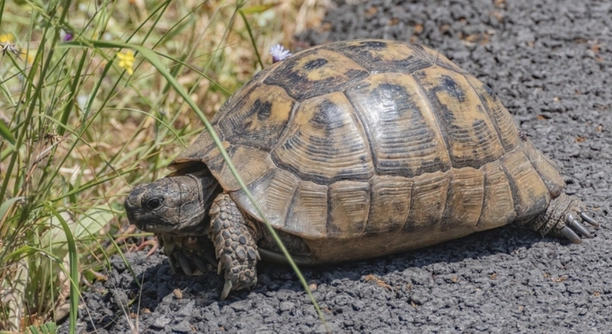
Monitoring the growth of a Russian tortoise is essential for ensuring its health and well-being. A consistent growth pattern indicates proper care and attention. Understanding normal growth can help you identify potential health concerns early.
The growth of a Russian tortoise is generally steady and slow. Factors such as diet, habitat, and genetics all play a role in growth rate. Regular monitoring and providing the correct environment help support healthy development and prevent potential growth issues.
Tracking your tortoise’s growth will help you provide the best care. Understanding these aspects can prevent health problems and promote a healthy, thriving pet.
How to Monitor Your Russian Tortoise’s Growth
Keeping track of your Russian tortoise’s growth is crucial for ensuring its overall health. One of the first things to notice is its shell development. A healthy tortoise will have a smooth, symmetrical shell that grows gradually. A steady growth rate indicates good health, but rapid changes can signal a problem. A well-balanced diet and proper habitat are essential for their growth. Ensure your tortoise is fed a variety of fresh vegetables and greens to support healthy development. If you’re ever unsure, consult a vet for advice on your tortoise’s specific needs.
Growth measurement is also helpful. Measure your tortoise from the tip of its nose to the back of its shell to track its progress. Record these measurements regularly to spot any abnormal changes. Knowing their typical growth rate helps you recognize when something isn’t right. Growth rates can vary, so it’s important to compare your tortoise’s growth to established norms for its age.
Monitoring both shell size and overall appearance will help ensure your tortoise grows at a healthy pace. Keep a close eye on any noticeable changes. Small adjustments can make a significant difference.
Proper Habitat for Growth
A well-maintained habitat contributes greatly to a tortoise’s growth. The right temperature, humidity, and space are necessary for a healthy environment. Too much heat can cause dehydration, while too little can stunt growth.
A Russian tortoise needs a specific range of temperatures to stay comfortable. In their natural habitat, they thrive in areas with warm sun and dry conditions. In captivity, this means providing a basking spot where the temperature is around 95°F, with cooler areas between 75°F and 85°F. This helps your tortoise regulate its body temperature and stay active. Make sure to provide enough space for them to roam and explore, as movement is essential for muscle development and proper growth.
Providing the right setup is essential for their development. In addition to temperature, a balanced diet, and regular health checks are critical.
Diet’s Role in Healthy Growth
A proper diet is key to your Russian tortoise’s development. Leafy greens, vegetables, and occasional fruits provide the necessary nutrients for growth. Make sure to avoid high-protein foods like meat, as it can lead to health problems.
A balanced diet ensures that your tortoise receives adequate calcium, fiber, and vitamins. Dark leafy greens such as dandelion greens, collard greens, and kale should make up a large portion of their diet. Additionally, providing some high-fiber vegetables like bell peppers and zucchini will help with digestion. The right mix of nutrients supports shell development and overall growth.
Monitor your tortoise’s appetite. If it shows signs of underfeeding or overeating, adjust its food intake. Feeding too much can lead to obesity, while not feeding enough can stunt growth. Fresh water should always be available, and a vitamin supplement can be considered to ensure complete nutrition.
Hydration and Growth
Staying hydrated is just as important as diet. Ensure your tortoise has constant access to fresh water. Dehydration can lead to slower growth and health complications.
Russian tortoises may not drink as frequently as other animals, but they still need water for digestion and hydration. Providing a shallow water dish helps prevent dehydration, especially if you live in a dry climate. A small dish allows them to drink when needed. Hydration also supports proper metabolic function, which is essential for growth.
The right moisture levels in their habitat contribute to maintaining healthy skin and shell. Regular misting of their enclosure can help keep humidity at an optimal level. Keeping your tortoise hydrated ensures it has the resources to grow and thrive.
Activity and Growth
Regular activity is crucial for your tortoise’s growth. Providing space to roam allows them to exercise, which helps muscle development and shell growth. A sedentary tortoise may not grow properly.
Tortoises are naturally curious and enjoy exploring their surroundings. Ensure the habitat has enough space for them to move around. Offering different textures and obstacles will encourage them to stay active. Regular movement keeps their body in good shape, promoting healthy development.
Checking for Growth Issues
Look for signs of abnormal growth, such as uneven shell development, stunted size, or lethargy. These could indicate underlying health issues.
If you notice any irregularities in your tortoise’s growth, consult a veterinarian. Early detection of problems can help address issues before they become severe. Regular health check-ups are also a good way to stay ahead of any potential concerns.
Temperature and Growth
Maintaining the right temperature is crucial for your tortoise’s development. Too much or too little heat can affect their growth rate.
Ensure your tortoise’s enclosure has both a basking area with high heat and cooler spots for them to rest. The contrast in temperature allows them to regulate their body heat, which is essential for digestion and overall well-being. Maintaining a proper temperature range encourages normal growth and prevents complications.
FAQ
How fast do Russian tortoises grow?
Russian tortoises grow slowly, typically reaching full size in about 10 to 15 years. Growth is gradual, with young tortoises growing at a faster rate compared to adults. During their first few years, they can grow several inches a year, but their growth slows down as they mature. Keeping track of their size and measuring their shell regularly can help monitor their growth rate.
What size should a Russian tortoise be at 1 year?
By the time your Russian tortoise reaches one year old, it should be around 3 to 4 inches long. The growth rate can vary depending on factors like diet, habitat, and genetics, but this is the typical size for a healthy tortoise at that age. If your tortoise is smaller or larger than this, it might be worth evaluating its diet and environment.
How can I tell if my Russian tortoise is unhealthy?
Signs of an unhealthy tortoise include irregular shell growth, lethargy, loss of appetite, and abnormal behavior like excessive hiding or aggression. If you notice any of these signs, it’s important to consult with a veterinarian who specializes in reptiles. They can help identify the cause and suggest the right treatment.
How often should I measure my tortoise’s growth?
Measuring your tortoise every 3 to 6 months is ideal to monitor their growth. Regular measurements can help you spot any abnormal growth patterns early. It’s best to measure from the tip of their nose to the back of the shell. Keeping a record will help you track their development over time.
What is the ideal temperature for a Russian tortoise’s habitat?
A Russian tortoise’s habitat should have a basking spot with temperatures around 95°F and cooler areas ranging between 75°F and 85°F. These temperature ranges allow your tortoise to regulate its body temperature effectively, which is crucial for digestion and overall growth. Make sure to provide a gradient of temperatures within the enclosure for them to choose from.
Can Russian tortoises be kept in outdoor enclosures?
Yes, Russian tortoises can be kept in outdoor enclosures, provided the climate is suitable. They thrive in dry, warm environments and can benefit from the natural sunlight. However, outdoor enclosures should be secure to prevent escape and protect them from predators. Make sure to provide a shaded area for them to retreat to if it gets too hot.
What should I feed my Russian tortoise to ensure proper growth?
A healthy diet for a Russian tortoise consists mostly of leafy greens like dandelion greens, kale, and collard greens, along with some high-fiber vegetables like bell peppers and zucchini. Occasional fruits can be offered, but they should be limited due to their high sugar content. Calcium and vitamin supplements can also support healthy shell growth.
Is it normal for my tortoise’s shell to have small scutes shedding?
Yes, shedding of small scutes is normal as your tortoise grows. These scutes are the plates on their shell, and they shed as the tortoise’s shell expands. However, if you notice large, irregular shedding or soft spots on the shell, it may indicate nutritional deficiencies or other health issues. In such cases, consult a vet.
How much space does a Russian tortoise need to grow properly?
A Russian tortoise needs enough space to roam and exercise. An enclosure of at least 4 feet by 2 feet is a good starting point for an adult. Bigger is always better when it comes to space. Providing a larger area encourages activity, which is important for muscle development and overall growth.
Why is my tortoise not eating?
A lack of appetite can be a sign of stress, illness, or environmental issues. Check for temperature imbalances, improper humidity, or a change in diet. If your tortoise continues to refuse food, it’s best to consult a reptile vet to rule out any health issues.
Can I handle my Russian tortoise often?
Yes, you can handle your Russian tortoise, but it should be done in moderation. Handling should be gentle and brief to avoid stressing your tortoise. Frequent handling can disrupt their natural behavior and potentially slow their growth. Always make sure your tortoise feels secure when being handled.
Do Russian tortoises need UVB light?
Yes, UVB light is essential for your Russian tortoise’s health. UVB helps them synthesize vitamin D3, which is necessary for calcium absorption and proper shell development. If your tortoise is kept indoors, providing a UVB light source will help mimic natural sunlight and support healthy growth.
How do I know if my tortoise’s growth is stunted?
If your tortoise is growing slowly or shows no growth for a period of time, it could be a sign of stunted growth. Other indicators include a lack of weight gain, a soft or malformed shell, or lethargy. Stunted growth can be caused by improper diet, poor lighting, or environmental factors. Consult a vet to determine the cause.
How can I help my tortoise grow its shell properly?
To promote healthy shell growth, ensure your tortoise receives a balanced diet with adequate calcium, maintain proper humidity and temperature in the habitat, and provide enough space for movement. A tortoise’s shell grows in layers, so supporting it with the right environment is key.
Final Thoughts
Understanding your Russian tortoise’s growth patterns is crucial for ensuring its long-term health and well-being. Growth should be steady, and observing any changes in size or behavior can help you catch potential issues early. Regularly measuring your tortoise and monitoring its habitat conditions will give you insight into its development. If there are concerns about abnormal growth or other health issues, don’t hesitate to reach out to a reptile vet for guidance. Early detection of problems is key to addressing them before they become serious.
A proper diet, the right habitat conditions, and routine check-ups are essential for your tortoise to grow well. Make sure the enclosure is spacious, with the right temperature gradient and UVB lighting to support your tortoise’s needs. A healthy diet full of greens, fiber, and occasional supplements will provide the nutrients necessary for strong bones and shell development. If you notice your tortoise isn’t growing as expected, evaluate the environment and diet to ensure everything is aligned with their natural requirements. Even small changes can have a big impact on growth.
Lastly, remember that patience is important. Russian tortoises grow slowly, and their development should be observed over the course of years. Keep track of their growth and make adjustments as needed. By providing a suitable environment, the right diet, and proper care, you can support their growth and ensure a healthy life. Tortoises may take time to reach their full size, but with consistent care, you’ll see the results in their well-being.

Hello,
If you enjoy the content that we create, please consider saying a "Thank You!" by leaving a tip.
Every little bit helps us continue crafting quality advice that supports the health, happiness, and well-being of pets around the world, for pets of all shapes, sizes, and species.
We really appreciate the kindness and support that you show us!