
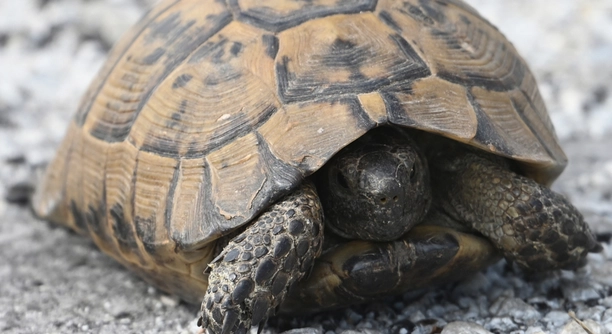
Choosing the right water dish for your Russian Tortoise is important for both its hydration and safety. Proper water management ensures your tortoise stays healthy and comfortable in its environment.
To select the right water dish for your Russian Tortoise, choose a shallow, stable dish that is easy for your tortoise to access without the risk of tipping over. The dish should be large enough for hydration but not too deep.
The type of water dish you choose can greatly impact your tortoise’s overall well-being. Keep reading to learn how to select the best option for your pet.
Types of Water Dishes for Russian Tortoises
When selecting a water dish for your Russian Tortoise, you want to ensure it’s not only functional but also safe. Shallow dishes are best, as they allow your tortoise to drink without the risk of drowning. Avoid deep dishes, as your tortoise may struggle to reach the water or could accidentally tip over. Plastic or ceramic dishes are popular options due to their durability, but the material should be heavy enough to avoid tipping. Additionally, the water dish should be wide enough for your tortoise to comfortably drink from and should not have any sharp edges that could harm them.
The water dish should also be easily cleanable to maintain proper hygiene. This is essential for preventing bacterial growth, which could lead to health problems for your tortoise. Choose a dish that you can clean thoroughly each day to ensure your tortoise always has fresh water available.
Remember to place the dish in a quiet area of the enclosure. This will help reduce any stress that may be caused by placing it in a high-traffic spot. Consider your tortoise’s size and preferences when choosing a dish to make sure it’s the right fit. Keep the dish filled with fresh water to maintain hydration and prevent dehydration.
Material Considerations
The material you choose for the water dish is just as important as the size and shape. Ceramic and stone dishes are often the best choices due to their durability and weight. Unlike plastic, these materials are less likely to tip over when your tortoise approaches. They also tend to last longer and are more resistant to damage over time. However, ceramic and stone dishes can be heavier and may break if dropped, so handle with care.
Some tortoise owners also choose stainless steel, which is easy to clean and highly resistant to bacteria buildup. However, stainless steel dishes can sometimes be slippery and harder for your tortoise to grip. When selecting the best material, consider both safety and convenience for both you and your pet.
Size and Depth of the Water Dish
The size of the water dish should be large enough for your tortoise to drink comfortably but not too large to cause the dish to tip over. Shallow, wide dishes are ideal as they allow your tortoise to access the water easily. Avoid deep dishes as they can be dangerous.
Choosing the right depth is also important. The dish should be shallow enough for your tortoise to drink from without the risk of falling in and struggling. A depth of one to two inches is typically sufficient, but adjust based on the size of your tortoise. It’s best to observe your pet and see if the depth allows easy access to water without stress.
A shallow dish will also make it easier for you to clean daily. Regular cleaning helps avoid any bacterial build-up or dirty water, which can cause health issues. Keeping the water fresh is essential for your tortoise’s well-being. This also reduces the chances of mold or algae forming inside the dish.
Dish Stability
Stability is crucial when choosing a water dish for your tortoise. A heavy, stable dish prevents accidental tipping. A dish that tips over too easily can create a mess and potentially cause dehydration. Heavier materials, like ceramic or stone, work well for this purpose.
A stable dish is not just about weight but also about shape. A flat, wide dish provides a solid base, reducing the risk of tipping. In contrast, narrow or unevenly shaped dishes are more prone to wobbling. Consider the stability when placing the dish in your tortoise’s enclosure to keep things secure. You may need to adjust based on your tortoise’s behavior.
If you use a plastic dish, it may be helpful to place a non-slip mat underneath it to keep it in place. Make sure the material is non-toxic to your tortoise, as some plastics can leach harmful chemicals. The goal is to create a secure, safe environment for your pet to drink from.
Cleaning and Maintenance
Keeping the water dish clean is essential for your tortoise’s health. A dirty dish can lead to bacterial growth and potential illness. Make sure to wash the dish daily, using warm water and mild soap to remove any residue.
A clean dish ensures that your tortoise always has fresh water, free of any contaminants. Check the dish for any buildup like algae or food remnants, and clean it thoroughly to avoid these issues. Routine cleaning also helps prevent mold and keeps the water fresh.
Placement of the Water Dish
Place the water dish in an area where your tortoise feels comfortable. Avoid high-traffic spots that could stress your tortoise. It should be easily accessible, allowing your pet to drink without difficulty.
When placing the dish, make sure it’s in a flat area of the enclosure to avoid tipping. A stable spot, away from direct sunlight, will also help maintain the water temperature, ensuring it doesn’t get too warm. Keep the dish in a location where your tortoise can access it easily but without interference from other objects in the enclosure.
FAQ
What is the best type of water dish for a Russian Tortoise?
The best water dish for a Russian Tortoise is one that is shallow, stable, and easy to clean. Ceramic or stone dishes are usually ideal because they are heavy enough to prevent tipping. These materials also help maintain water temperature, making them more suitable for your tortoise. Avoid using deep dishes, as they can pose a drowning risk. The dish should be wide enough to allow your tortoise to drink comfortably, but not too large or deep.
How often should I clean my tortoise’s water dish?
It is best to clean your tortoise’s water dish daily. This helps prevent bacteria, mold, or algae from developing. Cleaning the dish regularly ensures your tortoise always has access to fresh, clean water. Use mild soap and warm water for cleaning, and rinse thoroughly before refilling it with fresh water.
Can I use a plastic dish for my tortoise’s water?
You can use a plastic dish, but it’s important to ensure the dish is heavy and sturdy enough not to tip over. Plastic is lightweight and can easily be knocked over, which could cause water spills or dehydration. Additionally, some plastics may contain chemicals that could harm your tortoise, so be sure to choose a non-toxic plastic dish.
Should I place the water dish in direct sunlight?
No, it is best not to place the water dish in direct sunlight. Water that is exposed to sunlight can warm up too quickly, which may be uncomfortable for your tortoise. Also, water can evaporate faster under direct sunlight, requiring more frequent refills. Instead, keep the dish in a shaded area to maintain a consistent temperature.
Can I use a water dish with a ramp or steps for my tortoise?
A water dish with a ramp or steps can be beneficial if your tortoise has difficulty reaching the water. However, these features can sometimes make it harder to clean the dish thoroughly. If you use a dish with a ramp, ensure the steps are shallow and easy for your tortoise to navigate.
How much water should I provide for my Russian Tortoise?
Russian Tortoises do not need large amounts of water, but they should have access to fresh water at all times. A shallow dish that is large enough to allow your tortoise to drink comfortably is sufficient. Avoid overfilling the dish as it can create a mess. Ensure that the water level is always adequate for hydration.
How can I prevent my tortoise’s water from getting dirty quickly?
To prevent the water from getting dirty quickly, clean the water dish daily, remove any food remnants or waste, and consider placing the dish in a less cluttered area of the enclosure. You can also try using a dish with higher sides to minimize debris from entering the water. A larger dish can also help reduce the frequency of cleaning since it won’t get soiled as quickly.
What should I do if my tortoise refuses to drink from its water dish?
If your tortoise refuses to drink, ensure the water is clean and fresh. You can also try changing the location of the dish or offering water in a different type of container. Sometimes tortoises may prefer drinking from a shallow dish rather than a bowl. Make sure your tortoise is not stressed or uncomfortable in its environment, as that could also affect its willingness to drink.
Is it necessary to offer water to my Russian Tortoise every day?
Yes, it is essential to offer water every day. Even though Russian Tortoises come from dry habitats, they still need to stay hydrated. Providing fresh water daily ensures they remain healthy and hydrated. Dehydration can lead to serious health problems, so never skip providing water for your tortoise.
How can I ensure my tortoise stays hydrated if it doesn’t drink much water?
If your tortoise isn’t drinking much, try offering water through soaking. You can gently place your tortoise in a shallow dish of warm water for about 15-20 minutes. This can encourage hydration through the skin, especially if your tortoise is reluctant to drink directly from the dish. Always ensure that the water temperature is appropriate for your tortoise’s comfort.
Should I offer my tortoise any other water sources besides a dish?
While a water dish is the main source of hydration, you can offer additional hydration through moist vegetables, like lettuce or cucumbers. These can help provide some extra moisture to supplement your tortoise’s water intake. Just make sure that any wet food is fresh and free from pesticides.
Can I use a water fountain for my Russian Tortoise?
Water fountains can be a good option for keeping water clean and providing continuous access to hydration. However, make sure the fountain is safe and designed for reptiles, with shallow levels and no risks of your tortoise becoming trapped. Fountains can also make it easier for your tortoise to access fresh water regularly.
When selecting the right water dish for your Russian Tortoise, it’s important to keep their safety and comfort in mind. A shallow, stable dish made from materials like ceramic or stone will help ensure the water stays in place and is easy for your tortoise to access. Avoid deep dishes, as they pose a drowning risk. The size of the dish should be adequate for your tortoise to drink from but not too large that it becomes difficult to manage or clean. A well-chosen water dish can contribute to your tortoise’s overall well-being and make hydration easier for both you and your pet.
Cleaning your tortoise’s water dish is an essential part of their care routine. A dirty dish can lead to bacteria growth, which can cause health issues for your tortoise. It’s best to clean the water dish every day using warm water and mild soap, ensuring that any food remnants or waste are removed. Keeping the dish clean also ensures that your tortoise has access to fresh water at all times. Regular cleaning is simple but can make a significant difference in preventing unwanted health problems and maintaining a hygienic environment for your pet.
Proper placement of the water dish is another key consideration. Placing the dish in a stable, low-traffic area helps reduce stress for your tortoise while making it easy for them to drink. Avoid placing it in direct sunlight, as this can lead to water warming up too much. A shaded area will help maintain the right water temperature and reduce evaporation. Paying attention to these details, along with keeping the dish clean and choosing the right materials, can ensure your tortoise stays hydrated and happy.

Hello,
If you enjoy the content that we create, please consider saying a "Thank You!" by leaving a tip.
Every little bit helps us continue crafting quality advice that supports the health, happiness, and well-being of pets around the world, for pets of all shapes, sizes, and species.
We really appreciate the kindness and support that you show us!