
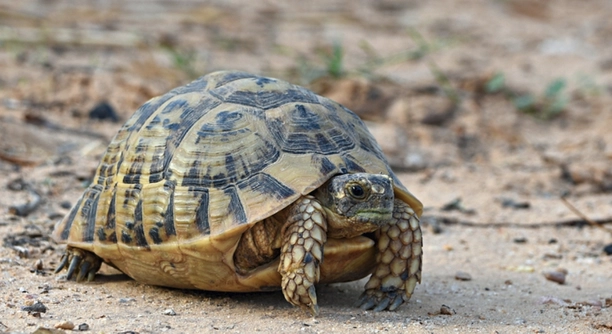
Russian tortoises are popular pets, but their well-being requires attention to various factors, including the temperature of their environment. Cold temperatures, especially at night, can negatively affect their health. Understanding signs of discomfort is key.
The simplest way to tell if your Russian tortoise is too cold at night is by monitoring its activity level and behavior. If your tortoise is lethargic, hides more than usual, or avoids moving, it may be experiencing a drop in temperature.
Knowing how to identify the signs of cold stress in your tortoise will help ensure its comfort and safety. Keep reading for tips on how to create the ideal environment for your pet.
Temperature and its Effects on Your Russian Tortoise
At night, a significant drop in temperature can cause your Russian tortoise to become stressed or inactive. They are cold-blooded animals, meaning their body temperature is regulated by their surroundings. If the environment gets too cold, it can lead to issues like a weakened immune system or even respiratory problems. As they cannot generate their own heat, they rely on external sources to maintain a healthy body temperature. If their enclosure is too cold, you might notice your tortoise becoming sluggish, sleeping more than usual, or not eating properly. This is a clear sign that the temperature isn’t ideal for them. A consistent temperature range, especially during nighttime, is crucial for their overall well-being.
It is essential to check both daytime and nighttime temperatures. Even though the temperature during the day might seem fine, the drop at night can have a significant impact. Make sure your tortoise’s enclosure is equipped with a heat source, such as a ceramic heat emitter or heat pad, which can maintain warmth during the night.
Proper lighting and heating should be a priority when creating an environment for your Russian tortoise. Consider using a thermostat to maintain stable conditions. With the right setup, your tortoise will thrive.
Signs of a Cold Tortoise
A cold tortoise may appear less active than usual. It might hide more often, refuse to eat, or appear lethargic. These behaviors are common signs that the temperature is too low for your pet’s comfort. If you notice this, it’s important to assess their environment promptly.
A healthy Russian tortoise should be active, especially in the morning. If it remains in its hide or moves slowly during the day, it’s a sign that something isn’t right. Cold stress can impact their digestion, making them lose interest in food. This can lead to long-term health issues if left unaddressed.
Constantly monitor the temperature in their habitat. It should be warm during the day, between 75°F to 85°F, and drop to no less than 65°F at night. If the temperature goes lower than this range, your tortoise could suffer from cold-related stress, which can affect its health.
Creating a Comfortable Habitat
A warm environment is essential for your Russian tortoise. The heat source should be placed at one side of their enclosure to create a temperature gradient. This allows the tortoise to move between warmer and cooler areas as needed. A proper basking spot is also essential for digestion and overall health.
Adding a heat lamp or ceramic heat emitter is an easy way to keep temperatures stable. Make sure to place it over the basking area, where your tortoise can warm up. Along with heating, using a thermometer ensures the temperature stays within the correct range. Avoid using heat rocks, as they can become too hot and cause burns. A well-heated enclosure allows your tortoise to regulate its body temperature effectively.
Monitoring Activity Levels
A Russian tortoise’s activity can reveal a lot about its temperature comfort. If your tortoise is spending more time in its hide or moving sluggishly, it may be too cold. Increased time spent in hiding indicates the need for warmer temperatures.
On the other hand, if your tortoise is roaming more actively, it is likely comfortable and at a proper temperature. A healthy tortoise will usually seek warmth when needed, so be sure the temperature gradient in its habitat is maintained. This balance between warmth and coolness allows them to regulate their body heat naturally.
Using Heat Mats and Pads
Heat mats and pads are effective tools for creating a stable temperature environment in your tortoise’s habitat. These devices provide a gentle, consistent heat that warms the substrate without overwhelming your tortoise. Be sure to place the heat mat under one section of the enclosure, allowing the tortoise to move between warm and cool spots.
This method is particularly useful during the night when temperatures tend to drop. It ensures the tortoise has access to warmth while resting, reducing the risk of cold stress. Always monitor the temperature closely, as overheating can be just as harmful as being too cold.
Temperature Gradients
A proper temperature gradient within the enclosure is vital. This allows your tortoise to choose its preferred temperature zone, promoting comfort and healthy behavior. The warm side should be between 85°F and 90°F, while the cooler side should be around 70°F to 75°F. Make adjustments if needed to keep the environment suitable for your pet’s needs.
FAQ
How do I know if my Russian tortoise is too cold at night?
If your Russian tortoise is cold, it may become inactive, hide more than usual, or lose interest in eating. You might also notice it moving slowly or not responding as it usually would. These are signs that the temperature is too low. To address this, check the temperature in their habitat and ensure that it stays within the proper range.
What temperature should my Russian tortoise’s enclosure be at night?
At night, the temperature should not fall below 65°F. The ideal range for nighttime temperatures is between 65°F to 75°F. If the temperature drops lower, your tortoise may experience discomfort, leading to lethargy or health issues. Using a ceramic heat emitter or heat mat can help maintain warmth through the night.
Can I use a heat lamp for my Russian tortoise?
Yes, you can use a heat lamp for your tortoise, but it is important to place it in a way that creates a temperature gradient in the enclosure. The lamp should be positioned over one side of the habitat so that your tortoise can move between a warmer area and a cooler one. This allows your tortoise to regulate its body temperature based on its needs.
What is the best way to warm up my Russian tortoise’s habitat?
To warm up your tortoise’s habitat, use a combination of a heat lamp and heat mats. The heat lamp should provide direct warmth for basking, while heat mats can help maintain overall warmth, especially during the night. Both should be placed strategically to create a temperature gradient.
Is it dangerous if my Russian tortoise gets too cold at night?
Yes, it can be harmful. Russian tortoises, like other reptiles, rely on external heat sources to regulate their body temperature. If the temperature drops too low, it can lead to cold stress, which affects their digestion, immune system, and overall health. Long-term exposure to cold conditions can cause severe health issues.
How do I prevent my Russian tortoise from getting too cold?
To prevent your tortoise from getting too cold, maintain a consistent temperature range in its enclosure. Use heat lamps during the day and ceramic heat emitters or heat mats at night. Monitor the temperature regularly with a thermometer to ensure it stays within the recommended range.
Should I let my Russian tortoise roam outside at night?
It is not recommended to let your Russian tortoise roam outside at night, especially if temperatures drop significantly. Outdoor conditions at night can be unpredictable, and your tortoise may not have access to the proper heat sources it needs to stay warm. Keep your tortoise in a controlled indoor environment to ensure its health.
Can I use a heat rock for my Russian tortoise?
It is not recommended to use heat rocks for your Russian tortoise. Heat rocks can become excessively hot, leading to burns or injuries. Instead, use safer heating methods, like ceramic heat emitters, heat pads, or heat lamps, which provide more consistent and controllable warmth for your tortoise.
What are the signs of overheating for my Russian tortoise?
Signs of overheating in a Russian tortoise include excessive panting, lethargy, and avoiding the basking area. Overheating can cause stress, dehydration, and even organ failure. If your tortoise shows any of these signs, immediately move it to a cooler area and adjust the temperature of its habitat.
Can I use a thermostat to control the temperature for my Russian tortoise?
Yes, using a thermostat is a good way to maintain a stable temperature for your Russian tortoise. A thermostat can help regulate heating devices like lamps or mats, ensuring that the enclosure doesn’t get too hot or too cold. This is especially important for maintaining a consistent environment.
Final Thoughts
Ensuring your Russian tortoise is kept at the right temperature is key to its health and well-being. Cold stress can lead to several problems, including a weakened immune system, digestion issues, and a general decline in activity. It is crucial to monitor the temperature within its enclosure, especially during the night when temperatures naturally drop. A consistent temperature gradient will allow your tortoise to regulate its body heat and remain comfortable, reducing the risk of cold-related issues.
Taking small steps like using a heat lamp, ceramic heat emitter, or heat mats can help maintain the right environment. The temperature should be between 75°F to 85°F during the day, and no lower than 65°F at night. Using a thermometer to track temperature levels will give you a clear idea of whether adjustments are necessary. A warm, comfortable habitat promotes healthy digestion, activity, and overall well-being, so make sure your tortoise has access to consistent warmth.
Keep in mind that tortoises, like all reptiles, rely on their environment to regulate their body temperature. A suitable habitat setup is essential for them to thrive. By following these guidelines and ensuring your tortoise has a warm and stable environment, you can support its health and happiness in the long run. Regularly check the temperature in the enclosure and adjust heating sources as needed to create a safe, comfortable space for your pet. This way, your tortoise can live a healthy, active life free from the risks associated with cold stress.

Hello,
If you enjoy the content that we create, please consider saying a "Thank You!" by leaving a tip.
Every little bit helps us continue crafting quality advice that supports the health, happiness, and well-being of pets around the world, for pets of all shapes, sizes, and species.
We really appreciate the kindness and support that you show us!