
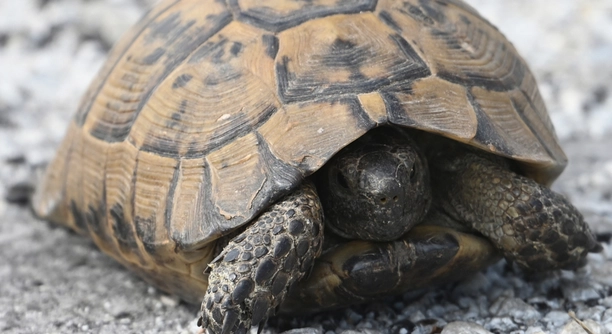
A Russian tortoise enclosure requires specific items to ensure its inhabitants remain healthy and happy. Providing the right environment will help mimic their natural habitat, offering them both comfort and stimulation. Creating this space is essential.
To build a proper enclosure for a Russian tortoise, you need to include a spacious habitat, proper lighting, a heat source, humidity control, a hiding spot, appropriate substrate, and access to fresh food and water. These elements are key to their well-being.
With these essential items, your tortoise will thrive in a well-maintained and enriching environment. Ensuring all needs are met allows your tortoise to stay healthy and active.
Spacious Habitat for Your Russian Tortoise
The space where your Russian tortoise lives is one of the most important factors for their well-being. Russian tortoises need a roomy enclosure to roam and explore. A small, cramped space can cause stress and hinder natural behaviors. The enclosure should be large enough to allow them to move freely. The minimum recommended size for a single tortoise is 4 feet long by 2 feet wide. This space gives them room to stretch, climb, and explore without feeling confined.
Providing adequate space is essential for promoting healthy exercise and reducing stress. It allows them to exhibit more natural behaviors, such as burrowing and exploring, which are critical to their happiness. The more space, the better for their mental and physical health.
If you have multiple tortoises, increase the size of the enclosure accordingly. A larger space ensures that each tortoise has their own territory, reducing conflicts and allowing them to thrive.
Proper Lighting for Health
Lighting plays a crucial role in your tortoise’s health. It mimics the natural sunlight they would get outdoors. A full-spectrum UVB light is necessary to help your tortoise synthesize vitamin D3, which is essential for calcium absorption and shell development. Make sure the light is positioned at an appropriate distance to avoid overheating or causing stress.
Using a UVB light ensures that your tortoise has the correct lighting for both their health and behavior. It also helps maintain their circadian rhythm, supporting their natural activity and rest cycles. Having a proper light source also keeps your tortoise active and engaged during the day.
Heat Source to Keep Your Tortoise Comfortable
A reliable heat source is essential to mimic the natural temperature range your tortoise would experience in the wild. The basking area should reach 95-100°F, while the cooler side can be around 75-80°F. This temperature gradient allows your tortoise to regulate its body temperature effectively.
Using a heat lamp or ceramic heat emitter is ideal. Be sure to monitor the temperature regularly with a thermometer to ensure the environment remains consistent. A temperature drop can cause stress, slow digestion, and lead to health problems over time. Always avoid using heat rocks, as they can burn your tortoise.
Humidity Control for a Balanced Environment
Maintaining the right humidity level is important for your tortoise’s respiratory health and overall comfort. Russian tortoises need humidity between 30-50%. Too much moisture can lead to respiratory issues, while too little can cause dehydration and shedding problems.
Use a humidity gauge to monitor the enclosure’s moisture levels, especially if you live in a dry area. A shallow water dish and occasional misting can help regulate the humidity, but be cautious not to create a damp environment. Ensure the substrate isn’t too wet, as this could promote mold growth, affecting your tortoise’s health.
Hiding Spot for Security
A hiding spot is essential for your tortoise to feel secure. In the wild, they naturally seek shelter to escape predators and rest. Providing a hiding place offers your tortoise a safe retreat from the outside world.
A simple cave-like structure made of wood, ceramic, or stone can work well. Make sure it’s large enough for your tortoise to enter and turn around comfortably. This space will give them peace and privacy, which is especially important for reducing stress.
Appropriate Substrate for Comfort
Choosing the right substrate helps create a comfortable environment. Avoid using sand or gravel, as they can irritate your tortoise’s skin and digestive system. A mixture of organic soil, coconut coir, and leaves works well for both burrowing and comfort.
The substrate should be deep enough to allow your tortoise to dig and explore, simulating their natural habitat. Keep it dry and clean to avoid any health issues. Spot clean regularly, and replace the substrate entirely every few months to maintain a healthy environment.
Fresh Food and Water Access
Fresh food and clean water are vital to your tortoise’s health. Offer a variety of leafy greens, such as dandelion greens, collard greens, and mustard greens. Avoid high-oxalate foods like spinach, which can cause calcium absorption issues.
Always provide fresh, clean water in a shallow dish. Russian tortoises often drink sparingly, but it’s important to keep water available. Make sure the water dish is not too deep to prevent drowning, and change it daily to keep it fresh.
FAQ
How often should I feed my Russian tortoise?
You should feed your Russian tortoise daily, offering a variety of leafy greens and vegetables. Younger tortoises may need more frequent meals, while adults can be fed once a day. Avoid feeding high-protein foods, as this can lead to health issues.
What is the best way to handle my Russian tortoise?
When handling your Russian tortoise, always support its body fully. Avoid picking it up by the shell, as this can cause stress or injury. Gently lift them by cupping both hands around their sides and allow them to move freely on the ground.
Can Russian tortoises live together?
Russian tortoises can live together, but it’s best to house them separately. Males can become territorial, and conflicts may arise. If you choose to house multiple tortoises in the same enclosure, make sure there’s enough space for each one to claim its territory.
What should I do if my Russian tortoise is not eating?
If your Russian tortoise is refusing food, check for potential health issues or environmental stress. Ensure their habitat is within the correct temperature and humidity range. If problems persist, consult a vet for guidance. It’s important to address the issue early to prevent further complications.
Do Russian tortoises hibernate?
Yes, Russian tortoises have a natural hibernation cycle, usually during the colder months. They will slow down and become less active. If your tortoise is hibernating, make sure it’s healthy before letting it hibernate. Consult a vet if you’re unsure.
How do I keep my Russian tortoise enclosure clean?
Cleaning your tortoise’s enclosure is essential for preventing health issues. Spot clean daily by removing any leftover food and waste. Replace the substrate every few months and disinfect the enclosure occasionally with a pet-safe cleaner. Regular cleaning keeps bacteria at bay.
What kind of lighting does my Russian tortoise need?
Your Russian tortoise needs UVB lighting to simulate sunlight. A full-spectrum UVB bulb should be used for 10-12 hours a day. Place the light at an appropriate distance from the tortoise, ensuring the basking area reaches the proper temperature to allow for proper calcium absorption.
What temperature should my Russian tortoise’s enclosure be?
Your tortoise’s enclosure should have a gradient, with the basking area between 95-100°F and the cooler side between 75-80°F. This allows your tortoise to regulate its body temperature by moving between the warm and cool areas.
Can I use a heat rock in my tortoise’s enclosure?
No, heat rocks are not recommended. They can become too hot and burn your tortoise, causing serious injury. Instead, use a heat lamp or ceramic heat emitter to regulate the temperature in your tortoise’s enclosure safely.
How can I make sure my Russian tortoise stays hydrated?
Provide fresh water daily in a shallow dish. Russian tortoises do not drink large amounts of water but still need access to it at all times. Occasionally mist the enclosure lightly to help maintain humidity and ensure hydration.
Final Thoughts
Creating the right environment for your Russian tortoise is essential for their well-being. It’s important to consider their natural habitat and replicate it as much as possible. Providing the correct temperature gradient, appropriate humidity, and a proper substrate can significantly improve their quality of life. Don’t forget the importance of a good hiding spot for security and comfort. These simple changes can help ensure your tortoise stays happy and healthy for years to come.
Feeding your Russian tortoise a balanced diet is just as important as creating the perfect habitat. Offering a variety of leafy greens and fresh vegetables will give them the nutrients they need. Avoid foods high in oxalates or protein, as they can cause long-term health problems. Make sure to offer food daily and keep their water dish clean and filled with fresh water. This consistency in their care routine will help them thrive.
Remember that regular monitoring and adjustments are key. Your tortoise’s needs may change with age, and you should remain flexible in caring for them. Pay attention to their behavior, especially when it comes to feeding, hydration, and activity levels. If any concerns arise, such as a loss of appetite or abnormal behavior, consulting a vet can help prevent issues from escalating. Overall, providing a stable and caring environment will ensure your Russian tortoise leads a long, happy, and healthy life.

Hello,
If you enjoy the content that we create, please consider saying a "Thank You!" by leaving a tip.
Every little bit helps us continue crafting quality advice that supports the health, happiness, and well-being of pets around the world, for pets of all shapes, sizes, and species.
We really appreciate the kindness and support that you show us!