
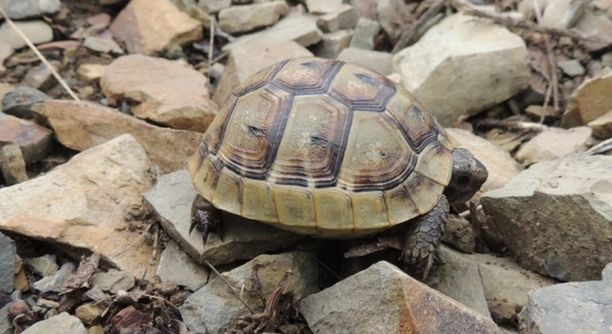
Setting up an outdoor enclosure for a Russian Tortoise is essential for their well-being. It allows them to enjoy natural sunlight, fresh air, and space to roam, which is crucial for their health and happiness.
To properly set up an outdoor enclosure, you need to provide a secure, spacious area with natural elements like rocks and plants. The enclosure should have proper ventilation and shelter to protect the tortoise from extreme weather.
Creating the right environment for your Russian Tortoise will promote natural behaviors and help keep them healthy. Let’s explore what’s involved in setting up the perfect outdoor habitat.
Choosing the Right Location for the Enclosure
When setting up your Russian Tortoise’s outdoor enclosure, the location is key. A spot with plenty of sunlight is ideal since Russian Tortoises need exposure to UVB rays for vitamin D3 production. Choose a place where they can get at least 6 hours of direct sunlight per day, but make sure it’s not too hot or exposed to harsh winds. It should also be a safe area where predators can’t easily access. Ensure the spot is away from heavy foot traffic or areas where other pets might bother the tortoise.
A well-chosen location will help your tortoise thrive outside. Take into account safety, temperature, and light exposure when picking the spot.
Make sure the ground is dry and free of large puddles or flooding risks. Russian Tortoises prefer a warm, dry environment, so avoid low-lying areas. Choosing a sunny spot with shelter options nearby will offer your tortoise a comfortable space to roam.
Enclosure Size and Structure
The size of the enclosure matters for your tortoise’s well-being. A good rule of thumb is to provide at least 8 square feet of space for a single tortoise. Russian Tortoises are active, and a spacious area allows them to explore and forage, which is essential for their mental stimulation and physical health. The walls of the enclosure need to be tall enough—at least 12 inches high—to prevent escape. Ensure the structure is strong and sturdy to withstand outdoor conditions.
Building a secure, spacious structure will keep your tortoise safe while allowing for plenty of room to move.
A sturdy frame made from wood or metal is best. Consider using wire mesh or a solid barrier to prevent escape. Adding elements like rocks, logs, or plants will enrich the environment and make the space more enjoyable for your tortoise. Make sure to check the enclosure regularly to prevent wear and tear.
Shelter and Protection from the Elements
The shelter in the enclosure should provide protection from rain, wind, and extreme temperatures. A simple wooden box or small structure can serve as a hiding spot where your tortoise can rest safely. Ensure it’s well-ventilated to avoid heat buildup.
The shelter should be placed in a shaded area to protect your tortoise from the direct midday sun. Adding a roof or covering can help keep out rain while allowing air to flow freely. It should also be easy for the tortoise to access and large enough for it to move inside comfortably.
Ensure the shelter is moisture-resistant, as Russian Tortoises prefer dry environments. You can use a plastic or waterproof material for the roof. Consider adding bedding like hay or straw to create a soft surface where your tortoise can rest. Regularly clean the shelter to maintain a healthy environment.
Substrate for the Enclosure
For substrate, a mix of soil, sand, and small pebbles works well. This allows the tortoise to dig and burrow naturally. Avoid using materials like cedar shavings, as they can be harmful.
Ensure the substrate is about 4-6 inches deep to allow for natural digging. A good mix of organic topsoil and sand gives your tortoise the texture it needs to burrow comfortably. Make sure the material doesn’t become too compact or moist.
Monitor the moisture levels in the substrate, as dampness can lead to health problems. It’s important to keep the substrate dry and loose, so the tortoise can easily burrow for both comfort and safety. Regularly change or refresh the substrate to avoid mold or bacterial growth.
Adding Rocks and Hiding Spots
Rocks are essential for providing your Russian Tortoise with areas to climb or hide. Include a mix of large flat rocks and smaller ones. This allows them to explore, exercise, and find shelter.
Flat rocks work best as basking spots. You can position them in sunny areas, so your tortoise can warm up. Smaller rocks can serve as hiding places, offering comfort when it needs a break from the sun.
Make sure the rocks are secure and not likely to shift, which could injure your tortoise. They should be placed in a way that allows easy access and encourage natural behavior, like climbing or resting.
Water Source
A shallow water dish should always be available in the enclosure. This allows your tortoise to drink and soak when needed.
Make sure the dish is large enough for the tortoise to submerge its legs but not so deep that it could drown. Check the water daily to ensure it’s clean and free of debris.
Use a stable, non-tip bowl to avoid spills. You can place the water dish in a shaded part of the enclosure, where the water will stay cooler during the day. Regularly replace the water to keep it fresh.
FAQ
How do I prevent my tortoise from escaping?
To prevent your Russian Tortoise from escaping, make sure the walls of the enclosure are tall enough—at least 12 inches—and extend the barrier a bit below the ground to prevent digging. Russian Tortoises are good at digging, so burying part of the barrier is important. You can also reinforce the enclosure with a metal mesh or hardware cloth to make sure they can’t push through. Check regularly for weak spots or gaps where the tortoise might slip through.
Can I leave my tortoise outside in all weather?
No, you shouldn’t leave your Russian Tortoise outside in extreme weather. They can handle moderate heat and sun, but extreme cold can cause health problems. If the temperature drops below 50°F (10°C), it’s best to bring them inside or provide a heated shelter. Similarly, heavy rain or strong winds can be dangerous, so make sure they have a dry, protected space. Always monitor the weather and make adjustments to their environment as needed.
What should I feed my Russian Tortoise in the enclosure?
Russian Tortoises are herbivores, so provide them with a variety of leafy greens, grasses, and safe vegetables. Good choices include dandelion greens, clover, collard greens, and kale. Avoid feeding them high-oxalate vegetables like spinach, as they can lead to kidney problems. Add flowers like hibiscus or clover to their diet for extra variety. Ensure fresh water is available at all times. Avoid offering fruits too often, as they are too sugary for them.
How often should I clean the enclosure?
You should clean your Russian Tortoise’s enclosure at least once a week, more often if it gets particularly dirty. Remove any uneaten food and droppings daily to keep the habitat clean. Scrub down the shelter and the water dish regularly, using mild soap and water. Make sure to rinse thoroughly to avoid any harmful residues. Changing the substrate every few months is also a good practice to maintain a fresh, hygienic environment.
Can I keep multiple tortoises in the same enclosure?
It’s possible to keep multiple Russian Tortoises in the same enclosure, but you must ensure there’s enough space for each tortoise to have its own territory. Overcrowding can lead to stress, competition for food, and aggression. A general rule is to provide at least 8 square feet per tortoise. If you have more than one, you’ll need to carefully monitor them for signs of conflict, such as fighting or constant chasing.
Do I need to provide supplements for my tortoise?
Russian Tortoises may need calcium and vitamin D3 supplements, especially if they are not getting enough UVB exposure. Dust their food with a calcium supplement 2-3 times a week. Be sure to use a high-quality calcium powder that doesn’t contain phosphorous. If your tortoise doesn’t get enough natural sunlight, consider using a UVB light bulb to help with vitamin D3 production.
How can I keep my tortoise safe from predators?
To keep your Russian Tortoise safe from predators, make sure the enclosure is secure and sturdy. Use high-quality fencing or wire mesh to keep out animals like raccoons, foxes, or dogs. You can also partially bury the fence to prevent predators from digging underneath. Always inspect the perimeter to ensure there are no weak spots. Consider using a secure lid for the enclosure if birds or other animals could pose a threat.
What temperature should the enclosure be?
The temperature in the enclosure should be between 75°F (24°C) and 85°F (29°C) during the day. Provide a basking spot where the temperature can reach 90°F (32°C). At night, the temperature can drop to around 60°F (15°C) without causing harm. If temperatures dip too low, use a heat lamp or a heated shelter to provide warmth. Be cautious not to overheat the enclosure, as Russian Tortoises are sensitive to excessive heat.
Do I need to provide UVB lighting in the enclosure?
Yes, UVB lighting is essential for your Russian Tortoise, especially if they are kept indoors or don’t have access to natural sunlight. UVB light helps them synthesize vitamin D3, which is needed for calcium absorption. Place the UVB light source about 12-18 inches above the basking spot, and keep it on for 10-12 hours a day. Be sure to replace the bulb every 6 months, as the UVB output diminishes over time.
What are some common health problems for Russian Tortoises?
Some common health issues in Russian Tortoises include respiratory infections, shell rot, and metabolic bone disease. Respiratory infections are often caused by improper temperatures or humidity levels, while shell rot can result from wet conditions or injuries. Metabolic bone disease is linked to calcium and vitamin D3 deficiencies. Watch for signs like wheezing, lack of appetite, or softening of the shell. If you notice any symptoms, consult a veterinarian familiar with reptiles.
Creating the right outdoor enclosure for your Russian Tortoise is crucial to their health and happiness. By ensuring that the enclosure is spacious, secure, and filled with the right elements, you can provide a safe environment where your tortoise can enjoy natural behaviors. Proper shelter, a varied diet, and a well-maintained space will help your tortoise thrive. Don’t forget to keep an eye on the weather and make adjustments when necessary to ensure that your tortoise is comfortable and protected year-round.
It’s important to remember that the enclosure is not just about protecting your tortoise, but also about enriching their life. Offering rocks to climb, hiding spots, and proper substrate for digging allows them to express natural behaviors. These things help reduce stress and ensure that your tortoise remains active and healthy. Providing a water dish and ensuring your tortoise gets enough sunlight is also essential for their well-being. Regular care, cleaning, and monitoring will help maintain a healthy environment for your pet.
Lastly, while setting up the enclosure might seem like a lot of work at first, it becomes easier with routine maintenance. The effort you put into creating a safe, functional outdoor space for your Russian Tortoise will pay off in the long run. With the right setup, your tortoise can enjoy a long, healthy life outside. Simply stay mindful of their needs and continue to adapt the enclosure as they grow or as conditions change. Taking the time to create the perfect space will help your tortoise live a happy, fulfilling life.

Hello,
If you enjoy the content that we create, please consider saying a "Thank You!" by leaving a tip.
Every little bit helps us continue crafting quality advice that supports the health, happiness, and well-being of pets around the world, for pets of all shapes, sizes, and species.
We really appreciate the kindness and support that you show us!