
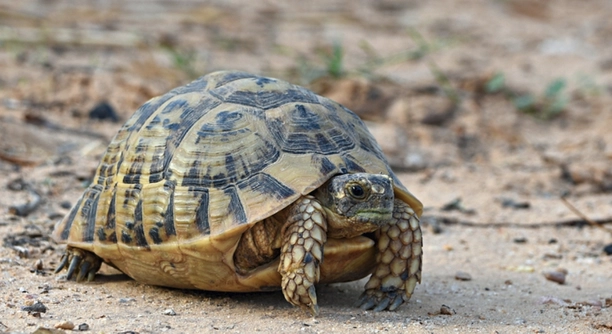
Encouraging a picky Russian tortoise to eat can be a challenge for many pet owners. Tortoises have unique dietary needs, and sometimes it can take a little extra effort to get them to enjoy their meals.
The key to encouraging your Russian tortoise to eat lies in offering a variety of foods that are both fresh and appealing. Mixing leafy greens, flowers, and occasional fruits can help stimulate their appetite and ensure they get a balanced diet.
Knowing what works best for your tortoise can make all the difference in their eating habits.
Understanding Your Russian Tortoise’s Preferences
Russian tortoises can be picky eaters, but understanding their specific preferences can help you find the right food that will appeal to them. A key factor in their diet is offering a mix of fresh greens, such as dandelion leaves, collard greens, and kale. These provide essential nutrients and are generally favored by tortoises. Fruits, while not essential, can be offered in small amounts as a treat. Offering a variety of textures is important too—some tortoises prefer the crunchiness of certain vegetables over softer ones.
A common reason for picky eating is the lack of variety. Tortoises may become bored with the same types of food and refuse to eat. Mixing up their meals can keep them interested and healthy.
Trying different foods and textures will help encourage your tortoise to eat more regularly. You’ll start noticing which foods they prefer and how often they should be offered. This approach will help keep them satisfied and prevent them from becoming too finicky.
The Importance of Proper Temperature
Temperature plays a significant role in a tortoise’s appetite. Cold environments can cause a decrease in their metabolism, making them less likely to eat. Ensure your tortoise’s habitat is warm enough, with a basking spot around 95°F (35°C) and a cooler area between 75°F (24°C) and 85°F (29°C).
Providing the right temperature will boost their activity levels and stimulate hunger. Without proper warmth, your tortoise may not feel motivated to eat. If you notice that your tortoise is not eating as much, consider adjusting the temperature of their enclosure. The right warmth encourages digestion and keeps their metabolism functioning.
Be mindful of the temperature regulation in your tortoise’s home. It can make a significant difference in their feeding habits. Tortoises are more likely to eat when they are comfortable in their environment, with the right balance of warmth and humidity.
Offering Fresh and Diverse Foods
When encouraging your Russian tortoise to eat, offering fresh, diverse foods is essential. Many tortoises enjoy a variety of leafy greens like turnip greens, mustard greens, and clover. Fresh flowers, such as hibiscus and dandelions, can also be enticing.
By offering a wide range of foods, you ensure your tortoise is getting the nutrients they need. The key is to introduce new items gradually. If they show interest in something, continue offering it, but don’t overwhelm them with too many options at once. The goal is to find what excites them without causing stress.
If your tortoise is hesitant to try something new, try sprinkling it with a small amount of dried herbs like oregano or basil. These can make the food more appealing. Additionally, slightly wilted greens can be more appetizing than crisp, fresh ones. This method of food preparation can work well for picky eaters.
The Role of Hydration
Hydration is just as important as diet when encouraging your Russian tortoise to eat. Ensure fresh, clean water is available at all times. A shallow dish with easily accessible water is ideal.
Tortoises can sometimes avoid eating if they are not properly hydrated. Dehydration can make their digestive system sluggish and discourage them from eating. Keeping their water bowl fresh and clean is essential for maintaining healthy hydration levels.
Adding a little water to their food, especially leafy greens, can encourage them to drink more. This can help them stay hydrated and promote better digestion. If you’re still having trouble getting them to eat, offering moist food can often tempt them into eating.
Providing Proper Lighting
Proper lighting helps regulate your tortoise’s appetite. UVB lighting is crucial for digestion and calcium absorption. Ensure your tortoise has access to UVB light for 10-12 hours each day to mimic natural sunlight.
UVB light helps tortoises process the nutrients in their food. Without it, they may not digest their meals properly and could lose interest in eating. If you’re unsure about the strength of the UVB light, consider replacing bulbs regularly to maintain effectiveness. A proper light setup not only supports appetite but also helps maintain overall health.
Consistency in Feeding Time
Keeping a consistent feeding schedule can encourage your tortoise to eat more regularly. Offering food at the same time each day will create a predictable routine.
Tortoises thrive on consistency, which includes meal timing. Regular feeding times can help them become accustomed to eating, making them more likely to approach food eagerly. A set routine may also reduce stress, helping them feel more comfortable.
FAQ
Why is my Russian tortoise not eating?
There can be a few reasons your Russian tortoise is not eating. Stress, temperature issues, or improper lighting can all affect their appetite. Ensure their habitat is warm enough with proper UVB lighting. If the temperature is too cold, they may not feel motivated to eat. Also, a lack of food variety can lead to pickiness. Try offering different types of leafy greens and occasional flowers to spark their interest.
How often should I feed my Russian tortoise?
Adult Russian tortoises typically need to eat every other day. They can be offered food daily, but feeding every other day helps mimic their natural eating habits. Fresh vegetables like dandelion greens, kale, and turnip greens are great options. Juvenile tortoises may need to eat more often, about once a day.
Can I feed my tortoise fruits every day?
Fruits should be offered in moderation. While tortoises enjoy the sweetness of fruits, too much can upset their digestion. Fruits should only make up 5-10% of their diet. You can offer fruits like strawberries, melon, or apples as treats, but greens should always be the main focus.
What if my Russian tortoise is eating too much?
If your tortoise is overeating, it could lead to obesity, which is not healthy for their long-term well-being. Monitor their weight and food intake. Ensure you’re not offering high-calcium or high-fat foods in excess. Adjust their food portions and focus on providing mainly leafy greens, with occasional fruits as treats.
Should I add supplements to my tortoise’s diet?
Supplementing your tortoise’s diet can be beneficial, but it should be done carefully. A calcium supplement is often recommended to promote healthy shell growth, especially if they are not getting enough from their diet. You may also consider adding a multivitamin supplement, but always consult with a vet to determine the right amounts. Over-supplementation can cause harm.
How do I know if my tortoise is dehydrated?
Signs of dehydration in Russian tortoises include sunken eyes, dry skin, and a lack of interest in eating. If you suspect dehydration, increase the humidity in their habitat and provide fresh, clean water daily. You can also soak them in warm water for 20-30 minutes to encourage hydration.
Can my tortoise eat weeds from my garden?
Not all weeds are safe for your tortoise. While some, like dandelions, are beneficial, others can be toxic. Avoid offering weeds that have been exposed to pesticides or herbicides. Always research the specific weeds in your garden to ensure they are safe for your tortoise before offering them as food.
Is it normal for my tortoise to eat at night?
Russian tortoises are crepuscular, meaning they are most active at dawn and dusk. If your tortoise is eating at night, it could be because they feel more comfortable and active during those hours. As long as they are eating, this behavior is not concerning. Just ensure their food is fresh and readily available.
How can I encourage my tortoise to eat different foods?
If your tortoise is picky, try offering a variety of foods to see what they prefer. Leafy greens, flowers, and herbs like basil or oregano can make meals more interesting. You can also try sprinkling a small amount of dried herbs or making their food slightly moist to increase appeal.
What should I do if my tortoise stops eating suddenly?
If your tortoise stops eating suddenly, check their environment. Ensure they are not stressed, their temperature is correct, and they have enough space to roam. If the problem persists for more than a few days, it could be a sign of an underlying health issue, and a visit to the vet is recommended.
Final Thoughts
Encouraging a picky Russian tortoise to eat requires patience and understanding. Every tortoise is unique, so what works for one may not work for another. The key is to observe your tortoise’s preferences and offer a variety of foods. Leafy greens should form the core of their diet, with occasional fruits and flowers as treats. It’s important not to overwhelm them with too many options at once, as this may lead to stress or refusal to eat.
Hydration plays a significant role in their overall health and appetite. Always provide clean water and monitor their hydration levels closely. Sometimes, soaking your tortoise in warm water can help encourage them to drink more. Proper lighting is also essential. UVB light allows them to absorb calcium and aids digestion. Without it, they may not feel motivated to eat, so ensure they have access to proper lighting for at least 10-12 hours a day.
Consistency is another important factor. Russian tortoises thrive on routines. Feeding them at the same time each day can make them more likely to approach their food. If your tortoise is still not eating after trying different strategies, there may be an underlying health issue. In such cases, it’s best to consult a vet to rule out any medical concerns. By maintaining a balanced diet, proper environment, and consistent care, you can help your tortoise stay healthy and encourage them to eat more willingly.

Hello,
If you enjoy the content that we create, please consider saying a "Thank You!" by leaving a tip.
Every little bit helps us continue crafting quality advice that supports the health, happiness, and well-being of pets around the world, for pets of all shapes, sizes, and species.
We really appreciate the kindness and support that you show us!