
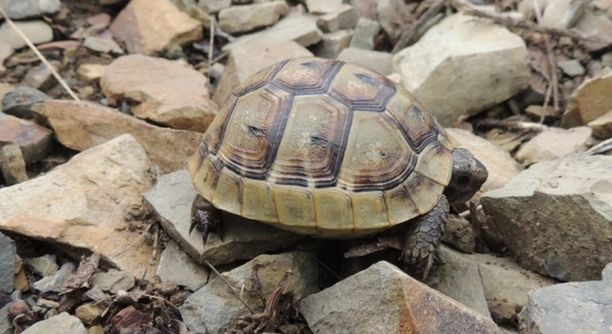
Tortoises are adorable pets, but their shells are delicate and can be easily damaged. If your Russian tortoise suffers a fall, knowing how to protect and care for its shell is essential for its health and safety.
To prevent shell damage from falls, create a safe, enclosed environment for your tortoise. Avoid hard surfaces and keep obstacles away from its path. Use soft materials like bedding to cushion any potential falls, minimizing the risk of injury.
Taking a few simple precautions can make all the difference in maintaining your tortoise’s well-being and protecting its vulnerable shell.
How Shell Damage Can Affect Your Russian Tortoise
A fall can cause serious damage to a tortoise’s shell. While it might seem tough, their shells are vulnerable and can crack or bruise easily. Damage to the shell can cause pain and may even lead to infections if not treated. In some cases, it can affect the tortoise’s overall health, making it harder for them to move or eat. It’s essential to keep an eye on any signs of injury, such as cracks, dents, or changes in the shell’s color. If the damage is severe, it can take time to heal, and veterinary attention may be necessary.
Shell injuries can be caused by more than just falls. Even minor drops or collisions can lead to harm. The shell is a tortoise’s main defense mechanism, so keeping it intact is important for their safety and well-being.
Preventing accidents like falls is the best way to protect your tortoise from shell damage. Ensuring their environment is safe and secure helps keep them healthy and active.
Creating a Safe Habitat
A secure enclosure is vital for protecting your tortoise. Use soft, absorbent bedding and avoid sharp objects.
Placing your Russian tortoise in a well-organized habitat can greatly reduce the risk of falls. For example, soft bedding like hay or coconut coir can cushion any accidental drops. Enclosures should have secure barriers that prevent your tortoise from climbing too high or falling. Consider keeping your tortoise in a large, well-ventilated container with minimal risk of them getting into dangerous spots. Additionally, avoid placing heavy objects near the edges of the enclosure. This way, if your tortoise does attempt to climb or explore, there is a lower chance of injury from a fall. Regularly check the surroundings for potential hazards, making sure all objects are stable and not sharp. By providing a safe space, you reduce the chances of serious damage from falls and create a more comfortable environment for your pet.
Soft Surfaces and Proper Cushioning
Soft surfaces help absorb impact if your tortoise falls. A cushioned environment reduces the risk of injury.
Placing soft materials like shredded paper, hay, or soft mats under your tortoise can make a big difference. These surfaces soften any accidental falls and protect the shell from damage. Avoid placing your tortoise directly on hard floors or rough surfaces. Even a small drop can lead to cracks or bruising. You can also use non-slip mats to keep your tortoise from slipping. Remember, comfort is important for your pet’s overall well-being, so choose bedding that offers both cushioning and stability. It’s an easy and effective way to keep them safe.
To further protect your tortoise, consider using soft barriers or small walls inside the enclosure. These barriers can help prevent falls by offering a boundary that encourages your tortoise to move in a safer space. You don’t need anything fancy—simple materials like foam or thick fabric work well. Keeping the floor area of the enclosure soft ensures that, in case of a fall, there is little chance of harm. Regularly check and adjust bedding to ensure it’s clean and provides proper protection.
Importance of Supervision and Playtime
Even though you can create a safe environment, supervision is still necessary during playtime. It helps prevent accidents.
Supervising your Russian tortoise while they are out of their habitat is essential. Even if you’ve created a safe, cushioned space, keeping an eye on them will prevent unexpected falls. Tortoises are naturally curious, so they might attempt to climb or explore areas where they could fall. By supervising their movements, you can guide them away from risky spots. Never leave them unattended on high surfaces or slippery floors. If you do allow them to roam outside their enclosure, make sure to block off any hazardous areas, such as stairs or unpadded flooring.
Playtime with your tortoise can be fun and stimulating, but it needs to be done in a controlled way. Consider using a playpen or a contained area to give them room to explore without worrying about potential falls. You can also add toys and structures to enrich their environment, but always prioritize safety. Even with supervision, it’s essential to ensure there are no sharp objects or unprotected edges that could cause harm. Keep the space clean and check regularly for any possible hazards that might pose a risk.
Regular Health Checkups
Regular checkups help ensure your tortoise’s shell is healthy and not showing signs of damage.
Taking your Russian tortoise to the vet for regular health checkups is important. A professional can spot issues early on, including shell problems caused by falls. Even if there are no obvious injuries, it’s good to have a veterinarian monitor their overall health. This ensures your tortoise stays in top condition.
Routine visits also give the vet the chance to examine your tortoise for hidden injuries that might not be visible. Small cracks or stress to the shell may not be immediately noticeable, so professional evaluation can catch these problems early. Regular checkups give you peace of mind, knowing your pet is being well cared for.
Shell Care and Maintenance
Taking care of your tortoise’s shell is an essential part of their overall well-being. Regular shell cleaning prevents the buildup of dirt or bacteria that can lead to infections.
Shell cleaning involves gently scrubbing with a soft brush and warm water. It’s important to avoid harsh chemicals or abrasive materials. Keeping the shell clean not only helps with overall hygiene but can also aid in spotting any cracks or abnormalities that might result from falls. Be sure to check for any changes in the shell’s texture or color, as this could indicate potential issues from an injury.
Additionally, make sure your tortoise has a balanced diet to support shell health. A proper diet rich in calcium and vitamin D is vital for maintaining a strong shell. This helps prevent any weakening that may result from falls or impacts. Keeping your tortoise well-fed and their shell clean plays an important role in preventing further complications from injuries.
Preventing High Falls
Avoid allowing your tortoise to climb or fall from high places to reduce the risk of serious injury.
Creating low, safe spaces for your tortoise to roam helps prevent falls from greater heights. Keep their environment close to the ground. This minimizes the chances of serious shell damage should an accident occur.
FAQ
What should I do if my tortoise falls and injures its shell?
If your tortoise falls and injures its shell, the first step is to check for visible damage. Look for cracks, chips, or any changes in the shell’s shape. If you notice any damage, contact a veterinarian immediately. Shell injuries can lead to infections if not treated properly. While waiting for the vet, keep your tortoise in a calm, safe environment, avoiding further stress or accidents. If the injury seems minor and there are no immediate signs of infection, you can gently clean the shell with warm water to remove dirt. However, a vet’s guidance is necessary for serious injuries.
How can I tell if my Russian tortoise has suffered from shell damage?
Shell damage can sometimes be hard to spot, especially if it’s minor. Look for cracks, dents, or discoloration on the shell. You may also notice your tortoise having trouble moving or eating, which could signal pain. If there is any bleeding or pus, it’s a sign of infection, and you should seek immediate veterinary care. A change in behavior, like being more withdrawn or inactive, can also indicate an injury.
Is there a way to prevent my tortoise from falling?
Yes, you can prevent your tortoise from falling by creating a safe, low environment. Avoid placing your tortoise on high surfaces like tables, shelves, or counters. Use soft, cushioned bedding in their enclosure, and secure any objects that could fall over and cause injury. You can also build barriers within the enclosure to prevent climbing or wandering into unsafe areas. Regular supervision during playtime outside the enclosure also ensures your tortoise stays safe.
Can a tortoise’s shell heal if it’s cracked?
In some cases, a tortoise’s shell can heal if it’s cracked, but it requires prompt attention. Small cracks may heal naturally over time, but larger or deeper cracks can lead to complications, like infections. A veterinarian can treat shell injuries by cleaning the area and applying medication to prevent infection. In severe cases, surgery may be needed to repair the shell. It’s important to keep the tortoise in a safe, clean environment to avoid further damage during recovery.
How do I protect my tortoise from shell damage during playtime?
To protect your tortoise during playtime, create a safe, enclosed area. Use soft mats, pillows, or foam padding on the floor to cushion any falls. Avoid letting your tortoise climb on high surfaces where they could potentially fall. Be mindful of sharp objects, heavy furniture, or corners that could cause injury. If your tortoise is exploring outside the enclosure, supervise them closely, and make sure there are no risks like stairs or slippery floors.
How do I ensure my tortoise’s shell stays healthy and strong?
A healthy shell begins with a balanced diet. Feed your tortoise a variety of leafy greens, vegetables, and fruits, ensuring they get enough calcium and vitamin D. These nutrients support shell growth and strength. Make sure your tortoise has access to a UVB light source to help with vitamin D synthesis, which is essential for shell health. Regular cleaning and proper hydration are also crucial. Check your tortoise’s shell regularly for signs of damage or illness, and keep their living area free from harmful materials that could cause injury.
Should I be worried if my tortoise’s shell looks soft?
Yes, a soft shell could be a sign of nutritional deficiencies, particularly a lack of calcium. If your tortoise’s shell is soft or shows signs of deformity, it’s important to adjust their diet and seek veterinary care. Increasing calcium intake, along with UVB light exposure, can help strengthen the shell. If the shell continues to soften, consult a vet to check for underlying issues such as metabolic bone disease.
How can I prevent my tortoise from climbing onto unsafe areas?
To prevent your tortoise from climbing onto unsafe areas, ensure their habitat has low edges and secure barriers. Use plastic or wooden fencing to create a boundary that prevents climbing. When letting your tortoise roam outside their enclosure, keep them in a contained area, such as a playpen. Block off areas like stairs or ledges, and always supervise them when outside their habitat to reduce the risk of accidents.
What is the best bedding for my Russian tortoise to prevent falls?
The best bedding for your Russian tortoise should be soft and absorbent, offering some cushion for falls. Options like hay, coconut coir, or shredded paper are great choices. These materials not only reduce the risk of injury but also provide a comfortable space for your tortoise to move around. Make sure the bedding is deep enough to allow for burrowing, as tortoises love to dig. Avoid using sand or gravel, as these can be too hard and may cause injury if your tortoise falls onto them.
Can shell injuries lead to long-term health problems?
Yes, shell injuries can lead to long-term health problems if not treated properly. Infections are a common complication, especially if cracks or wounds are left untreated. Over time, untreated injuries can lead to deformities, pain, or difficulty moving. Serious shell damage can also affect the tortoise’s overall quality of life. Seeking veterinary care immediately after an injury can prevent long-term issues and help your tortoise recover fully.
Are there any signs of shell infection I should watch for?
Yes, signs of shell infection include swelling, discharge (like pus or a bad odor), and discoloration around the injury site. The shell may appear soft or have a change in texture. If you notice your tortoise acting unusually lethargic or avoiding eating, these could be signs that the infection has affected their overall health. Infections can worsen quickly, so it’s essential to seek veterinary attention if you notice any of these symptoms.
What can I do to help my tortoise recover after a shell injury?
To help your tortoise recover after a shell injury, ensure they are in a clean, calm environment. Limit their activity to prevent further injury, and avoid exposing them to any stress. Follow the veterinarian’s instructions for medication or treatments, and monitor the shell closely for any signs of infection. Keep the tortoise’s enclosure clean and dry to promote healing. Proper diet and hydration are also important to aid the recovery process.
Final Thoughts
Taking proper care of your Russian tortoise’s shell is crucial to keeping them healthy and safe. The shell acts as a protective barrier, but it’s not invincible. Even small falls or bumps can cause damage, and that damage could lead to pain, infections, or other complications if not addressed quickly. By creating a safe environment for your tortoise, you can significantly reduce the risk of accidents and shell injuries. Simple measures like soft bedding, low enclosures, and careful supervision can go a long way in preventing harm. Always keep a watchful eye on your pet, especially during playtime or when outside their habitat, as falls are more likely to occur in unfamiliar settings.
When shell injuries do happen, it’s essential to act quickly. Minor cracks or bruises might seem like no big deal, but they can quickly worsen without proper treatment. Seeking professional care from a veterinarian ensures your tortoise receives the right treatment and care for any injuries. A vet will be able to assess the severity of the damage and recommend the best course of action, whether it’s cleaning the shell, prescribing medication, or even surgery in extreme cases. While healing, make sure your tortoise is in a calm, comfortable space where they can rest and recover without additional stress. Maintaining a healthy diet during recovery, including plenty of calcium and vitamin D, will also help the healing process.
Overall, preventing shell damage in the first place is far easier than treating it later. By taking the right precautions, you ensure your Russian tortoise has a safe and healthy living environment. Regular checkups, proper care, and attention to their well-being will not only protect their shell but will also improve their overall quality of life. A well-maintained environment, coupled with your proactive approach to preventing accidents, will help your tortoise thrive for many years. By staying vigilant and informed, you’ll ensure your pet remains healthy and free from shell damage.

Hello,
If you enjoy the content that we create, please consider saying a "Thank You!" by leaving a tip.
Every little bit helps us continue crafting quality advice that supports the health, happiness, and well-being of pets around the world, for pets of all shapes, sizes, and species.
We really appreciate the kindness and support that you show us!