
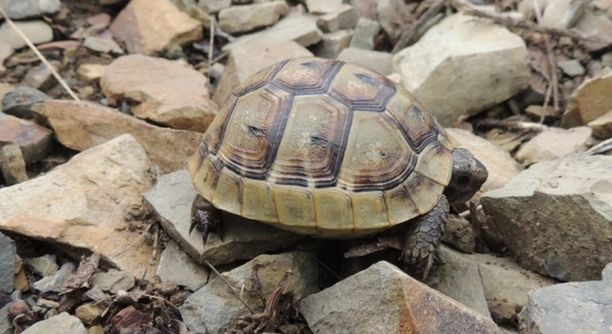
Russian tortoises are wonderful pets, known for their sturdy build and gentle nature. As with any pet, their health should be closely monitored, and one important factor to watch out for is weight. Overfeeding or lack of exercise can cause them to become overweight.
A Russian tortoise becomes overweight when it gains excess fat, which can negatively impact its overall health. To identify this, look for signs like a bloated appearance, difficulty moving, and an unbalanced body shape, which might indicate obesity.
Being aware of your tortoise’s health is crucial. This article will cover the signs to help you determine if your pet may be carrying a little too much weight.
Sign #1: Difficulty Moving or Walking
One of the first signs that your Russian tortoise may be overweight is when it starts to struggle with movement. A healthy tortoise is usually quite active, spending time exploring, foraging, and walking around. However, an overweight tortoise may move slower or avoid walking altogether. The extra weight can put pressure on their limbs, making it harder to move as freely. This could also affect their ability to climb or navigate obstacles they would normally tackle with ease. If you notice your tortoise is spending more time in one spot or is hesitant to explore, it may be struggling with its weight.
A lack of movement may be a sign that the extra weight is starting to affect your tortoise’s health. It’s important to pay attention to this change in behavior to prevent further issues.
Overweight tortoises are at a higher risk for joint problems, as the excess fat adds strain on their body. Their limbs and shell may not be as supported as they should be, leading to discomfort and even long-term damage. Additionally, a lack of movement can cause them to lose muscle tone, making it harder for them to regain their natural strength. To help your tortoise, monitor its activity level closely and ensure it gets the proper exercise and a balanced diet.
Sign #2: Rounded or Bulging Shell
A noticeable sign that your Russian tortoise might be overweight is a rounded or bulging shell. While it is natural for their shells to have a slight curve, an overweight tortoise will show signs of extra weight. If you notice the top of their shell (carapace) appears much rounder than usual, this may indicate the accumulation of fat. Overweight tortoises often have difficulty maintaining their balance, and the excess weight can distort their shell’s shape.
An overly rounded shell often points to an imbalance in diet and exercise. This can be corrected by adjusting their food intake and ensuring they get regular exercise.
When a tortoise is overweight, its shell may not develop properly. The shape of their shell should remain mostly flat or slightly curved, with no extreme bulges. This change in shell shape can cause discomfort and impact their overall mobility. You should ensure your tortoise receives a proper diet with limited fatty foods and is active enough to help it shed the extra weight. A healthy tortoise will have a firm, well-shaped shell, which is an important indicator of their overall well-being.
Sign #3: Increased Appetite
If your Russian tortoise seems to have an increased appetite, it might be a sign of being overweight. Overfeeding is a common cause of obesity, and sometimes it happens because they are given too many high-calorie foods. You might notice them asking for food more often, even after they’ve been fed. It’s important to regulate their diet and avoid overfeeding them. A balanced diet with the right proportions of vegetables, fruits, and proteins is essential.
Overfeeding can lead to significant weight gain, as tortoises store extra fat when they eat too much. A healthy tortoise should be offered food in moderation. It’s also crucial to ensure that they’re eating the right kinds of food. Too many treats or high-fat foods can easily tip the scale.
To prevent your tortoise from becoming overweight, consider adjusting their feeding schedule. Offer fresh greens, but limit fruit or fatty foods. This helps maintain a healthy weight and avoids future health complications. If you’re unsure about their daily portion sizes, it’s best to consult with a veterinarian for tailored advice.
Sign #4: Breathing Issues
If your tortoise starts to show signs of labored or heavier breathing, it could be due to excess weight putting pressure on their lungs. This can make it harder for them to take in oxygen efficiently, especially if they are carrying a significant amount of fat. Respiratory distress in tortoises is a serious sign of health issues.
Excess weight places strain on their internal organs, including the lungs, making it more difficult for your tortoise to breathe comfortably. You might notice them puffing or gasping for air more often. This issue can worsen over time if the extra weight is not addressed.
Addressing the weight gain early can help improve your tortoise’s breathing. Make sure your tortoise is getting enough exercise, like walking and basking under the proper conditions, to promote better lung function. A healthy tortoise should breathe easily, without any signs of distress. If breathing problems persist, it is important to get them checked by a vet immediately.
Sign #5: Difficulty Lifting Their Body
A tortoise struggling to lift its body off the ground can be a sign of weight gain. Overweight tortoises often have trouble supporting their own weight, especially when trying to move or climb. This can cause them to remain in a sedentary position for longer periods.
This difficulty may also extend to their ability to get in and out of their hiding spots or onto their basking areas. They may even avoid certain activities, like digging, due to the effort required to lift their bodies. It’s important to keep an eye on any changes in their mobility.
Sign #6: Flabby or Soft Belly
A soft or flabby belly can be another clear indication that your Russian tortoise is carrying too much weight. When their belly feels soft or droopy, it’s a sign that they’ve accumulated excess fat. This can cause discomfort and mobility issues.
Over time, this could lead to additional health concerns, such as skin irritation or even difficulty walking. Keeping track of their belly shape and firmness is essential to maintaining their health.
Sign #7: Reduced Appetite for Exercise
If your tortoise shows less interest in physical activity, it might be because they are too heavy. An overweight tortoise may feel sluggish and uninterested in moving around, which can further exacerbate their weight problem. Without regular exercise, the cycle continues.
Exercise is a key part of their overall health. Without it, they may experience muscle weakness, and their joints could become stiffer. Regular movement helps keep their weight in check and improves their overall well-being.
FAQ
What should I do if my Russian tortoise is overweight?
If you notice that your Russian tortoise is overweight, the first step is to reduce its calorie intake. Offer them more leafy greens and fewer high-fat foods like fruits and commercial pellets. Make sure they have access to fresh water at all times, and create a schedule that allows them to exercise regularly. You should also provide different environments for them to explore, like safe outdoor areas or new spaces in their enclosure. A combination of a healthy diet and physical activity will help your tortoise shed the extra weight. If the weight problem persists, consult a veterinarian for guidance.
How much should I feed my Russian tortoise?
The amount you should feed your Russian tortoise depends on its age and size. Generally, an adult Russian tortoise should be fed approximately 80-90% vegetables, with the remainder consisting of small portions of fruits, protein, and occasional treats. Younger tortoises may require more frequent feedings, but you should avoid overfeeding them. Keep their food intake in check by offering only as much as they can eat in 15-30 minutes. Overfeeding can lead to obesity and health issues, so it’s crucial to monitor their food portion sizes closely.
How can I tell if my tortoise is eating too much?
If your tortoise is constantly asking for food or seems eager to eat after being fed, it might be eating too much. They may show signs of being overweight, such as a bloated appearance or difficulty moving around. If they are overfed, they might also begin to refuse their usual food or act lethargic. It’s important to stick to a regular feeding schedule and avoid feeding them large portions all at once. Providing a consistent, balanced diet can help prevent overeating and keep your tortoise healthy.
Can an overweight tortoise lose weight?
Yes, an overweight Russian tortoise can lose weight with the right diet and exercise. Reducing their food intake and making sure they have opportunities for physical activity, like walking and exploring, will help them shed the extra pounds. It’s important not to drastically cut their food intake, as this can lead to malnutrition. Instead, focus on a balanced diet with appropriate portions and encourage regular exercise. If your tortoise’s weight doesn’t decrease with these changes, you should seek veterinary advice.
What type of exercise does my tortoise need?
Russian tortoises are naturally active animals, and they need regular exercise to maintain a healthy weight. Provide them with space to roam and explore within their enclosure, or even a secure outdoor area for supervised exercise. Tortoises are good at walking, so letting them wander freely helps keep them physically active. You can also add objects to their enclosure, such as ramps or logs, to encourage climbing. These small exercises will help them maintain muscle tone, improve flexibility, and burn off the calories they consume.
Is it normal for my tortoise to become less active with age?
As your Russian tortoise ages, it’s normal for them to become less active. However, a significant decrease in activity could indicate a health issue, such as obesity. If your tortoise is overweight, this can lead to lethargy and difficulty moving around. Ensure your tortoise still gets some exercise every day, even if it’s less than when they were younger. Providing enrichment in their environment, such as varied terrain, hiding places, and opportunities to forage, can also help encourage activity as they age.
What are some signs of obesity in a Russian tortoise?
Obesity in Russian tortoises can be identified by a rounded or bulging shell, a soft or flabby belly, difficulty moving, and an overall sluggish appearance. If you notice that your tortoise has become less active, has trouble climbing or walking, or appears out of shape, it may be overweight. These signs can worsen if left unaddressed, and your tortoise could develop long-term health problems such as joint issues or respiratory complications. Keep an eye out for these warning signs, and take action before the obesity becomes severe.
How long does it take for a tortoise to lose weight?
The time it takes for a tortoise to lose weight depends on how severe the obesity is and how quickly changes are made to its diet and activity level. Typically, it may take a few weeks to a few months for noticeable weight loss to occur. Gradual changes are important to prevent stress on your tortoise’s body. Be patient and consistent with reducing food intake and increasing physical activity. If your tortoise isn’t losing weight or seems to be struggling, it’s best to consult a vet for a tailored weight loss plan.
Can I feed my Russian tortoise treats?
While it’s okay to give your Russian tortoise treats occasionally, they should never make up a large portion of their diet. Fruits, such as strawberries or apples, are common treats but should only be given in moderation due to their high sugar content. Commercial tortoise treats should also be given sparingly, as they often contain added sugars and fats. Instead, focus on offering them a variety of fresh vegetables, grasses, and weeds, which are more nutritious and appropriate for their diet. Treats should be seen as something special, not a regular part of their meals.
How can I prevent my tortoise from becoming overweight?
To prevent your Russian tortoise from becoming overweight, make sure you provide a well-balanced diet and maintain an appropriate feeding schedule. Offer more vegetables than fruits and limit fatty foods. Keep track of portion sizes, and ensure your tortoise gets enough exercise by giving them space to explore. Additionally, avoid leaving food in their enclosure for long periods, as this can encourage overeating. Regularly monitor their weight and activity levels to catch any signs of weight gain early.
Final Thoughts
Maintaining a healthy weight for your Russian tortoise is crucial for its overall well-being. Just like any pet, they need the right balance of food, exercise, and care to stay in good health. Overweight tortoises can experience a variety of issues, including difficulty moving, breathing problems, and even joint issues. By keeping track of their weight and adjusting their diet and exercise routine when necessary, you can help prevent these problems and ensure a long, healthy life for your tortoise.
It’s important to remember that weight management isn’t about drastic changes or extreme diets. Gradual adjustments, such as offering the right portions of food and providing more opportunities for exercise, can make a big difference. A well-balanced diet, rich in vegetables and low in high-calorie treats, combined with regular movement, will help your tortoise stay fit and active. A good environment for exploration and foraging also plays a big role in encouraging them to stay active, which is essential for their health.
If you’re unsure about how much to feed your tortoise or how to adjust its routine, it’s always a good idea to consult with a vet. They can help create a tailored plan to meet your tortoise’s specific needs, especially if weight-related issues have already become a concern. By being proactive about your tortoise’s diet and exercise, you can help ensure that they remain happy and healthy for many years to come.

Hello,
If you enjoy the content that we create, please consider saying a "Thank You!" by leaving a tip.
Every little bit helps us continue crafting quality advice that supports the health, happiness, and well-being of pets around the world, for pets of all shapes, sizes, and species.
We really appreciate the kindness and support that you show us!