
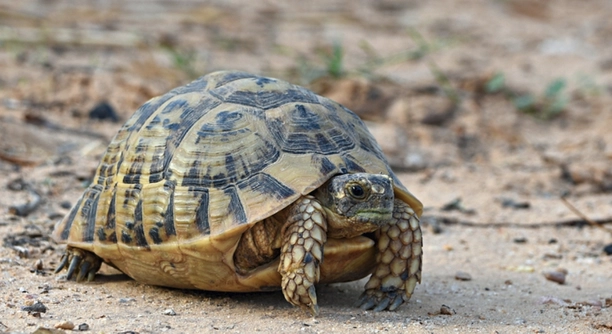
Feeding time is an essential part of caring for your Russian tortoise. It can be both a bonding experience and a chance for your pet to enjoy a healthy, varied diet. Knowing how to make this time enjoyable is important.
Making feeding time enjoyable for your Russian tortoise involves offering a variety of fresh vegetables, providing consistent feeding times, ensuring a calm environment, and using appropriate feeding tools. This promotes positive associations with mealtime and enhances overall well-being.
By following a few simple steps, you can create a feeding routine that benefits both you and your tortoise.
Offering a Variety of Fresh Vegetables
Variety is key when feeding a Russian tortoise. They thrive on a diet filled with different types of leafy greens and vegetables, ensuring that they receive a well-rounded nutritional intake. Common choices include collard greens, dandelion greens, and clover, but you can also offer them squash, carrots, and bell peppers. It’s important to rotate the vegetables to avoid monotony and prevent your tortoise from becoming picky. Fresh vegetables should be washed thoroughly to remove pesticides and dirt. Keeping a consistent rotation helps prevent deficiencies and keeps mealtime interesting for your pet.
The variety of vegetables also helps mimic their natural diet in the wild, which is filled with different plants, flowers, and grasses.
A mixture of high-fiber vegetables will also support digestion and overall health. Be mindful of offering too much fruit, as it can cause digestive problems. A balanced diet not only nourishes your tortoise but also adds excitement to feeding time. Ensure all food is fresh and cut into manageable pieces, making it easy for your tortoise to enjoy.
Establishing Consistent Feeding Times
Having a set feeding schedule can greatly benefit your Russian tortoise. Routine helps regulate their digestive system and creates a sense of stability.
Sticking to a feeding schedule ensures your tortoise knows when to expect food, reducing stress and promoting a calm environment. It also helps in monitoring their eating habits.
Creating a Calm Feeding Environment
A calm environment can make feeding time more enjoyable for your Russian tortoise. Minimize noise and disturbances to allow them to focus on eating. A quiet setting promotes a stress-free experience, which is essential for their overall well-being. This also helps them associate feeding time with positive feelings.
Consider placing your tortoise in a familiar spot where they feel safe and secure. This reduces anxiety and encourages them to eat. Avoid sudden movements or loud noises during mealtime, as these can startle your tortoise, making them hesitant to eat.
Over time, a calm atmosphere becomes part of their feeding routine. Your tortoise will learn to associate this peaceful environment with enjoyable meals. This approach fosters a sense of safety, making feeding time something they look forward to.
Using Appropriate Feeding Tools
Feeding tools can make mealtime easier for both you and your tortoise. Shallow dishes work well for Russian tortoises, as they can easily access the food without struggling.
The use of a feeding dish helps keep the food contained and prevents messes. Be sure to use a dish that’s the right size—too large can be overwhelming, while too small can be frustrating. Opt for a shallow, sturdy bowl that doesn’t tip over easily. It’s also best to use non-toxic materials for the dish to avoid any health risks.
A good feeding setup enhances the experience and helps maintain a clean, organized area. This small step makes a big difference in creating an enjoyable mealtime for your tortoise.
Offering Food at the Right Temperature
It’s important to offer your Russian tortoise food at the right temperature. Foods that are too cold can be difficult for them to digest, leading to discomfort.
Warm vegetables or greens are more inviting and easier for them to eat. It also mimics the natural warmth they would encounter in their environment.
Encouraging Natural Foraging
Russian tortoises are natural foragers, so encouraging this behavior during feeding time makes the experience more enjoyable. You can scatter food around their enclosure or hide it in different areas.
This taps into their natural instincts, keeping them engaged and active during mealtime. Foraging also promotes exercise, which is beneficial for their overall health.
FAQ
What vegetables are best for a Russian tortoise?
Russian tortoises enjoy a variety of vegetables, especially leafy greens like collard greens, dandelion greens, and mustard greens. You can also offer them vegetables like bell peppers, zucchini, and squash. Be sure to avoid high-oxalate foods like spinach and kale, as they can interfere with calcium absorption. Variety is key to ensuring your tortoise gets a balanced diet.
How often should I feed my Russian tortoise?
Russian tortoises typically need to be fed every day, but younger tortoises may require more frequent meals to support their growth. Adults can be fed once a day or every other day, depending on their activity level and health. Always ensure they have fresh food available, and monitor their weight to avoid overfeeding.
Can I give my Russian tortoise fruit?
Fruits should be given to your Russian tortoise in moderation. While they enjoy fruits like strawberries, watermelon, and cantaloupe, these should not make up more than 10-15% of their diet. Too much fruit can cause digestive issues due to the high sugar content.
Should I feed my Russian tortoise in a specific spot?
Yes, it’s best to feed your Russian tortoise in a designated area to help them associate that space with mealtime. This makes the experience more predictable and less stressful. A shallow dish or a small, clean area can work well for this purpose.
How do I encourage my tortoise to eat?
If your tortoise is being picky, try offering a variety of vegetables and herbs to see what they prefer. Make sure the food is fresh and appropriately sized for their eating habits. You can also try soaking their food in warm water to make it more enticing. Ensuring your tortoise feels safe and calm will also help them enjoy their meals.
Can I feed my tortoise seeds or nuts?
Seeds and nuts are not recommended for Russian tortoises. These foods are high in fat and may lead to health problems, such as obesity or digestive issues. Stick to fresh, fibrous greens and vegetables for a well-balanced diet.
How do I know if my Russian tortoise is eating enough?
Monitor your tortoise’s weight regularly. If they are losing weight or appear lethargic, they may not be eating enough. Conversely, if they are gaining excessive weight, you might be overfeeding them. Consistent eating habits and maintaining a healthy weight are good indicators that they’re eating appropriately.
Is it okay to feed my tortoise the same food every day?
While it’s okay to feed your Russian tortoise the same types of food each day, it’s important to vary the specific vegetables you offer. This ensures they get a wide range of nutrients. Rotate the vegetables to avoid deficiencies and to keep them interested in their meals.
Should I wash the vegetables before feeding them to my tortoise?
Yes, you should always wash the vegetables thoroughly before feeding them to your tortoise. This helps remove dirt, pesticides, and any harmful chemicals that could negatively affect their health. Clean food ensures they are getting the best nutrition without any added contaminants.
Can my tortoise eat wild plants?
Yes, Russian tortoises can eat certain wild plants, but you must be very careful. Only feed them plants that are safe and non-toxic. Avoid plants that have been exposed to pesticides or chemicals. Some safe wild plants include dandelions, clover, and plantain, but always research before offering anything from the wild.
What should I do if my tortoise refuses to eat?
If your tortoise refuses to eat, check the temperature and humidity of their environment to make sure they’re comfortable. Stress, illness, or an improper habitat can cause a lack of appetite. Try offering different foods or soaking their greens in water to increase their interest. If the issue persists, consult a vet.
Can I feed my Russian tortoise leafy greens from my garden?
Yes, you can feed your Russian tortoise leafy greens from your garden, but make sure they are free from pesticides and chemicals. It’s best to grow organic vegetables for your tortoise or to thoroughly wash any produce before feeding it to them. Check the plants for any signs of illness or pests.
How much should I feed my Russian tortoise?
The amount of food you should give depends on the size and age of your tortoise. For adults, a good rule of thumb is to offer enough food to fill their shell. For younger tortoises, offer more frequent meals, keeping their diet varied and well-balanced. Always remove any uneaten food to prevent spoilage.
Can I feed my tortoise commercial pellets?
Commercial pellets can be offered as a supplement to your Russian tortoise’s diet, but they should not be the main part of their meals. Pellets lack the variety and fiber of fresh vegetables and can lead to nutritional imbalances if used excessively. Always prioritize fresh, natural foods over pellets.
Is it okay for my tortoise to eat flowers?
Russian tortoises can eat certain flowers, including dandelions, hibiscus, and pansies. Be sure to avoid flowers that are not safe for consumption, as some can be toxic. Stick to organic, pesticide-free flowers, and introduce them in moderation. This provides a fun and healthy variation to their diet.
How do I store food for my tortoise?
Store fresh vegetables in the fridge, ideally in a vegetable drawer or a sealed container to keep them crisp. It’s also a good idea to wash and cut the food before storing it, making it easy to prepare meals. Do not store food in areas where it can get contaminated or wilt quickly.
Can I feed my tortoise mushrooms?
No, it’s best not to feed mushrooms to your Russian tortoise. Mushrooms can be difficult for them to digest and may contain toxins that are harmful. Stick to safer food options like leafy greens, flowers, and vegetables to maintain a healthy diet.
Final Thoughts
Feeding your Russian tortoise can be an enjoyable and rewarding experience with the right approach. By offering a variety of fresh vegetables, encouraging natural behaviors like foraging, and providing the right food temperature, you can ensure your tortoise remains healthy and engaged. It’s important to remember that their diet should be well-balanced and free from foods that could harm their digestive system. With proper care, you’ll create a positive feeding environment that both you and your tortoise will appreciate.
Another key to a successful feeding routine is maintaining a comfortable and safe environment for your tortoise. Ensure their habitat is at the correct temperature and humidity levels to support digestion and overall well-being. A consistent feeding schedule will help your tortoise feel secure and less stressed during mealtime. Observing your tortoise’s eating habits and adjusting their diet when needed will ensure they stay happy and healthy for years to come.
Lastly, be mindful of portion control. Overfeeding or underfeeding your tortoise can lead to health issues. Monitoring their weight and making small adjustments to their food intake is important to keep them at an ideal weight. Avoid offering foods that could cause obesity or digestive problems, and always provide fresh water for hydration. By following these simple guidelines, you can make feeding time an enjoyable and beneficial experience for both you and your Russian tortoise.

Hello,
If you enjoy the content that we create, please consider saying a "Thank You!" by leaving a tip.
Every little bit helps us continue crafting quality advice that supports the health, happiness, and well-being of pets around the world, for pets of all shapes, sizes, and species.
We really appreciate the kindness and support that you show us!