
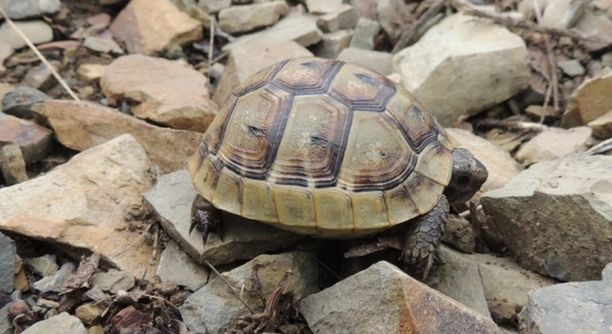
Russian tortoises make wonderful pets, known for their calm nature and long lifespans. However, like all animals, they can face health issues that require attention. Recognizing the signs of distress early can make a big difference.
If your Russian tortoise is showing unusual behavior, it’s important to assess its health. Symptoms such as lethargy, lack of appetite, or abnormal movements might indicate distress and should not be ignored. Timely intervention is crucial.
Understanding these warning signs can help you provide the right care for your tortoise. It’s important to monitor their habits and act quickly to ensure their well-being.
Lack of Appetite
If your Russian tortoise stops eating or shows little interest in food, it could be a sign of distress. Tortoises rely on regular feeding to stay healthy, and a sudden loss of appetite may indicate an underlying issue. This could be caused by factors such as improper temperature, stress, or illness. It’s important to pay attention to any changes in their eating habits and act quickly. If this behavior persists for more than a day, it’s best to consult with a vet.
Even small changes in diet or routine can stress a tortoise out. Ensure the habitat is at the right temperature and humidity, as this plays a big role in their digestion. Stress from sudden changes or a move to a new environment can also cause a loss of appetite. Sometimes, it could simply be a sign that the tortoise is not feeling well. Always monitor closely and take action if things don’t improve.
If your tortoise is refusing food for more than a day, consider checking their environment. Make sure they have a comfortable, quiet space with proper lighting and temperature. This can often solve the issue, but a vet check may be necessary if the situation doesn’t improve.
Lethargy and Unusual Behavior
A lack of energy or noticeable change in behavior can be concerning. Russian tortoises are normally quite active, and if they begin to sleep excessively or move very little, this could point to an issue.
Lethargy can stem from a variety of causes such as dehydration, a poor diet, or environmental stressors like temperature fluctuations. It’s essential to address these factors as soon as possible. Sometimes, a simple change in their habitat or diet can resolve the issue.
If the lethargy continues for more than a few days, it’s important to seek professional help. Prolonged inactivity could be a sign of illness, like a respiratory infection or internal parasites. A vet can run tests to help determine if there’s a deeper problem, such as metabolic bone disease or a fungal infection. Regularly observing your tortoise’s behavior and acting early is key to avoiding serious health issues.
Changes in Shell Appearance
If you notice any changes in your tortoise’s shell, like discoloration, softness, or unusual growths, it may indicate a health issue. The shell is a critical part of their health and can show signs of internal problems.
Discoloration of the shell could signal poor diet or a bacterial infection. Softness in the shell might point to a lack of calcium, often due to improper lighting or a poor diet. If you see these signs, it’s important to address the underlying cause quickly. A healthy shell should be hard, smooth, and free of any odd bumps or marks. Keep track of their diet and ensure they get the proper nutrients, especially calcium, and UVB light.
If the shell shows signs of damage or infection, contact a veterinarian. Shell problems can lead to serious health issues and should never be ignored. Make sure your tortoise’s habitat is ideal for proper shell care, with the right UVB lighting and calcium intake.
Difficulty Moving or Walking
If your Russian tortoise is having trouble moving or walking, this could be a sign of distress. Difficulty moving can be caused by injury, arthritis, or other health conditions.
Injuries to the legs or feet can cause lameness or difficulty in movement. If you notice limping or a lack of coordination, it’s important to check for any obvious wounds or swelling. Sometimes, poor substrate or an uncomfortable environment can also make it hard for your tortoise to move around comfortably. Make sure the area where your tortoise roams is safe and free of obstacles that might cause injury. Properly adjusting their living environment could help with this issue.
Arthritis is common in older tortoises and may also cause trouble moving. If there is no visible injury, and your tortoise is showing signs of stiffness, a vet can offer solutions for managing arthritis. Always keep their environment clean and safe, and ensure they have a soft, even surface to walk on.
Labored Breathing
If your tortoise is breathing heavily or seems to be struggling for air, it’s a serious sign of distress. Labored breathing can be caused by a respiratory infection or other underlying issues.
Respiratory infections are common in reptiles and can be triggered by improper humidity, temperature, or exposure to drafts. If you notice wheezing, open-mouth breathing, or discharge from the nose, it’s important to act quickly. Respiratory infections can worsen if left untreated. Maintaining the right temperature and humidity levels in your tortoise’s habitat is key to preventing these issues.
Not Basking Properly
When a Russian tortoise is not basking properly, it may indicate that something is wrong. Basking is essential for their digestion and overall health.
If your tortoise isn’t basking as usual, it could be a sign that the temperature isn’t right or the lighting is insufficient. Ensure they have access to a warm spot and that the UVB light is functional. Without proper basking, your tortoise may become weak, dehydrated, or malnourished. Keep their environment stable and observe their behavior to detect any changes early.
Abnormal Pooping
Changes in your tortoise’s stool can be a warning sign of distress. Any noticeable shift in size, color, or frequency could signal an issue with their health.
Consistency is key when it comes to tortoise waste. If your tortoise is having runny stools, or if they are not pooping at all, there might be a digestive problem or a parasitic infection. An improper diet, stress, or even dehydration can cause these changes. If the abnormal pooping continues for a few days, it’s important to consult a vet for a thorough check-up.
FAQ
How can I tell if my Russian tortoise is dehydrated?
Dehydration is a common problem among tortoises, and it’s important to spot the signs early. A dehydrated tortoise may have dry, flaky skin, or its eyes may appear sunken. You may also notice that it’s not eating or moving as much. If your tortoise’s skin is not retracting when you gently pinch it, that’s another sign. It’s crucial to provide fresh water and make sure the environment’s humidity is at the right level. Soaking your tortoise in shallow water for 20 minutes a few times a week can help with hydration. If these measures don’t improve the situation, a vet visit is recommended.
What should I do if my tortoise is not eating?
If your tortoise refuses food, first check the environment. Ensure the temperature is correct, as a cold environment can cause a tortoise to stop eating. Also, check the humidity levels and make sure the lighting is proper, especially UVB light, as this plays a role in digestion. Stress from a change in environment, new surroundings, or an inappropriate diet can also affect appetite. Try offering different foods or soaking the food in water. If the lack of eating continues for more than a few days, a visit to the vet is necessary to rule out any health issues like parasites or infections.
Why is my Russian tortoise not moving much?
Tortoises are generally active, but if your Russian tortoise is spending more time in one spot or moving less, it could be a sign of stress or an underlying health issue. Start by reviewing their habitat: is the temperature and humidity correct? Are there obstacles or hazards that could cause discomfort? A lack of movement might also be a symptom of a calcium deficiency, especially if they are not basking properly. If the behavior continues for more than a few days, it’s important to have your tortoise checked by a veterinarian to rule out infections, metabolic bone disease, or other health problems.
What is the proper diet for a Russian tortoise?
A proper diet for a Russian tortoise includes a variety of leafy greens, grasses, and a small amount of vegetables. Common greens to offer include dandelion greens, collard greens, mustard greens, and kale. It’s important to avoid high-oxalate foods, like spinach, which can interfere with calcium absorption. Also, fruits should be given sparingly due to their high sugar content. Make sure to provide a calcium supplement, especially if your tortoise is not getting enough from its diet. A small amount of protein may also be given occasionally. Lastly, always make sure fresh water is available for drinking and soaking.
How can I tell if my tortoise is sick?
There are several signs that may indicate your tortoise is unwell. A sudden change in behavior, like a lack of appetite or excessive lethargy, can be a red flag. If your tortoise is breathing heavily, has discharge from the eyes or nose, or if the shell appears soft or discolored, this may also be signs of illness. Diarrhea, abnormal pooping, or difficulty moving can point to digestive issues or infections. It’s important to monitor their behavior closely and if any of these symptoms appear, take your tortoise to the vet as soon as possible. Early intervention can make a big difference.
How often should I clean my Russian tortoise’s habitat?
A Russian tortoise’s habitat should be cleaned regularly to maintain a healthy environment. Spot cleaning should be done daily, removing uneaten food and waste. Every week, you should thoroughly clean the enclosure by washing down surfaces and changing the bedding or substrate. If you use a water dish, be sure to clean and refill it regularly. The enclosure should be disinfected about once a month to prevent the buildup of bacteria or mold. A clean habitat not only helps prevent disease but also ensures your tortoise feels comfortable and secure in its environment.
Can my tortoise live outdoors?
Yes, Russian tortoises can live outdoors, provided that the climate is suitable and the enclosure is secure. If you live in a mild climate, your tortoise can enjoy time outside in a safe, enclosed yard. Make sure there’s no risk of predators, and provide shade, shelter, and access to fresh water. The outdoor environment should be free of toxic plants and chemicals, such as pesticides. During the colder months, they should be brought inside to prevent them from becoming too cold, as they are not adapted to freezing temperatures. Outdoor living should only be considered if you can offer a secure, controlled environment.
Why is my tortoise’s shell soft?
A soft shell is a serious concern and usually indicates a calcium deficiency, often caused by improper diet or lack of proper UVB lighting. Calcium is essential for a tortoise’s shell health, and without it, the shell can become soft and fragile. Ensure that your tortoise is getting a balanced diet with adequate calcium, and that it is exposed to UVB light for proper calcium absorption. If the shell is still soft after correcting these issues, a vet visit is necessary for a proper diagnosis and treatment.
How do I handle my tortoise safely?
Handling your Russian tortoise should be done with care, as they are sensitive to stress. Always handle your tortoise gently, supporting its body fully, especially its legs and shell. Never lift a tortoise by its tail or head. If you’re letting your tortoise roam outside of its enclosure, make sure the environment is safe, and supervise closely. Avoid handling your tortoise too frequently, as it can be stressful for them. When picking up your tortoise, ensure your hands are clean to avoid introducing bacteria to their shell or skin.
Can I breed my Russian tortoises?
Breeding Russian tortoises can be done, but it requires a lot of preparation and knowledge. First, make sure both tortoises are healthy and of the proper age. The habitat should be spacious enough to accommodate both, and there should be a nesting area for the female. Mating typically happens during the spring or early summer, and females will require a secure place to lay their eggs. It’s important to ensure the female is in good health before breeding, as laying eggs can be physically demanding. If you plan on breeding, be ready for the responsibility of caring for the hatchlings once they’re born.
Taking care of a Russian tortoise requires attention to detail and a commitment to ensuring their well-being. These tortoises are relatively low-maintenance, but like all pets, they can encounter health issues that need prompt attention. By recognizing the warning signs early, you can help prevent more serious problems down the line. Understanding your tortoise’s behavior and keeping a close eye on any changes is the first step to keeping them healthy and happy. Routine checks on their diet, environment, and overall behavior will go a long way in providing the care they need.
If you notice any of the signs mentioned in this article, such as changes in eating habits, behavior, or shell condition, don’t hesitate to take action. Adjustments to their environment, such as proper lighting, temperature, and humidity, can make a big difference in their health. If things don’t improve, consulting with a veterinarian who specializes in reptiles is a good option. Early intervention can often make a huge difference in treatment and recovery, so don’t wait too long to seek professional advice when necessary.
Overall, keeping a Russian tortoise healthy involves creating a stable, comfortable environment and being observant about their daily habits. Regularly assessing their condition, ensuring they get the proper nutrition, and addressing any health concerns promptly will help ensure your tortoise lives a long and healthy life. These small reptiles make great pets, but it’s up to you to give them the care and attention they need to thrive.

Hello,
If you enjoy the content that we create, please consider saying a "Thank You!" by leaving a tip.
Every little bit helps us continue crafting quality advice that supports the health, happiness, and well-being of pets around the world, for pets of all shapes, sizes, and species.
We really appreciate the kindness and support that you show us!