
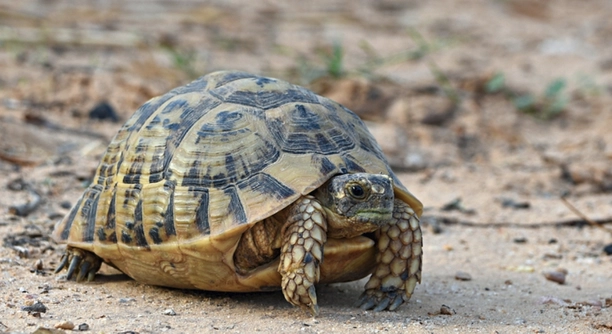
Choosing the right hiding spots for your Russian tortoise is essential for its comfort and health. Proper hiding areas provide a sense of security and help reduce stress, contributing to a happier and healthier tortoise.
To choose the best hiding spots for a Russian tortoise, focus on areas that mimic their natural habitat. Offer dark, enclosed spaces with some ventilation, and place them near their food or water source. Ensure the spots are safe and easy to clean.
Understanding how hiding spots affect your tortoise’s well-being is important. The right hide can support their natural behaviors, offering security and reducing anxiety. Keep reading to learn about the different factors that influence this decision.
Why Hiding Spots Are Important for Your Russian Tortoise
A hiding spot is more than just a place for your Russian tortoise to retreat. In the wild, tortoises seek out dark, secure areas to feel safe and avoid predators. Without a proper hiding space, your tortoise may feel stressed, leading to health issues. Stress can affect their eating habits, sleeping patterns, and even make them more prone to illness. It’s important to remember that tortoises are solitary animals, and they need a space where they can relax without interruptions. A well-chosen hiding spot offers comfort and encourages natural behaviors, contributing to a well-adjusted pet. Ensuring your tortoise has access to a safe and quiet area is crucial for their overall well-being.
A good hiding spot encourages your tortoise to stay active and healthy. It also helps them rest when needed, supporting their natural instincts and behavior.
Russian tortoises need privacy, especially after eating or during sleep. Choosing a spot that meets these needs will make a big difference in their behavior. They tend to be more active when they feel secure and less stressed. It’s not just about giving them somewhere to hide, but about creating an environment that supports their natural rhythm. By offering a hiding space that mimics the burrows they would use in the wild, you provide them with the mental peace they need. This kind of stability is crucial for their long-term health.
Where to Place the Hiding Spot
The location of the hiding spot matters just as much as the hide itself. Your Russian tortoise needs a quiet area with low traffic where they won’t be disturbed. It’s best to place the hide in a spot where the temperature stays consistent, neither too hot nor too cold. A place that is too bright or exposed may make your tortoise feel vulnerable, while areas that are too dark could make them feel trapped. Ideally, the hide should be close to food and water sources, so your tortoise can access everything easily. A good rule of thumb is to place the hiding spot near the center of their enclosure, but not in direct sunlight. You also want to ensure that the area is clean and dry to maintain a healthy environment. Keeping this space safe and quiet is key to creating a stress-free home for your tortoise.
The location should also be easily accessible to your tortoise, giving them a safe, easy route to reach it.
When choosing the best location for the hide, avoid placing it near areas that are frequently disturbed, such as where you might place their food or in spots with high traffic. A spot that is too close to the edges of the enclosure can also feel unsafe for your tortoise. It’s important to create an environment where they feel comfortable exploring but also have a sanctuary to retreat to when needed. Try positioning the hide in a corner, away from harsh lighting, and ensure there’s a clear path for your tortoise to find it without obstacles. Proper placement will make sure your pet can hide and stay safe, which supports their natural instincts and keeps them healthy.
Types of Hiding Spots for Your Russian Tortoise
There are several options when it comes to selecting a hiding spot for your Russian tortoise. Some prefer caves, while others may enjoy a simple tunnel or a closed space. It’s important to match the hide to their personality and size.
You can find various commercial hides made from materials like ceramic, plastic, or wood. Ceramic hides tend to maintain a more consistent temperature, which can be beneficial in both warm and cooler climates. Plastic hides are often easy to clean but may not offer the same comfort or temperature regulation. Wooden hides, while natural, can absorb moisture and require more maintenance to keep them dry and clean. Choosing the right material depends on your tortoise’s specific needs, like humidity and temperature.
A natural hide like a rock or a small wooden box can mimic the burrows your tortoise might use in the wild. Tortoises enjoy enclosed spaces that give them a sense of security. You can even create a hide by stacking rocks or using a cardboard box as a temporary solution. These options give your tortoise the privacy it needs to feel comfortable.
Temperature Considerations for Hiding Spots
Temperature is a critical factor in selecting a hide for your tortoise. A space that’s too hot or too cold can lead to stress and health problems. It’s essential to provide a hiding spot that offers some shade and warmth, but not extreme temperatures.
Ensure the hiding spot is located in a part of the enclosure that avoids direct heat sources. Russian tortoises need a warm environment but can easily overheat if exposed to direct sunlight for too long. The ideal temperature should range from 75°F to 85°F in their hiding space, offering them a comfortable retreat where they can regulate their body heat. If the temperature is too low, your tortoise may not feel safe or comfortable resting.
Some hides come with built-in heating pads, allowing you to control the temperature more easily. If you use heating pads, make sure they don’t get too hot, and place them on one side of the hide to create a temperature gradient. This helps your tortoise choose a spot that feels comfortable for them based on their needs. Keep an eye on the temperature to avoid extremes.
Size and Shape of the Hide
The size of the hiding spot should be large enough for your tortoise to fit comfortably inside. However, it shouldn’t be too big, as this can make them feel exposed and less secure. The right size will allow them to move freely but still feel cozy.
Russian tortoises prefer hides that fit snugly around their body, offering a sense of security. A hide that’s too spacious may leave them feeling vulnerable. It should be just large enough to allow your tortoise to turn around or nest comfortably. The shape also matters – it should be enclosed and low to the ground.
Cleaning and Maintenance
A clean hiding spot is essential for your tortoise’s health. Mold, mildew, or waste can build up quickly in humid or dirty environments, leading to health issues. It’s best to choose materials that are easy to clean and maintain.
Plastic and ceramic hides are typically easier to clean than wooden ones. Wooden hides require more attention to prevent moisture buildup, which could lead to rot or bacteria. Cleaning your tortoise’s hide regularly is vital. You can wipe down plastic or ceramic hides with mild soap and water, ensuring they are completely dry before putting them back in the enclosure.
Hiding Spot Accessibility
Your Russian tortoise’s hiding spot should be easy for them to access but not so obvious that it feels exposed. Make sure there are no barriers preventing them from getting to their hide when they need it.
FAQ
How many hiding spots does my Russian tortoise need?
Your Russian tortoise needs at least one good hiding spot, but offering more can provide extra comfort. Multiple hides give your tortoise options depending on where they feel safest at the time. Having different hides allows them to choose the most suitable place based on their mood and activity. If you have a larger enclosure, you can place a hide in different areas to create more opportunities for your tortoise to feel secure. However, don’t overcrowd the space with too many hides, as it may confuse them or make the enclosure feel too cramped.
Can I use a plastic hide for my tortoise?
Yes, plastic hides can be used for your Russian tortoise. They are easy to clean, lightweight, and durable. However, some tortoises may not feel as comfortable in plastic hides as they would in natural materials like wood or ceramic. If you choose a plastic hide, make sure it is sturdy enough to provide a secure, stable retreat. Additionally, ensure the plastic doesn’t get too hot in direct sunlight, as it can cause your tortoise stress. Some plastic hides come with a more natural look, which might help your tortoise feel more comfortable.
What is the best material for a tortoise hiding spot?
The best material depends on your tortoise’s preferences and your ability to maintain it. Ceramic and stone hides are great for temperature control, helping maintain a comfortable environment for your tortoise. Wood offers a more natural feel but requires careful cleaning to prevent moisture buildup. Plastic hides are easy to clean and maintain but might not offer the same natural feel as other materials. Ultimately, choose a hide material that balances ease of cleaning with comfort for your tortoise.
Can I make a hiding spot at home?
Yes, you can easily create a hiding spot for your Russian tortoise at home using simple materials. For example, a cardboard box can make a temporary hide. You can also use rocks, logs, or ceramic bowls to create a secure hide. Just be sure to make the space dark, dry, and large enough for your tortoise to move around comfortably. If you build your own hide, ensure there are no sharp edges or potential hazards inside. The goal is to mimic a natural, safe environment where your tortoise can retreat when needed.
Should I use a heat source near the hiding spot?
If you live in a cooler climate or if your enclosure doesn’t maintain a consistent temperature, it can be helpful to place a heat source near the hiding spot. However, avoid direct contact with a heat source like heat lamps or pads, as this could make the area too warm. Instead, create a temperature gradient in the enclosure so your tortoise can regulate its body temperature by moving between warmer and cooler areas. Ensure the hiding spot is warm but not overly hot, aiming for a temperature range between 75°F and 85°F.
Can I use a hide with a door or entrance?
A hide with a door or entrance can be fine as long as it provides your tortoise with easy access and feels secure. Some tortoises may prefer a more open entrance, while others might feel more comfortable in a completely enclosed hide. If you choose a hide with a door or a hinged entrance, make sure it opens easily and doesn’t create any sharp edges or obstacles. Avoid forcing your tortoise into a hide that feels restrictive or uncomfortable. The goal is to create a hide that allows them to retreat and relax.
How often should I clean my tortoise’s hiding spot?
Cleaning the hiding spot is important to maintain your tortoise’s health. You should clean the hide at least once a week or more frequently if you notice waste or moisture buildup. Make sure to remove any food remnants, dirt, or waste to keep the area hygienic. For ceramic and plastic hides, you can wipe them down with mild soap and water, rinsing thoroughly afterward. Wooden hides require more care to prevent mold or rot. You may want to occasionally disinfect the hide using a reptile-safe cleaner or a diluted bleach solution, but ensure it is fully dry before returning it to the enclosure.
Is it necessary to provide a hiding spot during the day?
Yes, it is necessary to provide a hiding spot at all times. Even during the day, Russian tortoises may want a place to retreat from light, noise, or potential disturbances. A hide offers them a safe, quiet space where they can rest or sleep undisturbed. This is especially important if your tortoise is shy or easily stressed. Ensure the hide is always available, as your tortoise will likely need it during both day and night. Tortoises are naturally inclined to seek shelter when they feel insecure, so the hide is crucial to their overall well-being.
How big should the hiding spot be?
The hiding spot should be just large enough for your tortoise to move around comfortably but not so large that it feels exposed. Russian tortoises typically prefer snug, secure spaces that mimic their natural burrows. They should be able to turn around inside the hide and perhaps even dig a little if they feel the need. Too much space can leave them feeling vulnerable, and too little may make them feel cramped. When choosing or creating a hide, aim for a size that allows for both comfort and security.
Final Thoughts
When selecting the best hiding spot for your Russian tortoise, it’s important to keep their natural instincts in mind. Tortoises feel safest when they have a space to retreat to that is both secure and comfortable. A proper hiding spot can help reduce stress, allowing your tortoise to relax, sleep, and feel secure in their environment. When choosing a hide, consider factors like size, material, location, and temperature. Ensuring that your tortoise has a safe, clean, and quiet place to hide will contribute to their overall well-being and happiness.
Remember that the hiding spot should be accessible and provide some privacy for your tortoise. Avoid placing it in areas where they may feel exposed or in constant view of others. It’s also important to clean the hide regularly, as bacteria or waste can build up quickly, especially in warmer, more humid environments. A clean hide helps maintain your tortoise’s health and ensures they have a pleasant space to rest. You may want to experiment with different hides to see which one your tortoise prefers, as some might favor one material over another.
Ultimately, the key is to create a habitat that supports your tortoise’s natural behaviors and needs. By providing the right hiding spot, you’ll help reduce their stress and make them feel secure in their environment. Just as important as their food and water needs, a proper hiding place is essential for a happy and healthy Russian tortoise. Whether you choose a commercial hide or make one yourself, ensuring that your tortoise has a place to retreat to will contribute to their overall comfort and health.

Hello,
If you enjoy the content that we create, please consider saying a "Thank You!" by leaving a tip.
Every little bit helps us continue crafting quality advice that supports the health, happiness, and well-being of pets around the world, for pets of all shapes, sizes, and species.
We really appreciate the kindness and support that you show us!