
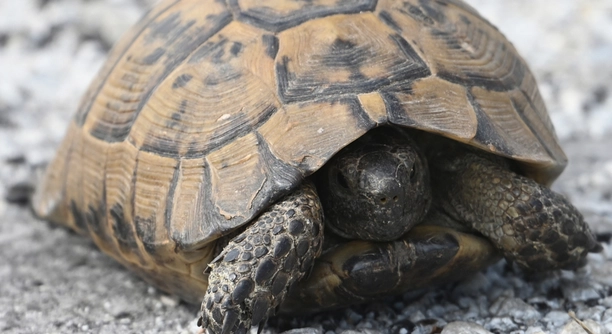
Russian tortoises are fascinating pets, but like any animal, they can experience health issues. Recognizing these ailments early can help ensure your pet stays happy and healthy. Natural remedies can often help treat minor conditions safely.
There are several natural remedies for common ailments in Russian tortoises, including proper diet adjustments, herbal treatments, and environmental changes. These remedies aim to ease symptoms, promote healing, and maintain overall health without the need for harsh chemicals.
Simple steps, such as adjusting their diet and offering proper humidity, can help prevent common health problems. Understanding these remedies is key to keeping your tortoise healthy and thriving in its environment.
1. Keep Their Diet Balanced
A balanced diet is crucial for Russian tortoises to stay healthy. They need a variety of leafy greens, grasses, and vegetables to meet their nutritional needs. You can feed them dandelion greens, kale, and parsley while avoiding foods high in oxalates or too much fruit, as these can cause digestive issues. It’s also important to provide a calcium source like cuttlebone, which supports their shell health. A diverse diet helps keep their immune system strong, which can prevent common health problems such as respiratory infections or soft shells.
To avoid potential issues, make sure your tortoise has access to fresh, pesticide-free foods. Also, keep their food clean and free of mold.
Pay attention to their water intake as well. Offering fresh water daily will keep them hydrated, aiding digestion and helping prevent urinary tract problems, which are common in reptiles.
2. Adjust the Environment for Comfort
Russian tortoises thrive in specific environmental conditions, so it’s important to set up their habitat right. Ensure they have access to a warm, dry area with a proper heat source. Their enclosure should have a temperature range of 75 to 85°F (24 to 29°C) during the day and a cooler zone at night.
Humidity levels should also be managed carefully. Too much moisture can cause skin issues or shell rot, while too little can lead to dehydration. Providing a dry, basking area with a proper heat lamp allows them to regulate their body temperature naturally.
Tortoises also need space to roam, so a larger enclosure will support their health and mental well-being. Regularly cleaning their habitat prevents the build-up of bacteria, reducing the risk of infections. Make sure they have access to natural sunlight if possible, as this will help them synthesize vitamin D3, essential for strong bones and shell growth.
3. Treat Respiratory Issues Naturally
Respiratory problems in Russian tortoises often show up as wheezing or difficulty breathing. One of the best ways to manage this is by keeping their environment dry and warm. Avoid damp areas that could foster bacterial growth. Adding a gentle heat source can help ease breathing by maintaining a stable temperature.
Inhaling steam from a humidifier or offering a warm, slightly misted environment may help your tortoise feel better. A warm soak in shallow water can also loosen any mucus. Ensure your tortoise is eating well and drinking plenty of water, as dehydration can worsen respiratory issues.
If the symptoms persist, consider using herbal remedies like thyme or echinacea. These herbs have natural anti-inflammatory and immune-boosting properties. However, always consult a vet before starting any herbal treatments, as not all herbs are safe for tortoises.
4. Manage Shell Rot with Natural Remedies
Shell rot is a common issue for Russian tortoises, often caused by excess moisture or bacterial infection. To prevent this, make sure their habitat stays dry and clean. Regularly check their shell for any signs of redness or soft spots.
If you notice the early signs of shell rot, a natural solution is to apply a diluted iodine solution or aloe vera gel directly to the affected area. These natural antiseptics can promote healing without harsh chemicals. Aloe vera can soothe the skin while iodine disinfects and prevents further infection.
A dry, warm environment is crucial for recovery. If your tortoise has shell rot, it’s important to limit their exposure to water and ensure their habitat is thoroughly cleaned. Consult your vet for proper treatment and always monitor the progress closely.
5. Treating Parasites Naturally
Parasites are a common issue in tortoises, and they can lead to weight loss or lethargy. Regularly check for signs of parasitic infections such as visible worms or abnormal droppings. Natural treatments like pumpkin seeds can help fight intestinal worms.
Adding pumpkin seeds to your tortoise’s diet can help expel internal parasites. You can grind them up and mix them into their food. Additionally, a gentle herbal approach using garlic (in very small amounts) has been known to help with parasite removal. Always monitor your tortoise’s health to ensure the treatment is working.
A clean environment is essential in preventing re-infestation. Make sure to regularly disinfect your tortoise’s habitat, remove any uneaten food, and replace bedding frequently. If symptoms persist, it’s best to consult a vet.
6. Preventing Dehydration
Dehydration can easily occur if your tortoise doesn’t drink enough water or if the humidity is too low. Always offer fresh water daily, and soak your tortoise in shallow, warm water a few times a week to keep them hydrated.
Proper hydration supports digestion and helps prevent kidney problems. Dehydration often leads to lethargy or constipation. Keep your tortoise hydrated by providing a consistent water source and increasing humidity in their habitat if necessary. A warm soak will also encourage them to drink.
7. Relieving Constipation
Constipation is a common issue for Russian tortoises, especially if they are not eating enough fiber. A simple remedy is to provide more leafy greens and fibrous vegetables like collard greens, dandelion leaves, and hibiscus flowers.
Soaking your tortoise in warm water for 20-30 minutes can also help with constipation. The warmth encourages movement in the digestive tract and softens the stool. If the constipation persists, you can gently massage the abdominal area to encourage bowel movement.
FAQ
What are the signs of a healthy Russian tortoise?
A healthy Russian tortoise should have clear, bright eyes, and its shell should be firm, clean, and smooth. The skin should be free of lesions or discoloration. They should be active, curious, and eat a variety of leafy greens and vegetables. If your tortoise is eating, drinking, and moving around regularly, it’s usually a sign of good health.
How do I know if my tortoise is stressed?
Stress in Russian tortoises can show up in several ways. They may refuse to eat, become unusually lethargic, or start pacing in their enclosure. Stress can also cause them to hide more often or be more aggressive. Changes in their environment, such as temperature shifts or improper humidity, can contribute to stress. Make sure their habitat is consistent, clean, and free of any disturbances.
How do I handle my tortoise’s shedding?
Shedding is natural for tortoises, but it should not cause excessive concern unless it is abnormal. You might notice their skin flaking or peeling, which is normal. However, if they are shedding excessively or the skin looks infected, it could be a sign of a health issue. Keep their habitat at the right humidity and provide a soaking area to help them shed naturally.
How often should I bathe my Russian tortoise?
It’s good practice to soak your tortoise in shallow, warm water about once or twice a week. This helps with hydration, digestion, and keeping their skin healthy. However, avoid soaking them too often, as prolonged exposure to moisture can cause shell rot or respiratory issues. Always ensure the water is shallow enough for them to stand comfortably without drowning.
Can I use over-the-counter medications for my tortoise?
It’s always best to avoid using over-the-counter medications unless directed by a vet. While some medications may seem harmless, they could have side effects that affect your tortoise’s health. Always consult a vet for proper diagnosis and treatment, particularly when it comes to serious ailments. Natural remedies can often help, but they should be used with caution.
What’s the best way to clean my tortoise’s shell?
To clean your tortoise’s shell, use a soft brush, such as a toothbrush, and gently scrub away any dirt or debris. Avoid using harsh chemicals, as they could irritate the shell. For stubborn dirt, you can soak the tortoise in shallow, warm water to soften the debris before cleaning. Regular shell cleaning prevents bacteria buildup and helps maintain their overall health.
How can I treat my tortoise’s shell injuries naturally?
For minor shell injuries, you can clean the affected area with a mild antiseptic, such as diluted iodine or hydrogen peroxide. Applying aloe vera gel can help soothe the skin and speed up the healing process. It’s important to keep the injury clean and dry to prevent infection. If the injury is severe or deep, seek professional veterinary care as soon as possible.
Is it safe to keep a Russian tortoise with other pets?
Russian tortoises are generally solitary and may become stressed or injured if kept with other pets. It’s best to house them separately from other animals, particularly those that are active or larger. If you choose to let them interact with other pets, supervise them closely. Avoid placing them with more aggressive species or those that may view them as prey.
How can I tell if my tortoise is overweight?
A tortoise may be overweight if its shell looks overly rounded or if it is struggling to move around comfortably. Overweight tortoises may have difficulty walking or even become lethargic. A healthy tortoise should have a relatively flat or slightly domed shell, and its legs should be strong and able to support its body. If you’re concerned, adjust their diet and increase their exercise through opportunities to roam.
Can I give my tortoise fruit?
While tortoises can eat fruit occasionally, it should not be a large part of their diet. Fruits are high in sugars, which can lead to digestive problems or obesity. Stick to leafy greens and vegetables as the main source of nutrition, and offer fruit like strawberries or melon in small amounts. Always remove any uneaten fruit after a few hours to prevent spoilage.
What should I do if my tortoise isn’t eating?
If your tortoise refuses food for more than a couple of days, it could be due to stress, an environmental change, or a health problem. Check the temperature and humidity levels in their enclosure to ensure they are within the correct range. Try offering fresh food, and observe if they are interested in any particular items. If the lack of appetite persists, contact a vet to rule out any health issues.
How can I prevent my tortoise from getting parasites?
To prevent parasites, keep your tortoise’s enclosure clean and disinfected regularly. Avoid feeding them wild-caught plants, as these could contain parasites. Always wash your hands after handling your tortoise, and consider getting them checked for parasites during regular vet visits. Quarantine any new tortoises you bring into your home to avoid introducing parasites.
What’s the best type of bedding for my Russian tortoise?
For bedding, use materials that are easy to clean and absorb moisture, such as organic soil, coconut fiber, or sand. Avoid using wood chips, as they can mold or cause respiratory issues. The bedding should be deep enough for burrowing and provide a natural environment for your tortoise. Clean the bedding regularly to prevent bacteria buildup.
How do I prevent shell rot in my tortoise?
Preventing shell rot starts with maintaining a dry, clean, and well-ventilated environment for your tortoise. Avoid excessive humidity or wet conditions, which can lead to fungal infections. Regularly check the shell for signs of damage or soft spots. If you see any, take action quickly to address the issue with natural remedies or consult a vet if necessary.
Taking care of a Russian tortoise involves paying attention to their diet, environment, and overall well-being. With the right balance of greens, a safe and clean living space, and proper hydration, your tortoise can thrive. Natural remedies are helpful for treating minor issues, but it’s important to know when professional care is needed. Small actions like soaking your tortoise or offering the right types of food can make a big difference in their health. It’s all about being observant and proactive.
The key to a happy and healthy tortoise lies in consistency. Regularly check on their environment, ensuring the temperature and humidity are suitable for them. Keep their habitat clean and free of pests or mold. Over time, you’ll learn what works best for your pet and what makes them most comfortable. If issues arise, don’t hesitate to seek help from a veterinarian, especially for more serious problems. Sometimes, it’s about trial and error to find what works best.
By offering a mix of proper care, natural remedies, and routine vet check-ups, you’ll give your Russian tortoise the best chance at a long and healthy life. They can be low-maintenance pets when their basic needs are met, but they also require attention to avoid common health issues. With patience and care, you’ll be able to enjoy your tortoise’s company for many years.

Hello,
If you enjoy the content that we create, please consider saying a "Thank You!" by leaving a tip.
Every little bit helps us continue crafting quality advice that supports the health, happiness, and well-being of pets around the world, for pets of all shapes, sizes, and species.
We really appreciate the kindness and support that you show us!