
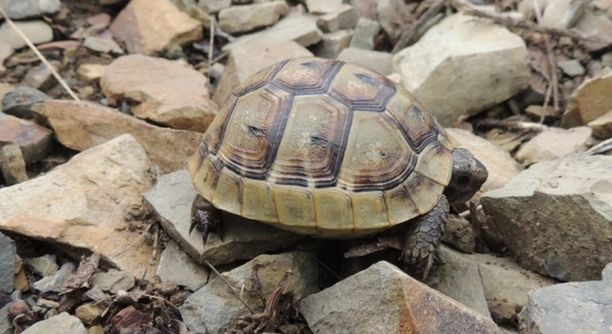
Your Russian tortoise might seem frustrated when it repeatedly runs into walls, but there’s more to it than meets the eye. Understanding this behavior can help improve your pet’s environment and overall well-being.
The main reason your Russian tortoise runs into walls is a lack of proper environmental stimulation. Tortoises are highly active animals, and they may display repetitive behaviors when their habitat is too small, lacks hiding spaces, or is too plain.
Creating a stimulating habitat with more space and enrichment will help address this issue. It’s important to provide your tortoise with a suitable environment for physical and mental health.
Understanding Your Russian Tortoise’s Environment
Your Russian tortoise’s natural habitat consists of wide, open spaces where it can roam freely. If it’s confined to a small area with limited stimulation, it might run into walls out of frustration or curiosity. This is a sign that its environment doesn’t offer enough variety. Tortoises need more than just food and water to thrive. Enrichment is key to their well-being, and a simple habitat upgrade can go a long way.
Small enclosures can limit the tortoise’s movement, causing it to become restless. The lack of obstacles and hiding places can make it feel unsafe or bored. If your tortoise feels trapped or doesn’t have places to explore, it might begin pacing or running into walls. It’s important to give them room to roam and hide.
Improving the space by adding plants, rocks, or other natural elements can mimic their natural environment and reduce stress. This not only provides mental stimulation but also encourages natural behaviors such as burrowing and climbing. Make sure the habitat is large enough to support these activities.
Signs Your Tortoise is Stressed
Stress is another common cause of this behavior. If your Russian tortoise is running into walls, it could be stressed by environmental factors like temperature, lighting, or noise. A sudden change in these conditions can cause your pet to act out.
By ensuring a stable, quiet, and comfortable habitat, you can help reduce stress. Temperature and humidity must be monitored carefully. Too much heat or cold can cause discomfort. Moreover, consistent lighting is essential for regulating its day-night cycle.
Space and Enrichment Needs
Tortoises need more space to explore and engage. A small, sparse enclosure can lead to repetitive behaviors like running into walls. Make sure your tortoise has ample space to roam around. The more room, the better it can express natural instincts and behaviors.
Adding climbing structures and hiding spots can significantly reduce stress. Consider including items like logs, rocks, or tunnels. This not only provides physical stimulation but also makes the environment feel safer. Your tortoise will appreciate the opportunity to hide or climb, which mirrors its natural habitat.
A variety of surfaces in the enclosure will encourage movement. Soft soil, smooth rocks, and grassy areas allow your tortoise to exercise and explore without becoming bored. A lack of options leads to frustration, so aim to create a more dynamic environment to meet its physical and mental needs.
Temperature and Lighting Conditions
Proper temperature and lighting are crucial for your tortoise’s health and behavior. If the enclosure is too hot or too cold, your pet might act out. Consistent heat and light should be maintained to avoid discomfort. It’s essential to replicate the natural day-night cycle.
The basking area should reach 90-100°F, while the cooler side of the enclosure can be kept around 70°F. Lighting should mimic natural sunlight, with UVB bulbs to help your tortoise absorb calcium. Inadequate lighting or improper temperatures can contribute to stress and poor health.
Proper Diet and Hydration
A balanced diet is essential for your tortoise’s overall well-being. A lack of proper nutrition can lead to lethargy and strange behaviors, including running into walls. Ensure it has access to fresh vegetables, leafy greens, and appropriate amounts of calcium.
Water should also be consistently available. Dehydration can cause your tortoise to become sluggish or agitated. A shallow dish with fresh water is best for regular hydration, helping to keep it active and comfortable. Avoid leaving the water stagnant or dirty, as this can lead to health issues.
Observation and Behavior Monitoring
It’s important to observe your tortoise’s behavior closely. Running into walls could be a sign of stress, boredom, or discomfort. Regularly check the environment for any changes that could be affecting your pet. Watch for signs of physical injury as well.
If you notice persistent issues, consider adjusting the habitat and monitoring the tortoise for any other signs of distress. A stressed tortoise may show other signs such as decreased activity, refusal to eat, or erratic movement. Understanding its behavior will guide you in creating a more suitable environment.
Medical Concerns
Sometimes, running into walls may be linked to medical issues, such as eye problems or neurological concerns. If the behavior persists despite environmental adjustments, a visit to a veterinarian is necessary. A thorough check-up can rule out any underlying health problems.
FAQ
Why is my Russian tortoise running into walls all the time?
Your tortoise may be running into walls due to frustration or boredom. Tortoises are active creatures that need space to roam and explore. If the enclosure is too small or lacks enriching elements, such as rocks, plants, or hiding spots, your pet might start running into barriers. Consider enlarging the space and adding climbing structures or tunnels to give your tortoise something to engage with.
Can my tortoise hurt itself by running into walls?
Yes, there’s a risk of injury if your tortoise repeatedly crashes into walls or hard objects. It could lead to bruising or stress fractures, especially if it’s a constant behavior. If you notice your tortoise acting in this way, it’s important to assess the enclosure and reduce the risk by adding soft surfaces or more hiding places to make the space feel safer.
How do I know if my tortoise is stressed or just being active?
While tortoises are naturally active, stress usually shows through repeated, frantic behaviors like running into walls. Signs of stress can include unusual pacing, not eating, or excessive hiding. If your tortoise is constantly trying to escape or displays erratic behavior, stress is likely. Monitor the environment and check for any factors that could be causing discomfort.
What are the best types of substrates for a Russian tortoise?
The substrate should allow your tortoise to burrow and move freely while also absorbing moisture. Good options include coconut coir, cypress mulch, or a mixture of sand and soil. Avoid using pine or cedar shavings, as they can be harmful to your tortoise. The substrate should be deep enough for burrowing, which helps provide mental stimulation.
Is my tortoise running into walls a sign that it’s sick?
Running into walls can sometimes be linked to health issues, such as eye problems, neurological disorders, or dehydration. If the behavior persists even after making adjustments to its environment, a vet check-up is necessary. Look for other signs of illness, like a lack of appetite, lethargy, or abnormal movement patterns.
How often should I change my tortoise’s water?
Water should be changed daily. Stale or dirty water can lead to health problems and make your tortoise less inclined to drink. Make sure to clean the water dish thoroughly to remove any debris or algae. Fresh, clean water encourages hydration, which is essential for your tortoise’s well-being.
Can my tortoise live outside year-round?
In some climates, it’s possible for your Russian tortoise to live outside year-round, provided it has proper shelter, temperature control, and protection from predators. However, in colder climates, a heated indoor enclosure is necessary. If the temperature drops below 50°F, your tortoise should be brought inside to ensure its safety and health.
Why is my tortoise not eating?
Loss of appetite can indicate stress, illness, or environmental issues. Make sure the temperature and lighting are appropriate, as these factors affect your tortoise’s digestion. Also, check that the food provided is fresh and nutritious. If the problem persists, a vet visit is recommended to rule out any underlying health problems.
What is the best way to handle a Russian tortoise?
Tortoises are generally not very fond of being picked up frequently. When you do handle your tortoise, support its body gently with both hands, avoiding grabbing its limbs. Be calm and slow to prevent causing stress. Allow your tortoise to explore its environment on its own terms rather than forcing interactions.
How can I tell if my tortoise is too hot or too cold?
If your tortoise is too hot, it may become lethargic, seek cool areas, or show signs of heat stress, such as rapid breathing. If it’s too cold, your tortoise may become inactive and refuse to eat. Make sure to maintain a temperature gradient in the enclosure, allowing your tortoise to regulate its body temperature naturally.
What should I do if my tortoise is constantly flipping over?
If your tortoise is flipping over, it could indicate that it’s in an enclosure with sharp corners or obstacles that it cannot navigate properly. Ensure that the habitat is free of any items that could trap or cause injury. Regularly monitor your tortoise and make sure the environment is safe and spacious enough for easy movement.
Do Russian tortoises need UVB light?
Yes, UVB lighting is essential for your Russian tortoise. It helps them metabolize calcium and maintain strong bones. Without proper UVB exposure, your tortoise could develop metabolic bone disease. Make sure the UVB bulb is placed at the correct distance from your tortoise and is replaced every 6-12 months, as its effectiveness diminishes over time.
What is the best type of food for a Russian tortoise?
Russian tortoises thrive on a diet of leafy greens, grasses, and vegetables. Offer a variety of foods such as dandelion greens, collard greens, and endive. Avoid high-oxalate vegetables like spinach, as they can interfere with calcium absorption. Occasional fruits can be offered as a treat, but they should not be a staple of their diet.
Final Thoughts
Understanding why your Russian tortoise keeps running into walls is an important step in ensuring its health and well-being. This behavior often stems from environmental factors, stress, boredom, or physical discomfort. Providing an enriched environment with ample space, hiding places, and stimulation can help reduce this behavior. When your tortoise has more opportunities to explore and engage, it may stop feeling the need to run into walls. Additionally, ensuring the habitat is free from hazards, such as sharp objects, will help minimize the risk of injury.
Health problems, such as eye issues or neurological conditions, can also be at the root of this behavior. If your tortoise’s running into walls is persistent and doesn’t improve with environmental changes, it’s essential to consider a vet visit. A thorough check-up can rule out any underlying medical conditions that might be affecting your tortoise’s behavior. Illness or pain can cause a tortoise to behave erratically, so monitoring your pet closely and acting quickly when unusual behavior persists is crucial for its well-being.
In some cases, simple adjustments to the environment, such as improving lighting, humidity, or diet, may be enough to fix the issue. Regular observation and minor changes to its setup can lead to positive outcomes. Remember, tortoises are sensitive creatures that need both physical and mental stimulation to thrive. Keeping them in an environment where they feel secure, hydrated, and properly cared for is the key to preventing further problems. If the behavior continues despite efforts, seeking professional advice can ensure your pet is healthy and happy.

Hello,
If you enjoy the content that we create, please consider saying a "Thank You!" by leaving a tip.
Every little bit helps us continue crafting quality advice that supports the health, happiness, and well-being of pets around the world, for pets of all shapes, sizes, and species.
We really appreciate the kindness and support that you show us!