
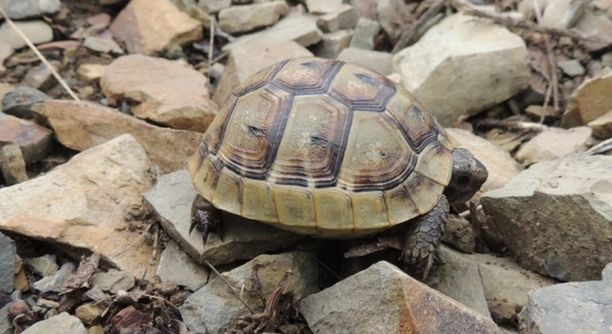
Stunted growth in a Russian Tortoise can be a concern for owners. It’s essential to recognize the signs early to ensure your pet’s health and well-being. Monitoring their development helps in identifying any issues.
Stunted growth in a Russian Tortoise is often caused by improper diet, inadequate UVB exposure, or environmental stress. A lack of these essential factors can lead to a slow or halted growth rate, impacting the tortoise’s overall health.
Recognizing these factors early can help you provide the proper care needed for your tortoise to grow healthy and strong.
Diet and Nutrition
A well-balanced diet is crucial for the growth of your Russian Tortoise. Without the right nutrients, it is difficult for them to grow properly. They need a variety of leafy greens, vegetables, and some fruits to stay healthy. Avoid feeding them high-protein foods, as this can lead to other health problems. It is important to offer a diet that mirrors their natural habitat to ensure they get the vitamins and minerals needed for healthy growth. Calcium and vitamin D are especially important to support their shell and bone development.
Make sure to offer food that is pesticide-free. Offering a mix of plants will also prevent them from becoming bored with their meals.
Sometimes, owners may unintentionally underfeed or overfeed their tortoises, which can contribute to growth issues. Pay attention to their weight and food intake, as both can impact their development. If they are not growing at the expected rate, it might be time to adjust their food plan.
UVB Lighting
Providing proper UVB lighting is essential for your tortoise’s health. Without UVB exposure, they can develop metabolic bone disease.
Proper UVB lighting should mimic sunlight. Make sure your tortoise’s enclosure is equipped with a UVB bulb that covers a good portion of the habitat. Place it at the right distance, as the light needs to penetrate through their shell to be effective. Not all bulbs provide the same intensity of light, so check the bulb’s specifications before purchasing.
Tortoises also need a regular cycle of light and dark. Exposure to a 12-hour light and 12-hour dark cycle helps them feel secure and supports their natural circadian rhythms. You’ll also want to ensure that your tortoise has access to natural sunlight when possible, as it provides a full spectrum of UV rays. Consistent lighting can prevent growth stunting and support overall well-being.
Temperature and Humidity
Maintaining the right temperature and humidity is key for your Russian Tortoise’s growth. Too high or too low can slow down their development. The ideal temperature for the enclosure is between 75°F and 85°F during the day, with a basking spot around 90°F.
In addition to temperature, humidity levels play an important role. Tortoises need moderate humidity—around 50% to 60%. Too much humidity can lead to respiratory issues, while too little can result in dehydration. Regularly monitor the humidity with a hygrometer and adjust it as needed to keep your tortoise comfortable.
A proper temperature gradient allows your tortoise to regulate its body heat. This is necessary for digestion and overall health. Make sure to provide warm and cooler areas in the enclosure, allowing them to move between these zones. The balance between heat and moisture affects growth, so be consistent with the conditions.
Stress and Environment
Stress can significantly impact your tortoise’s growth. Factors like overcrowding, loud noises, or an improperly sized enclosure can cause anxiety. Ensure that their environment is calm and spacious enough for them to move freely.
If the enclosure is too small or lacks hiding spots, your tortoise may feel threatened or unsafe. This constant stress can interfere with their natural growth patterns. It is important to observe their behavior closely. If they seem anxious or overly active without proper rest, there may be something wrong with their living conditions.
Creating a comfortable, quiet, and spacious environment will help minimize stress. Place their enclosure in a room with minimal foot traffic, and provide ample room to roam. Regularly check for signs of distress, such as erratic movements or refusal to eat, which may indicate environmental problems.
Health Problems
Health issues can also contribute to stunted growth. If your tortoise is ill, it may not grow at the expected rate. Common problems include respiratory infections, parasites, or malnutrition. Early detection is essential to address these concerns.
If you notice changes in their behavior, such as reduced eating or lack of activity, this could indicate a health issue. Seek veterinary advice if symptoms persist. A veterinarian can identify underlying issues and recommend appropriate treatments. Regular health checks ensure that your tortoise stays on track for proper growth.
Regular Monitoring
Regular monitoring is essential for tracking your tortoise’s growth. This includes weighing them regularly and measuring their shell length.
By keeping track of these measurements, you can spot growth discrepancies early on. Any sudden drop or stagnation in size should be addressed immediately to prevent long-term health problems.
Genetics
Genetics play a role in how quickly or slowly a tortoise grows. Some tortoises naturally grow at a slower pace due to their genetic makeup. While diet and environment are important, genetics cannot be changed.
However, it’s important to be aware of the breed’s typical growth patterns.
FAQ
How do I know if my Russian Tortoise is growing properly?
You can track your tortoise’s growth by regularly measuring its shell length and weight. If you notice a lack of growth or a significant decrease in size, it could be a sign of an underlying issue. Regular checks on diet, lighting, and temperature will also help ensure proper development.
Can stunted growth be fixed?
If your Russian Tortoise is experiencing stunted growth, it’s important to identify the cause first. Adjusting its diet, improving its habitat, and ensuring proper lighting can sometimes help. However, if the growth problem is due to genetics or a medical condition, it may require professional intervention to resolve.
What are the signs that my Russian Tortoise is not growing properly?
Signs of stunted growth include a lack of increase in size, a soft or abnormal shell, sluggishness, or changes in eating habits. If your tortoise seems lethargic or is not consuming food, it’s important to look into possible causes and make adjustments to its care routine.
How can I help my tortoise grow faster?
Ensure your tortoise has a balanced diet rich in calcium, vitamins, and appropriate amounts of fiber. Make sure it has access to proper UVB lighting, an ideal temperature range, and a spacious enclosure. Avoid overfeeding, as excessive food can lead to other health problems.
What temperature should my tortoise’s enclosure be?
The temperature in your Russian Tortoise’s enclosure should range between 75°F and 85°F during the day. A basking spot should be around 90°F, allowing your tortoise to regulate its body temperature. Night temperatures can drop to around 70°F, but avoid letting it go too cold.
How much food should I give my tortoise?
A Russian Tortoise should be fed a variety of leafy greens, vegetables, and some fruit. A general guideline is to provide enough food to cover the shell’s surface area. Make sure they have access to fresh water at all times. Be cautious with fruits, as too much can lead to digestive issues.
How often should I feed my Russian Tortoise?
You should feed your Russian Tortoise daily, offering fresh vegetables and leafy greens. It’s best to offer food in the morning so your tortoise has enough time to digest. Reduce the frequency of feeding during colder months if your tortoise’s activity level decreases.
Can my Russian Tortoise live in a small enclosure?
A small enclosure can stunt growth, as your tortoise needs room to roam, explore, and exercise. Ideally, the enclosure should be large enough for them to move around comfortably, with both warm and cool areas. Overcrowding and insufficient space can lead to stress and growth issues.
Do Russian Tortoises need UVB lighting?
Yes, UVB lighting is crucial for your Russian Tortoise. Without proper UVB exposure, they cannot produce the necessary vitamin D3 to absorb calcium, which is vital for their bone health and overall growth. Make sure to provide UVB lighting for 10-12 hours daily.
What humidity levels are best for my Russian Tortoise?
Russian Tortoises need moderate humidity levels, around 50% to 60%. Too much humidity can lead to respiratory issues, while too little can cause dehydration. Use a hygrometer to monitor the humidity, and make adjustments as needed to ensure your tortoise stays healthy.
How can I prevent my tortoise from getting sick?
Preventing illness in your Russian Tortoise involves providing a clean habitat, maintaining proper lighting, temperature, and humidity levels, and offering a well-balanced diet. Regular health checks are also important. Avoid exposing your tortoise to extreme temperatures and overcrowded conditions that can increase stress.
What should I do if my tortoise stops eating?
If your tortoise stops eating, first check its environment. Ensure the temperature and lighting are optimal, as poor conditions can cause a loss of appetite. If there are no environmental issues, monitor for signs of illness such as lethargy or respiratory problems. If the problem persists, consult a veterinarian.
How can I help my Russian Tortoise feel more comfortable in its enclosure?
Make sure the enclosure is spacious and provides hiding spots for your tortoise to feel secure. Include a basking area with proper lighting and a cooler zone for temperature regulation. The environment should be calm and free from excessive noise and stress factors. Regular cleaning also helps maintain a comfortable space.
Are Russian Tortoises social animals?
Russian Tortoises are solitary creatures and do not require social interaction. They can become stressed when housed with other tortoises or animals. It’s best to keep them alone to avoid territorial issues or aggression. However, regular interaction with you can help build trust and comfort.
What should I do if my tortoise has a soft shell?
A soft shell could be a sign of calcium deficiency or improper lighting. Ensure your tortoise has access to proper UVB lighting and a diet rich in calcium. If the issue persists, consult a veterinarian to rule out any underlying health conditions.
How fast do Russian Tortoises grow?
Russian Tortoises typically grow slowly. In the first year, they may grow around 3-4 inches in length. After the first year, their growth rate decreases, and it may take several years to reach full adult size. Growth can be influenced by diet, lighting, temperature, and health.
Do Russian Tortoises need a bath?
Yes, a bath can help keep your Russian Tortoise hydrated and assist with digestion. Gently place your tortoise in lukewarm water for about 15-20 minutes a few times a week. Make sure the water level is not too deep, and always supervise the bath to prevent drowning.
What are the common health issues Russian Tortoises face?
Common health problems include respiratory infections, shell rot, and metabolic bone disease. These issues often stem from inadequate diet, poor lighting, or improper temperature. Regular veterinary check-ups and maintaining optimal care conditions can help prevent most health problems.
Final Thoughts
Monitoring your Russian Tortoise’s growth is crucial to ensuring its overall health and well-being. By observing its size and behavior regularly, you can spot any signs of stunted growth early. A balanced diet, proper lighting, and the right temperature all play important roles in fostering healthy growth. If you notice any changes in your tortoise’s eating habits, activity levels, or shell condition, it’s essential to address them immediately. Providing a clean and spacious enclosure can also significantly impact its growth and comfort.
It’s also important to remember that some growth issues might stem from genetic factors, which are out of your control. However, ensuring that your tortoise receives proper care can help minimize the effects of these factors. If you notice your tortoise isn’t growing at a healthy pace despite the right environment, a visit to a veterinarian may be necessary. Health issues, such as respiratory infections or metabolic bone disease, can contribute to stunted growth and need prompt attention. Regular check-ups can ensure that your tortoise is on track for a healthy life.
While it may take several years for your Russian Tortoise to reach full adult size, it’s essential to stay patient and consistent in its care. Growth rates vary between individual tortoises, but by maintaining proper conditions and being aware of any changes, you can ensure your tortoise leads a healthy and happy life. Keep in mind that prevention is always better than treatment, and by creating a suitable environment from the start, you can avoid many common health issues. Ultimately, a healthy Russian Tortoise will grow at its own pace with the right support.

Hello,
If you enjoy the content that we create, please consider saying a "Thank You!" by leaving a tip.
Every little bit helps us continue crafting quality advice that supports the health, happiness, and well-being of pets around the world, for pets of all shapes, sizes, and species.
We really appreciate the kindness and support that you show us!